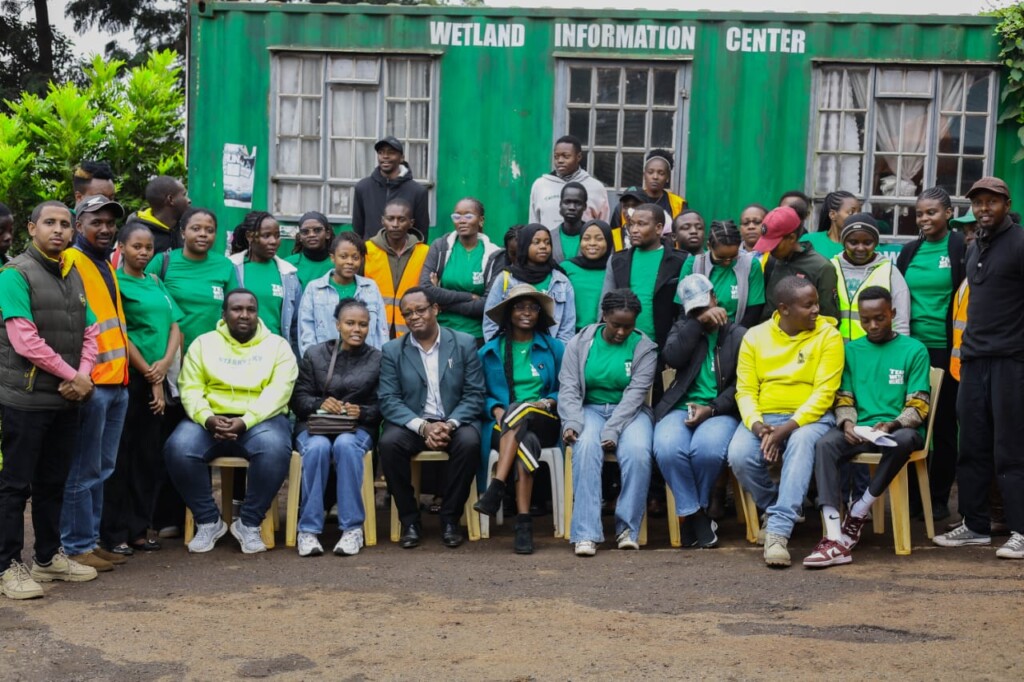
Youth-led promising project supported by ALBATROSS: Wetlands4Wellness
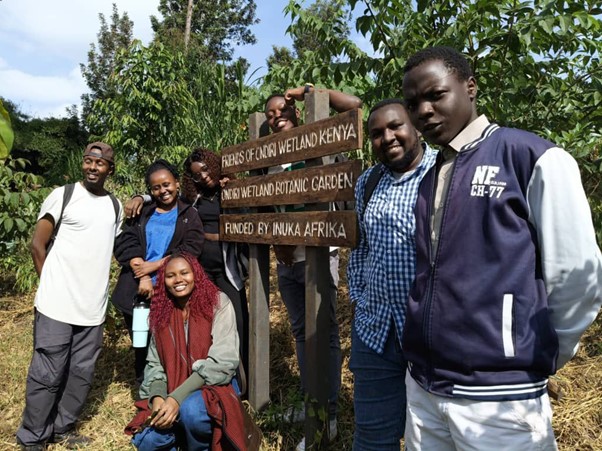
After proving the success of the pilot project developed and resulting winners of the silver prize in the SDG Olympiad in Geneva, the group of four students from Egerton University and the United States International University–Africa behind the Wetlands4Wellness project looks forward to expanding its impact and ensuring long-term sustainability. The team plans to scale up the model to other wetlands across Kenya and eventually to other parts of Africa.
Wetlands4Wellness is a multidisciplinary, community-driven initiative that integrates nature-based solutions and indigenous knowledge to restore Ondiri Wetland, in Kiambu County (Kenya), which had been degraded and destroyed by urbanisation, pollution and lack of awareness, affecting domestic use and health, increasing flooding in nearby settlements due to the loss of natural buffers, and declining its biodiversity.
The main goals of Wetlands4Wellness are to restore the Ondiri Wetland through the restoration of riparian buffers, planting of indigenous tree species, and introduction of agroforestry practices to improve soil fertility, water retention, and food security. They also documented and revitalised traditional conservation practices such as seasonal grazing bans, sacred tree protection, and cultural rituals, therefore integrating community knowledge into the solutions implemented. The project offers multiple interconnected benefits for both people and the environment, from ecosystem restoration to flood-risk reduction and water security, along with the preservation of cultural identity.
This initiative was initially conceptualised and implemented during the SDG Summer School in Kenya under the mentorship of the ALBATROSS partners at the University of Nairobi. During the development of the project, they were able to prove the success of their pilot. Thanks to funds received from the DiceTheLifeCoach organisation, they conducted a community-based workshop, in which 50 participants were trained, including schools and CBOs. Now, they are taking steps to establish agreements with other organisations and different-level policymakers in Kenya, with the objective of creating a long-term framework to upscale this project and replicate it in other wetlands in the country.