Policy Briefs and Synthesis Reports

This first series of policy briefs developed under the ALBATROSS Horizon Europe project, synthesises findings from a multi-level policy analysis of more than 250 national and sub-national policy documents, as well as regional and transboundary frameworks, across five Sub-Saharan African countries: Ghana, Kenya, Madagascar, South Africa, and Tanzania.

The analysis assessed the level of integration of Sustainable Development Goals (SDGs), Nature-based Solutions (NbS), Climate Services, Gender and Social Inclusion, and Indigenous and Local Knowledge (IKLK) into environmental and climate frameworks

The briefs highlight each country’s progress, gaps, and opportunities, offering strategic recommendations to strengthen policy coherence and implementation. They emphasise the importance of leveraging synergies between African and EU frameworks to advance climate resilience and sustainable development.

Designed for policy and decision makers, development planners, and practitioners, these policy briefs provide evidence-based insights to inform and guide the design and implementation of robust frameworks that address pressing environmental and climate challenges.

Links below to access each country’s policy brief:
Inclusive Climate Policy Integration in Africa: Comprehensive Analysis of Multi-level Frameworks and AU–EU Synergies on Nature-based Solutions, Climate Services, Gender inclusion, and Indigenous Knowledge Systems

Insights from Ghana, Kenya, Tanzania, Madagascar and South Africa

This policy brief synthesizes findings from the ALBATROSS Horizon Europe project, based on a multi-level policy analysis of over 250 national and sub-national policy documents and regional and transboundary frameworks across five Sub-Saharan African countries: Ghana, Kenya, Madagascar, South Africa, and Tanzania.

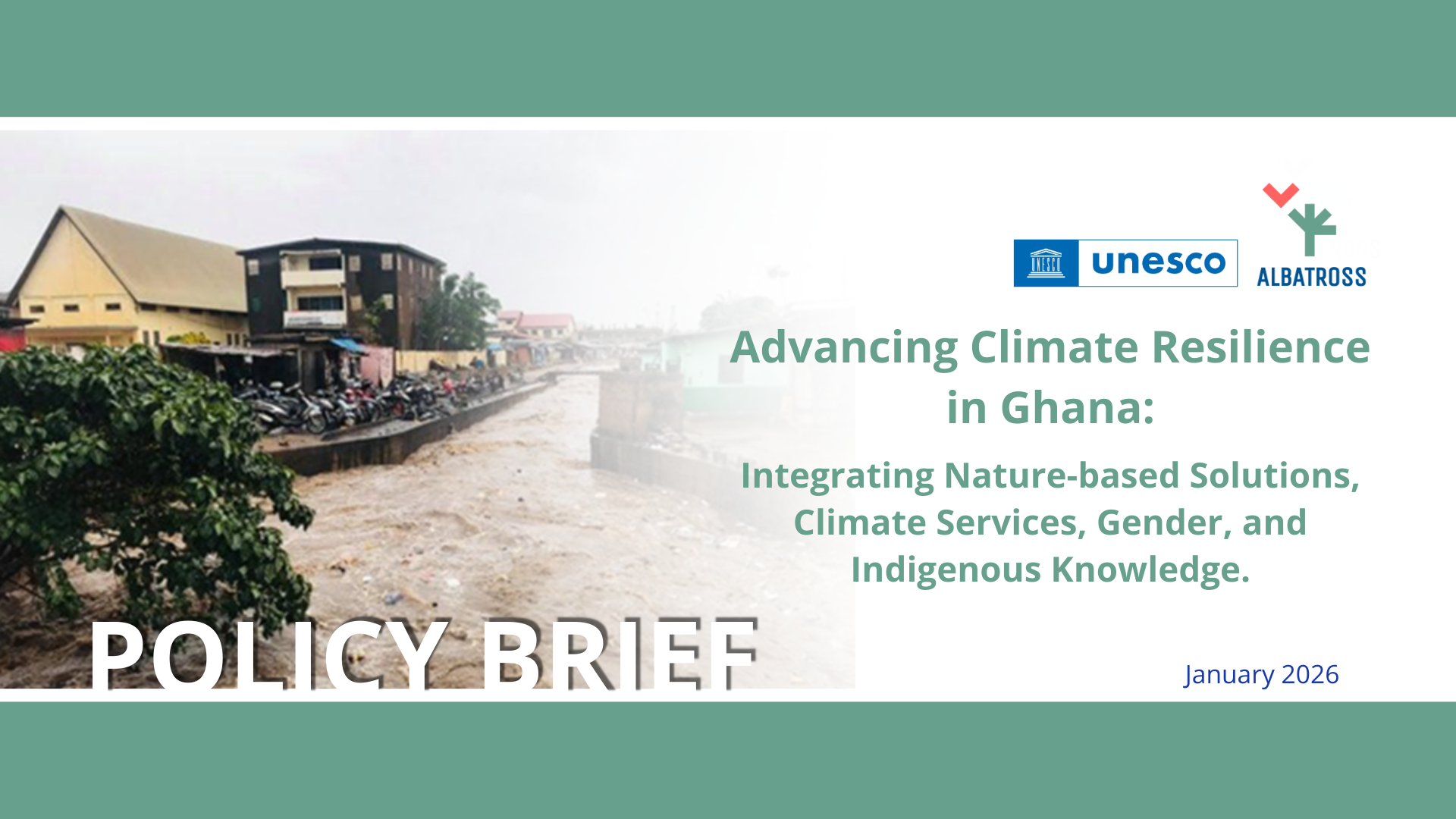
Advancing Climate Resilience in Ghana: Integrating Nature-based Solutions, Climate Services, Gender, and Indigenous Knowledge.

Ghana’s diverse climate, ranging from arid northern savannahs to humid southern coasts, renders the country highly vulnerable to climate change, with rising temperatures, erratic rainfall, prolonged droughts, and accelerating sea level rise posing serious risks to food security, livelihoods, and infrastructure.

For detailed information, find here the synthesis report analysing Ghana’s environmental and climate change policies.

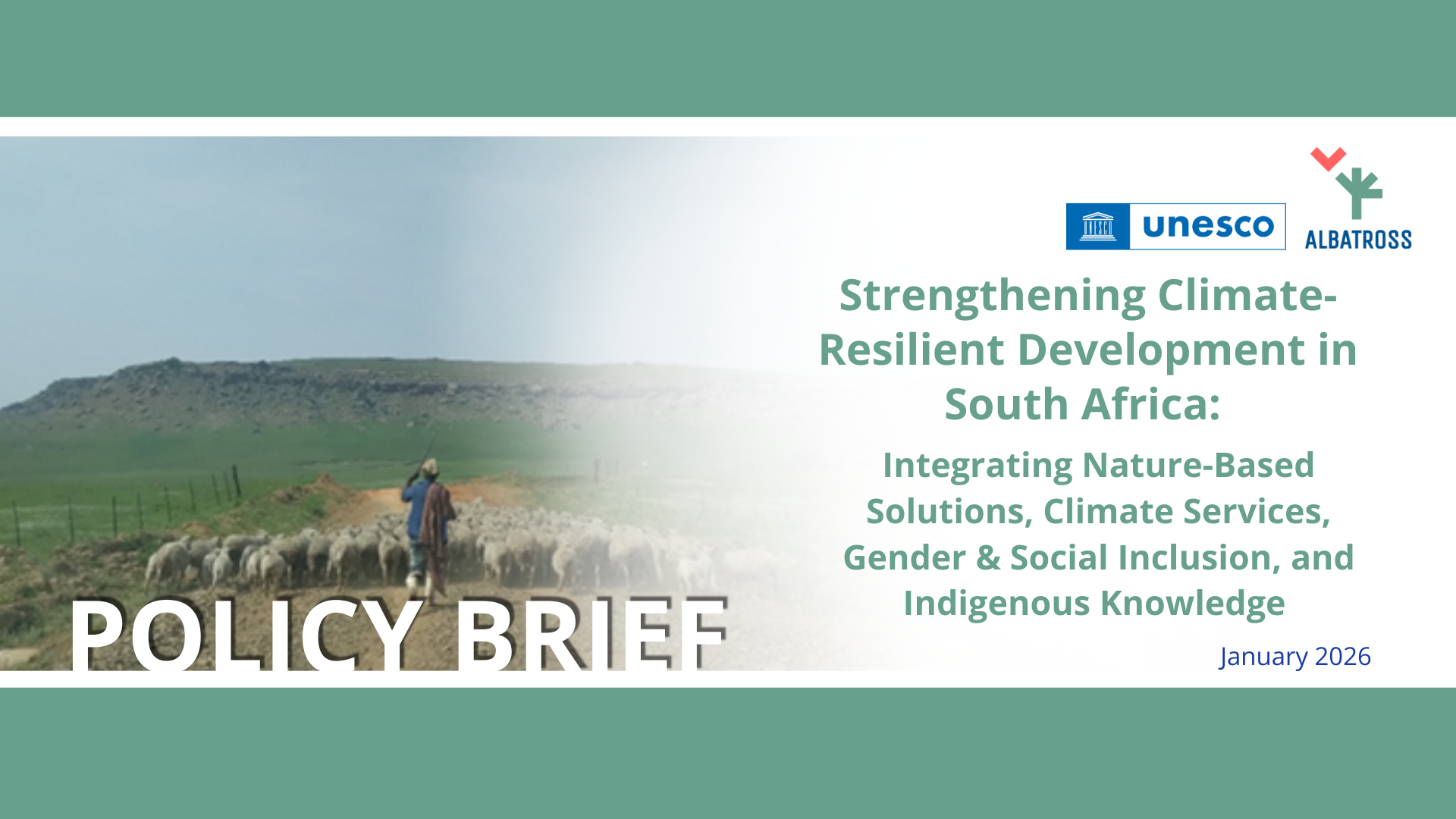
Strengthening Climate-Resilient Development in South Africa: Integrating Nature-Based Solutions, Climate Services, Gender & Social Inclusion, and Indigenous Knowledge 

South Africa faces intensifying climate risks, including prolonged droughts in the arid western provinces, floods and soil erosion in the Eastern Cape, sea-level rise along coastal areas, and increasing urban heatwaves. A review of 53 national and sub-national policy documents shows that while climate hazards are widely acknowledged, integration of nature-based solutions (NbS), climate services, gender-sensitive approaches, and Indigenous and local knowledge (IKLK) remains uneven and fragmented.

For detailed information, find here the synthesis report analysing South Africa’s environmental and climate change policies.

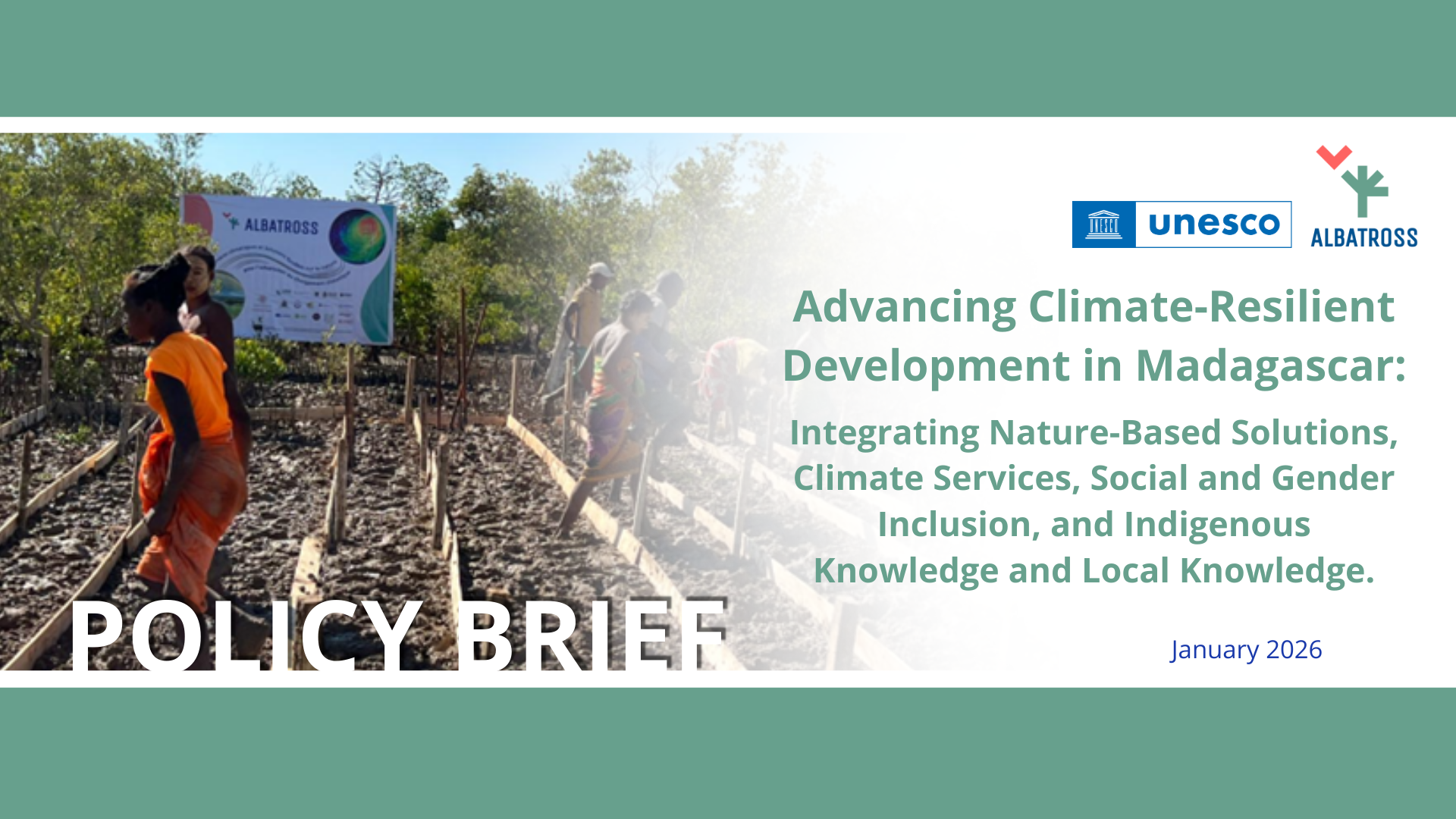
Advancing Climate-Resilient Development in Madagascar: Integrating Nature-Based Solutions, Climate Services, Social and Gender Inclusion, and Indigenous Knowledge and Local Knowledge.

Madagascar is among the world’s most vulnerable countries. It faces diverse and region‑specific climate challenges, the arid south experiences recurrent droughts, while the eastern rainforests are increasingly exposed to cyclones and flooding.

For detailed information, find here the synthesis report analysing Madagascar’s environmental and climate change policies.

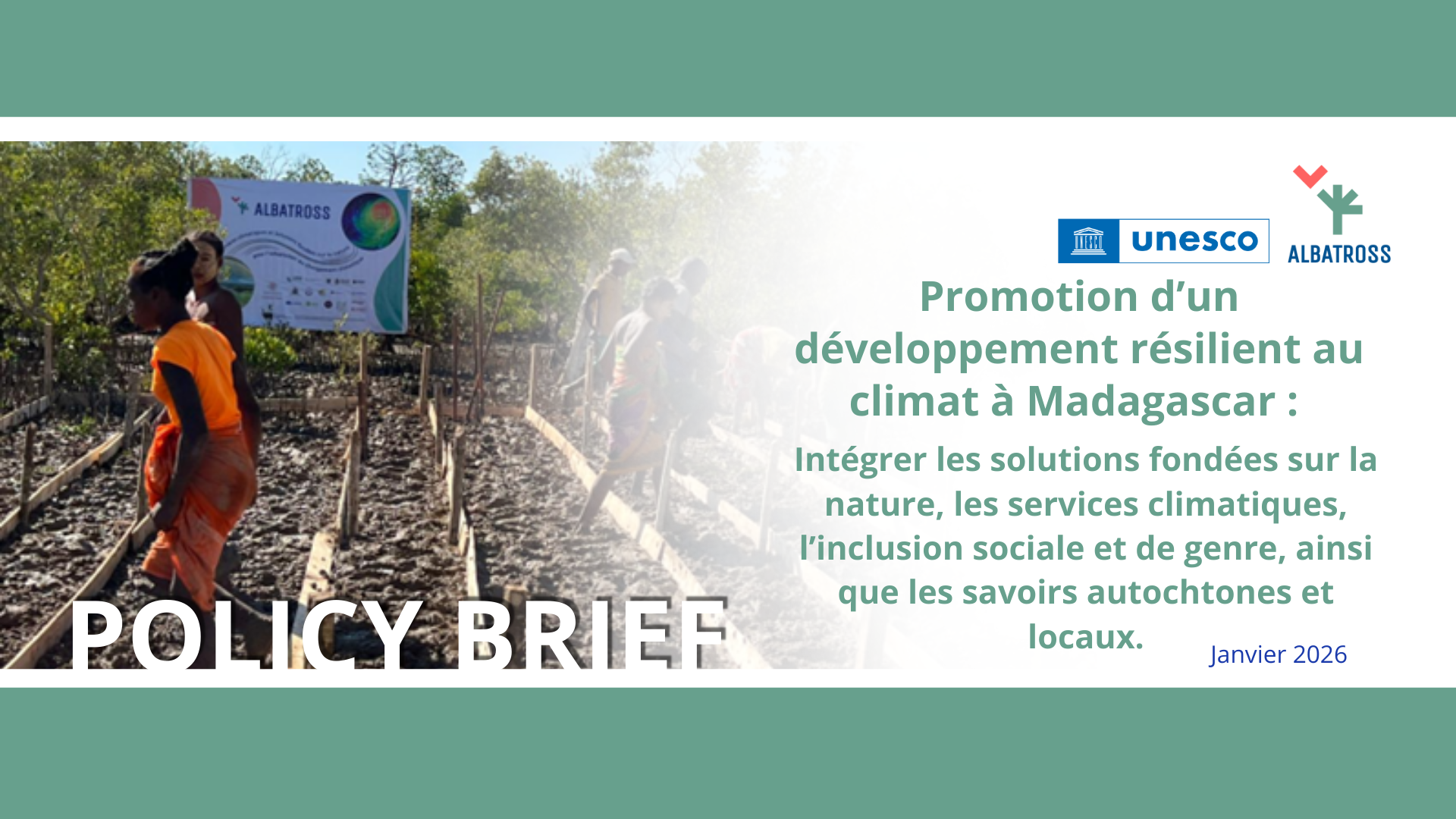
Promotion d’un développement résilient au climat à Madagascar : Intégrer les solutions fondées sur la nature, les services climatiques, l’inclusion sociale et de genre, ainsi que les savoirs autochtones et locaux.

Madagascar compte parmi les pays les plus vulnérables au monde. Le pays fait face à des défis climatiques diversifiés et spécifiques à chaque région : le sud aride connaît des sécheresses récurrentes, tandis que les forêts humides de l’Est sont de plus en plus exposées aux cyclones et aux inondations.

Strengthening Kenya’s Environmental Governance through Inclusive Nature-Based Solutions, Climate Services and Indigenous and Local Knowledge

Kenya has made notable and sustained progress in strengthening its environmental and climate policy landscape, demonstrating a growing commitment to sustainable development, green growth, and climate resilience. The country continues to refine policy instruments, integrate global frameworks, and advance coordinated actions that address emerging environmental challenges and long-term climate risks.

For detailed information, find here the synthesis report analysing Kenya’s environmental and climate change policies.

Enhancing Tanzania’s Climate-Resilient Development: Integrating Nature-Based Solutions, Climate Services, Gender Inclusion, and Indigenous Knowledge

Tanzania faces mounting climate risks, notably drought (52%), flooding (46%), soil erosion (40%), and heat waves and coastal degradation (17%). While national policies and strategies including sectoral frameworks acknowledge these hazards, responses remain fragmented. The review shows that 70% of Tanzanian policies integrate NbS, yet only 20% demonstrate high-level cross-sectoral integration. Similarly, the uptake of Climate Services is limited: fewer than 25% of policies reference them, and just 12% achieve comprehensive integration.

For detailed information, find here the synthesis report analysing Tanzania’s environmental and climate change policies.