Insights and lessons from the field: implementing complex scientific projects in African contexts
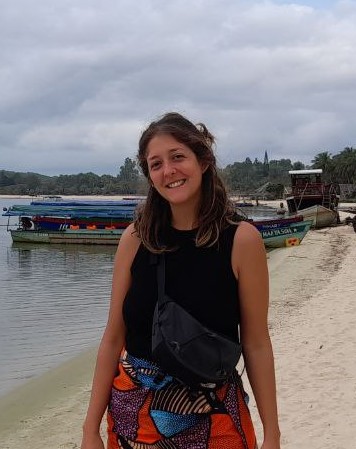
Stefania Nicole Zuccato is a PhD researcher at the Department of Sociology and Business Law of the University of Bologna. She has recently completed a three-month visiting research period in Madagascar, where she designed and facilitated several stakeholder fora in the Tamatave and Morondava hubs, in close collaboration with local partners Bôndy, OXFAM and UNESCO, within the framework of the ALBATROSS project.
As a sociologist, she analysed the local context to identify key lessons for effective Europe–Africa collaboration, particularly in relation to stakeholder participation and the implementation of scientifically advanced and technically complex projects in settings that are not familiar with this kind of approach. Her work focused on how project activities and tools can be adapted to local realities to support climate adaptation while ensuring relevance, trust and usability for the communities involved.
“I am a researcher, I am European, and I am a woman. This is how local people in Madagascar perceived me when I arrived, and I had to deal with what that meant for our interactions. This immersive experience taught me lessons that no academic reading could have provided. It has been a really enriching experience for me to be welcomed there.
Working through an interpreter showed me that translation went far beyond language. When I asked about climate change, I was referring to an abstract concept shaped by my academic background. Farmers, instead, need the questions to resonate with their lived experiences, such as shifts in rainfall patterns or agricultural calendars, so this reframing relied on the interpreter, which made me aware of the relevance of their role.
This experience relates closely to the issue of scientific colonialism. ALBATROSS actively works to avoid this by ensuring that all results are relevant and useful for African researchers and stakeholders. This requires European partners to constantly question their assumptions and validate ideas with local partners.
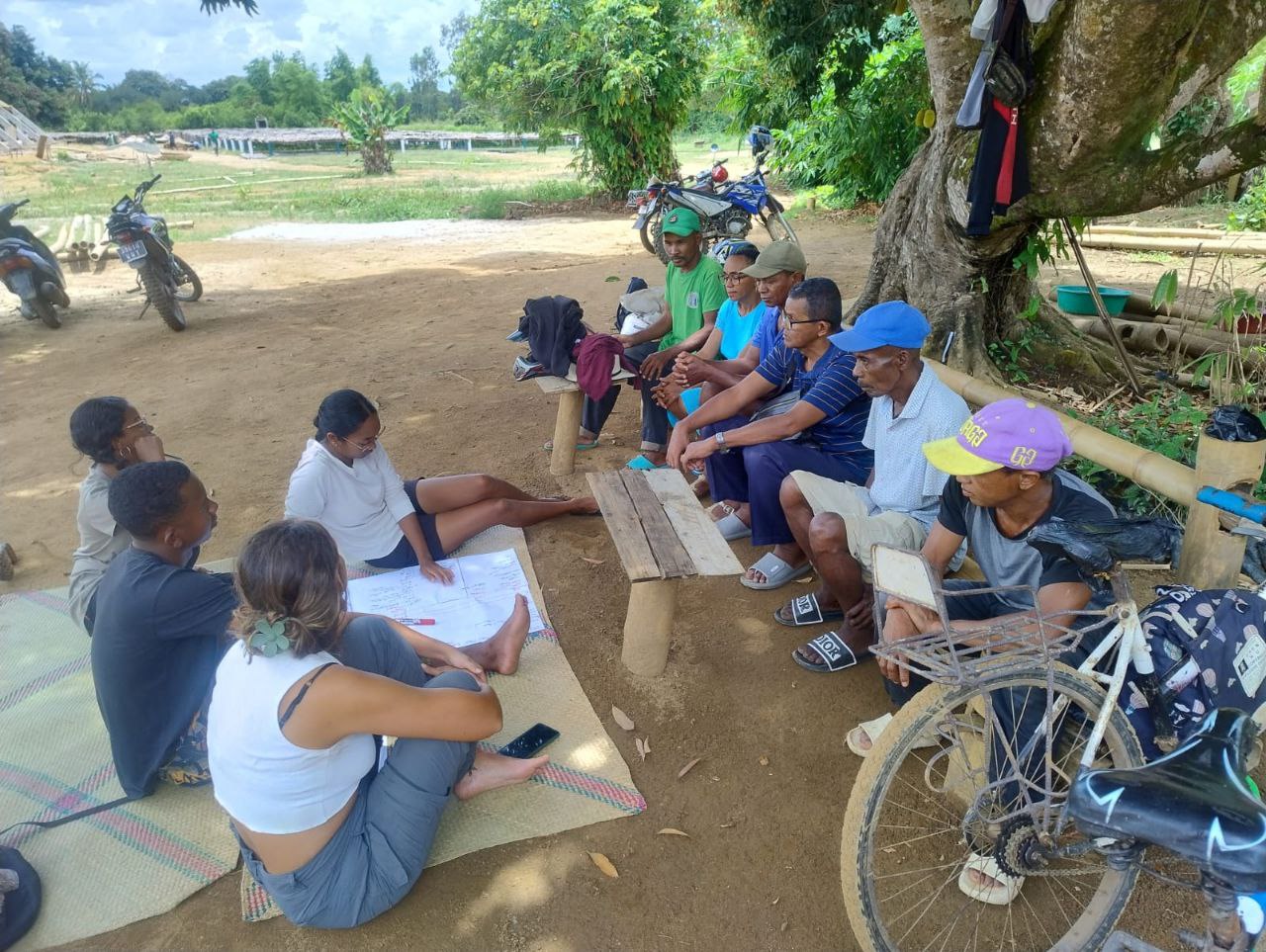
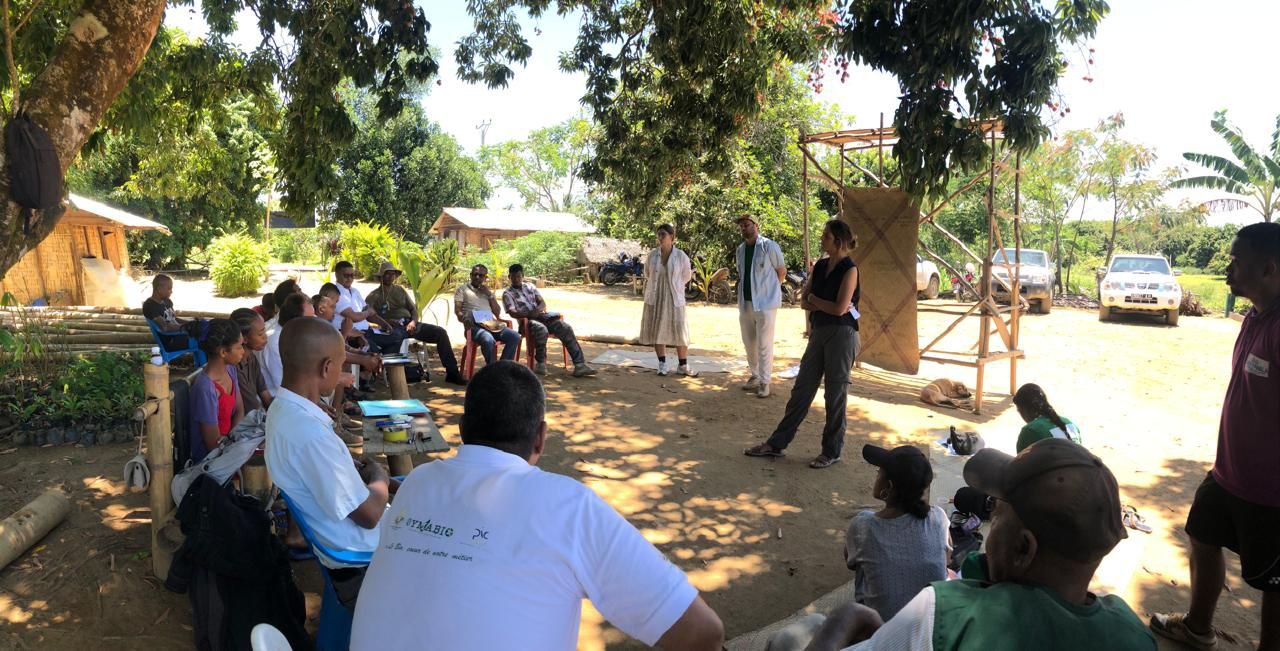
This is the reason why stakeholder fora were organised; they were designed not just as spaces for discussion, but for co-producing tangible outcomes. We chose the community map as a participatory tool, allowing participants to reflect on their knowledge of space and time, while working with visual elements could also include insights of people with low literacy levels. In Tamatave, everyone having a pencil helped place all participants on an equal level and fostered participation.
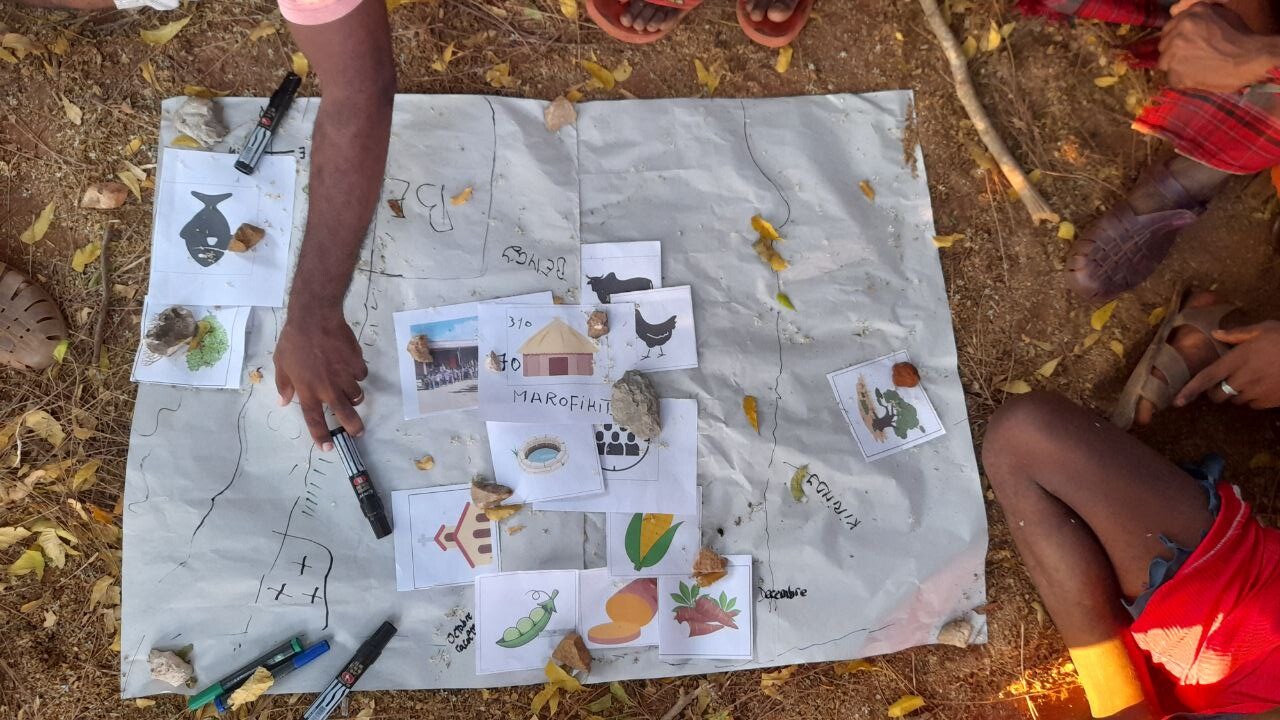
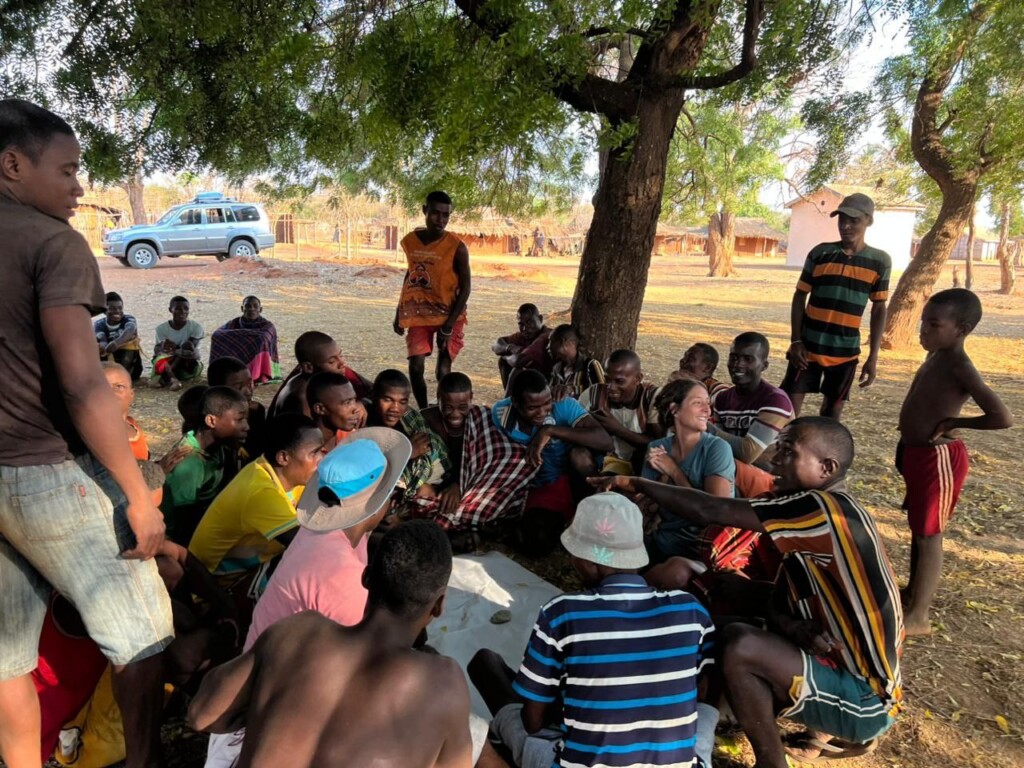
In Morondava, we had to adapt again. Many participants were not used to writing, so we used icons to represent elements such as cyclones, forests or houses on the map. Selecting these symbols also required close collaboration with local partners, as our cultural references differ, and they needed to reflect local realities.
The same applied to group dynamics. While mixing age and gender groups is often recommended in Europe, this approach proved less effective in some rural settings in Madagascar. Social norms meant that younger people or women were less likely to speak openly in the presence of elders or men. Allowing groups to form spontaneously enabled richer discussions, even though it resulted in different groups addressing the same challenge through different points of view.
This diversity of perspectives ultimately provided a broad, 360-degree understanding of local priorities, challenges and perceptions. I am now analysing the outputs from the stakeholder fora and contributing to a virtual space that will document participatory experiences across all ALBATROSS hubs. This will both showcase the project’s collaborative approach and support future initiatives seeking to engage communities in meaningful, context-sensitive ways.”