Voices from the Ground: The role of nature-based solutions and sustainable livelihoods in mobility decisions
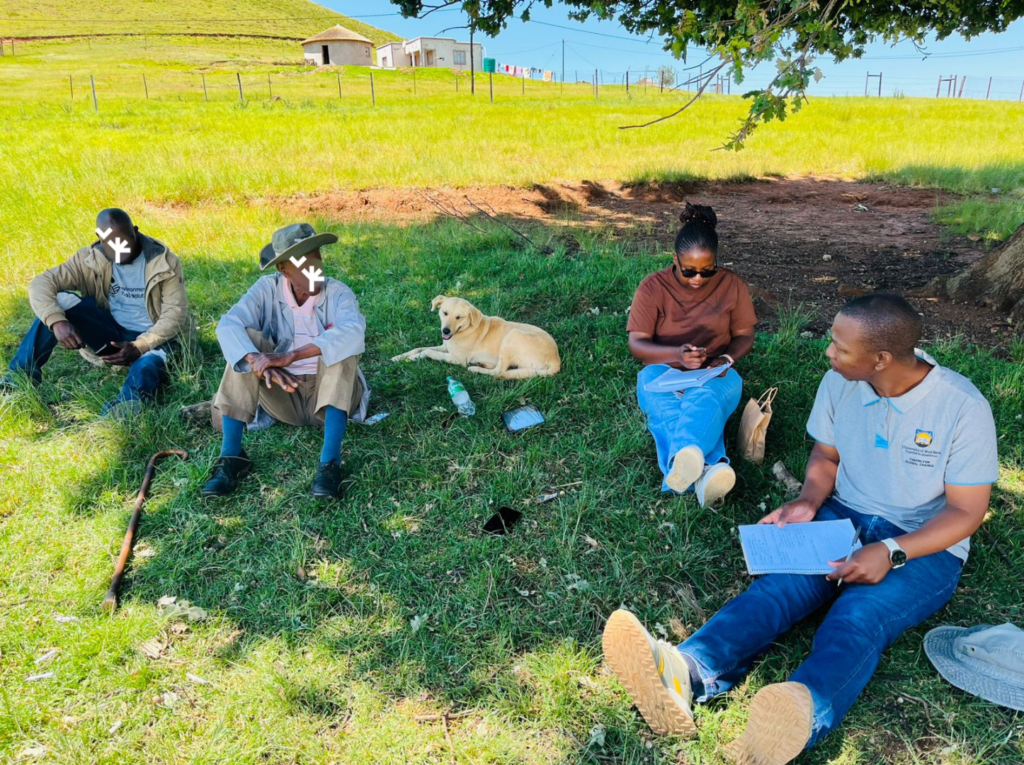
The ALBATROSS partners at the ACDI’s People in Nature & Climate (PiNC) Lab of the University of Cape Town, South Africa, are spearheading a study to collect and share lived experiences about people’s movement decisions and the influence of nature-based solutions (NbS) projects/programmes or sustainable natural-resource-based livelihoods. In addition to collecting empirical data, this initiative showcases rich community member stories across several regions in SSA. These stories can be used by community members to advocate for positive change.
These experiences were gathered through face-to-face semi-structured interviews conducted at seven different locations: Kumasi and Keta in Ghana, Turkana in Kenya, Morondava and Tamatave in Madagascar, Umzimvubu in South Africa, and Kigamboni in Tanzania. Using this qualitative “storytelling” research approach, community members were able to interpret and share their own experiences. Through interviews across Hubs, the ALBATROSS team gathered real-life perspectives on NbS, sustainable natural resource-based livelihoods, and the links between mobility and NbS. The Hub experts that assisted in coordination of this research have shared their reflections and experiences:
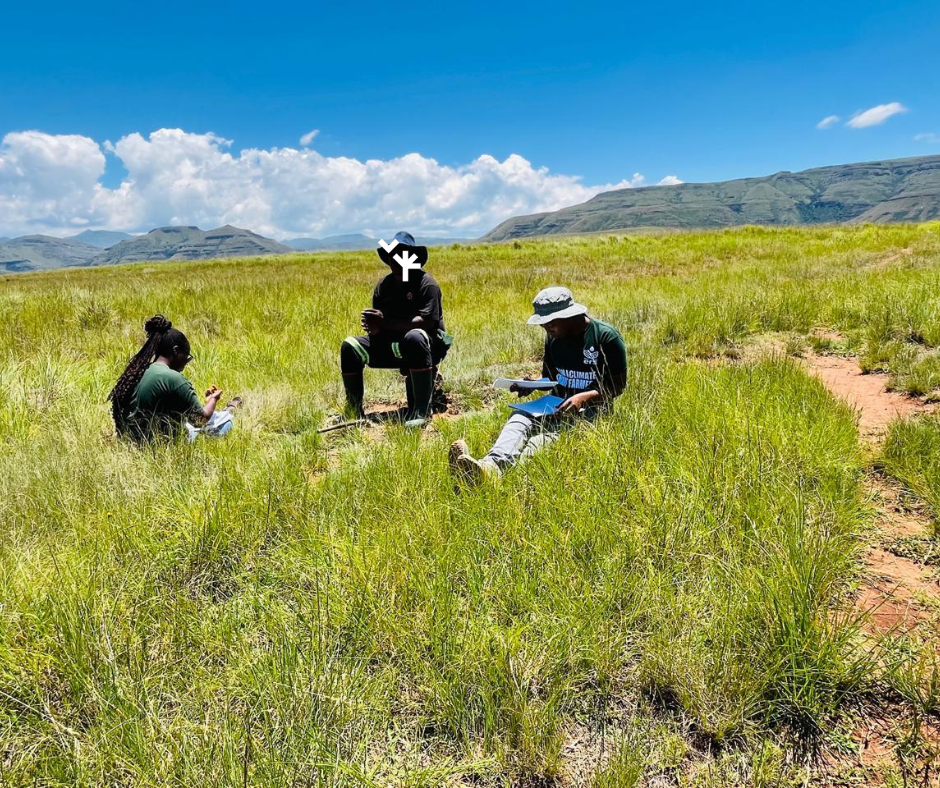
“Through interviews across Umzimvubu villages, what was fascinating is that across ages and genders, and regardless of the economic, environmental, or well-being factors that mattered most to them, community members felt their decisions to stay or leave ultimately improved their long-term circumstances,” explains Cherié Forbes, lead of the study and assistant coordinator of the Umzimvubu Hub.
Arthur Bostvironnois: “In the Tamatave Hub, the interviews highlighted the importance of listening to how people themselves frame mobility decisions, rather than assuming a direct link between climate pressures and migration. The process showed that discussions around movement, work, and livelihoods are deeply connected to family responsibilities and social obligations, especially toward relatives and community members facing stronger climatic and economic vulnerabilities.”
Lazaro Mngumi: “Kigamboni Hub, being an urban and peri-urban setting migration /mobility is driven by several livelihood related factors including small business and petty trading opportunities. Nature-based solutions and in particular Mangrove conservation and bee keeping serves as a complementary driver as people does not depend solely on them so their survival.”
Gilbert Ong’Isa Ouma: “From our engagement with communities in Turkana Hub, we have learnt that mobility choices depend on the availability of alternative livelihoods. For example, we interacted with some households who chose to stay during periods of drought because of alternative livelihood options such as farming or fishing along the River Turkwel. Other households moved because of a lack of alternatives and ventured into charcoal burning or mining. However, in due course, they returned because these options were unsustainable.”
Adelina Maria Mensah: “In Keta Hub, it seems community members mobility decisions are driven by livelihood insecurity and fishing seasonality, though strong family and cultural ties draw people back home. Closed seasons and shifting economic and environmental conditions are prompting interest in livelihood diversification options, though access to training is limited. NGOs and government agencies are introducing mangrove restoration and seedling production as alternative livelihoods, but these function more as supplementary rather than primary income sources, and fisheries remains central to the households’ livelihoods and identity.”
Enoch Bessah: “In the Kumasi Hub, although interviews showed that NbS is the way to go and interviewees see the benefits, the land tenure system does not allow communities to realise the full benefit. For example, due to the decision of some community members not to adopt simple NbS technique landscaping with grasses, others who adopt and are unfortunately located at lower elevations have more runoffs from the ‘un-adopting households’ and at the end still experience flooding on their compound. This challenge will require the enforcement of land use planning laws in our districts and municipalities for communal benefit.”
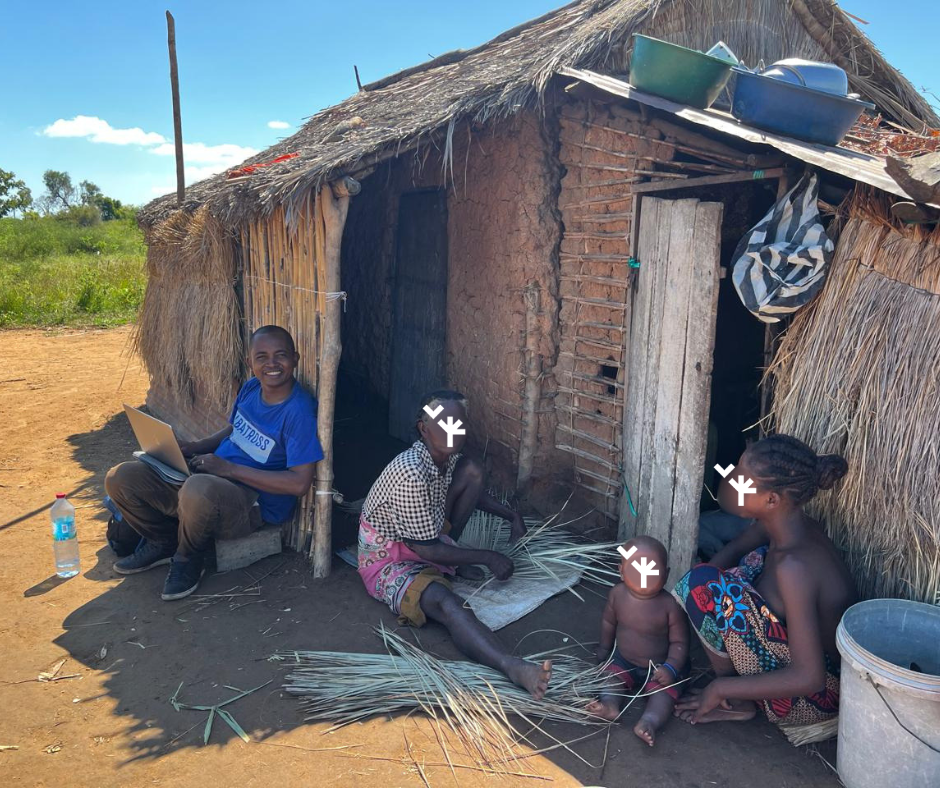
Christian Monja: “In the coastal community of Belo-sur-Mer (Morondava hub), community members’ reflection on their decisions to move or stay highlighted how life has become increasingly shaped by the changing climate. Seasons that once guided farming and livestock rearing have grown unpredictable, as recurring droughts and floods that leave fields covered in sediment make it harder for families to depend on the land that has sustained them for generations.
When water becomes scarce, and the soil can no longer produce enough, many households are forced to leave their villages for months at a time, travelling deeper into the Kirindy Mitea natural reserve areas in search of fertile land. Most of the time, they only return to their villages during the rainy seasons to cultivate their original plots once again.”
“Now that all 70 interviews have been completed across the Hubs, we are analysing the qualitative data and anticipating important findings that will shape how we engage with the communities ALBATROSS is designed to support. And as we answer the question, “What role did NbS play in the economic/environmental/wellbeing reasons for the mobility decision?” we also hope these insights will help tailor the climate services for NbS planning being developed across all seven ALBATROSS Hubs.” Add Cherié Forbes.
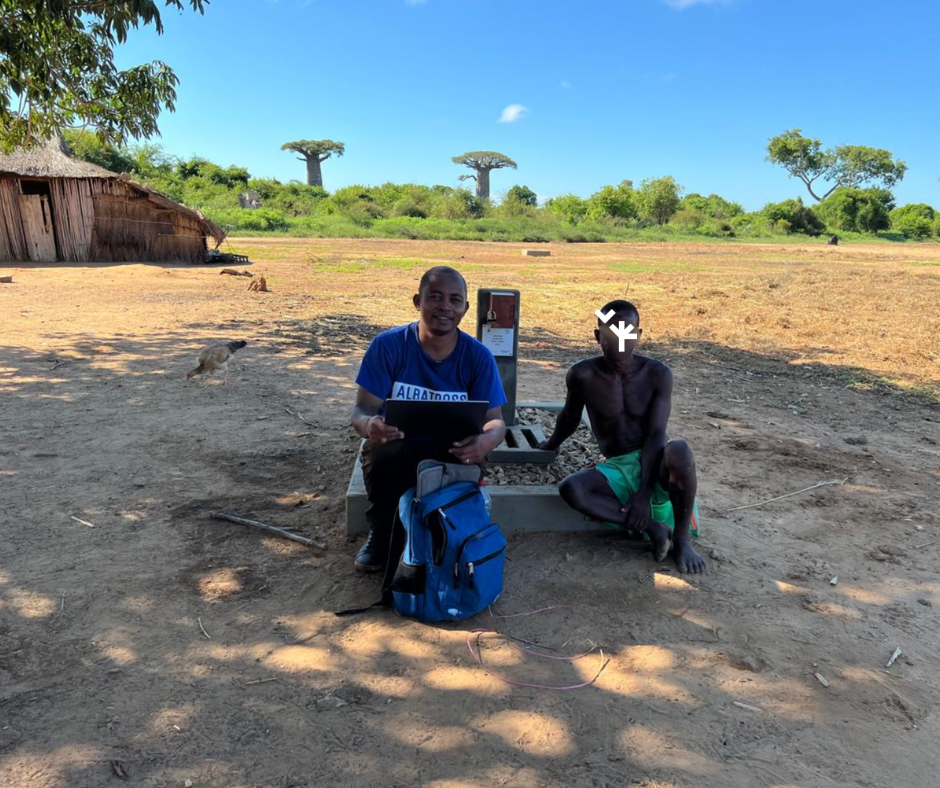
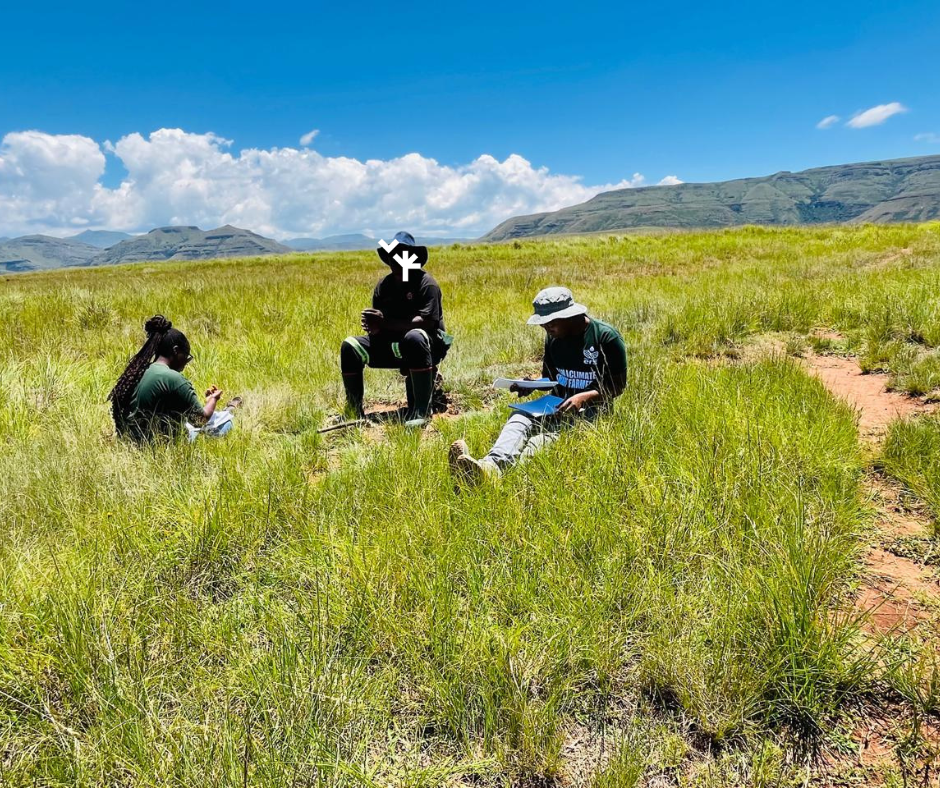
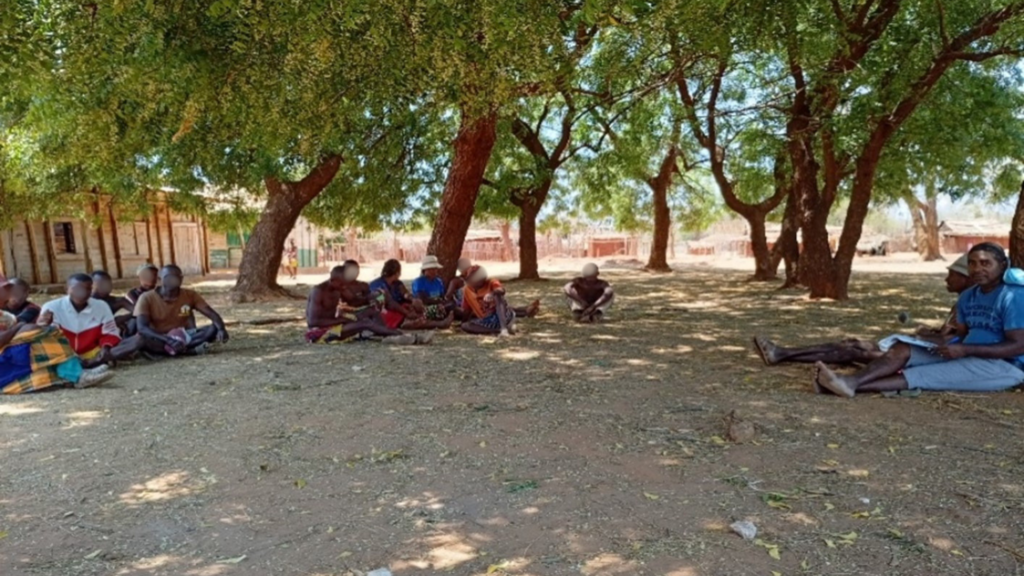
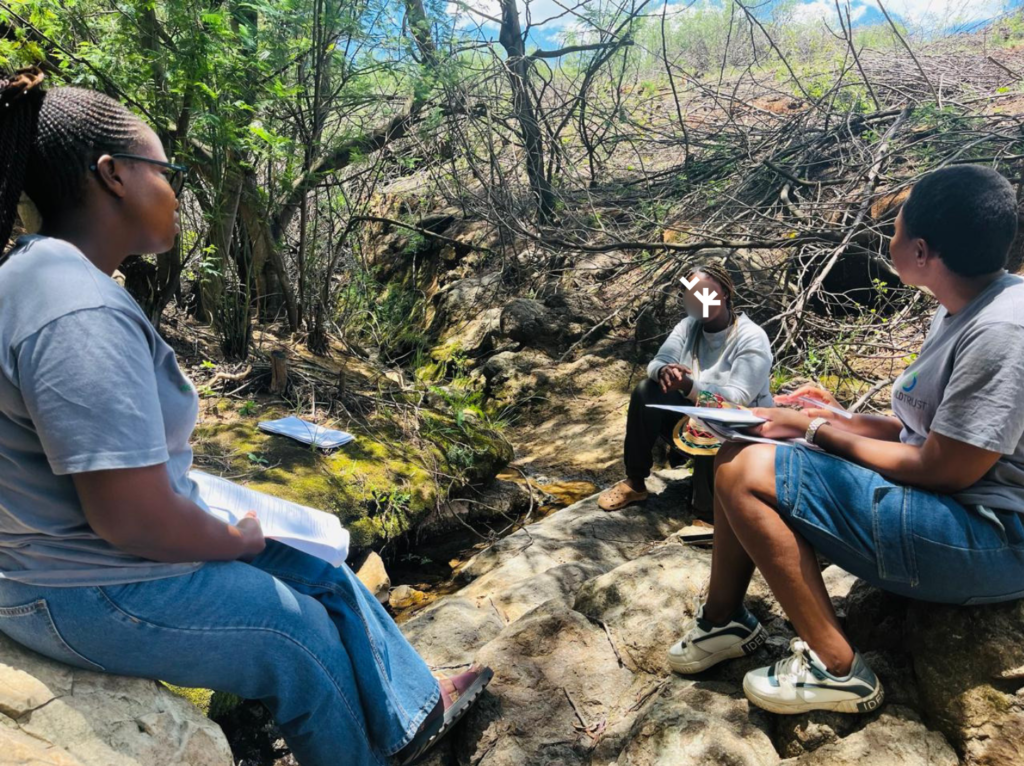
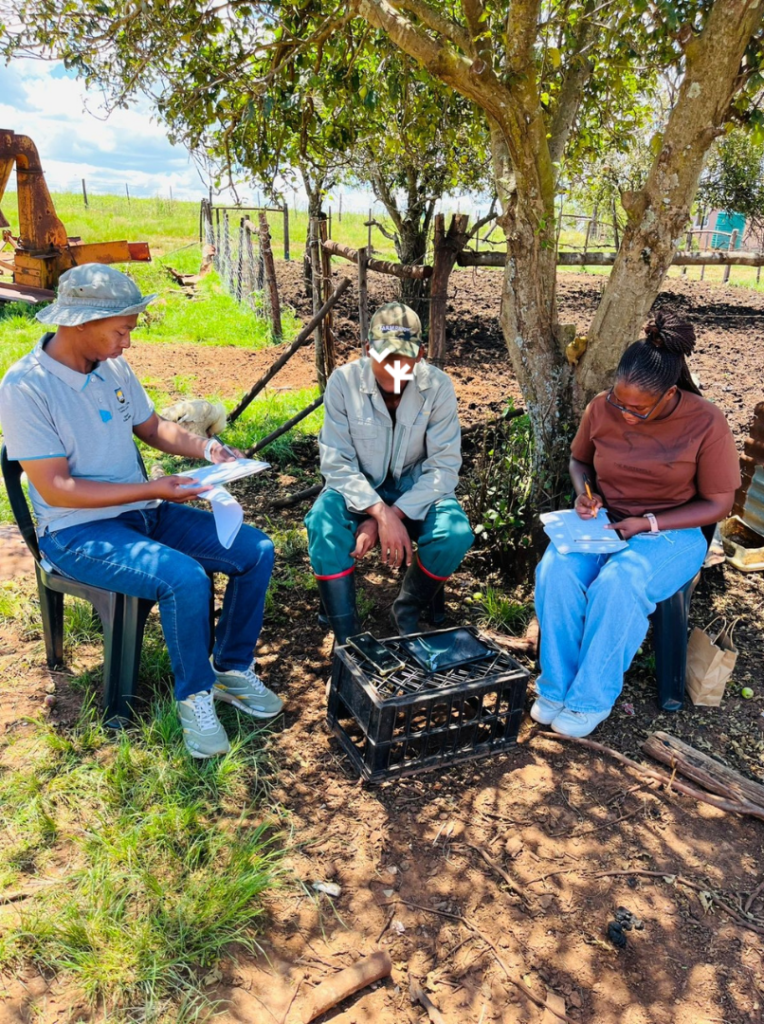
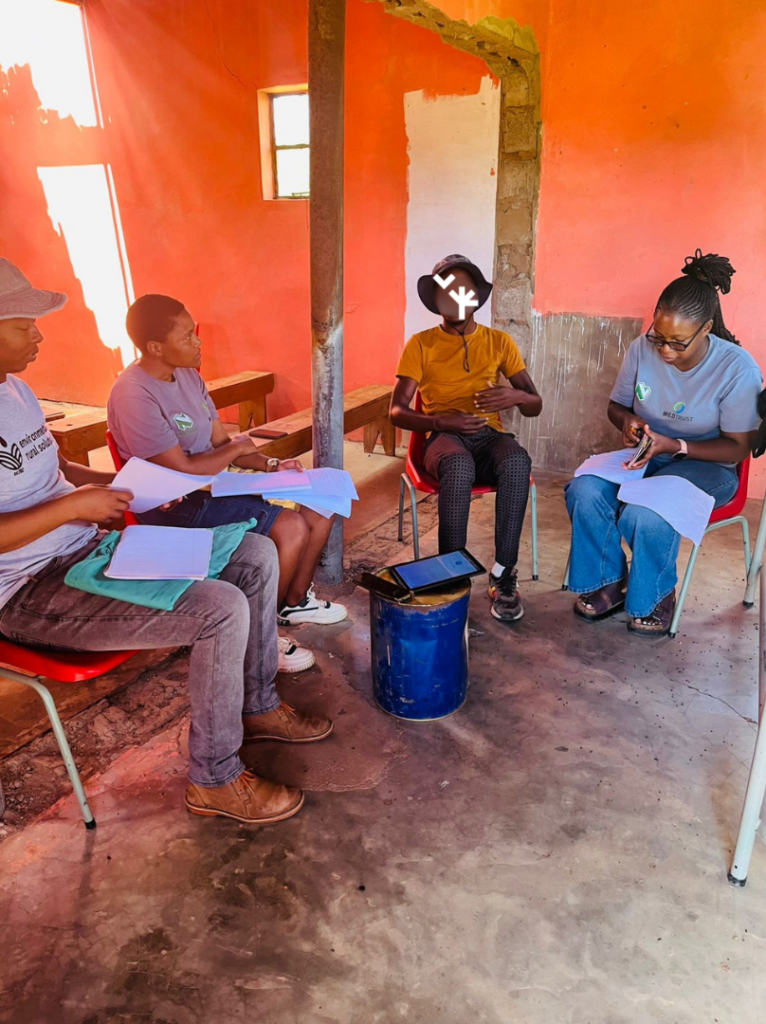
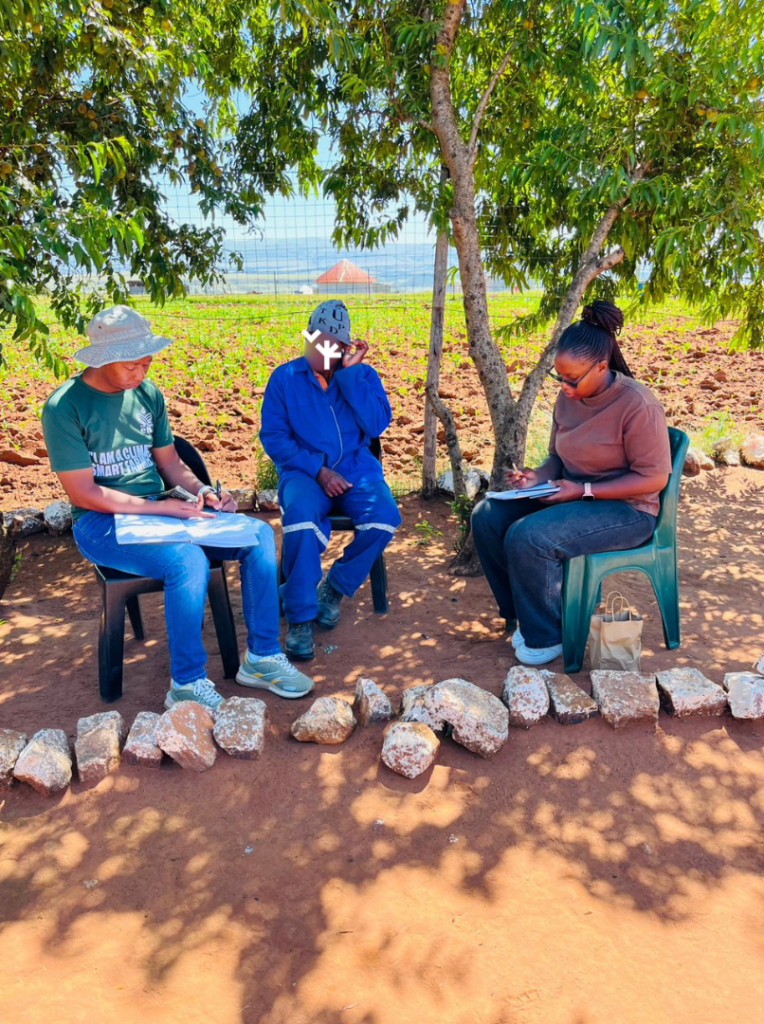
*Photo credits: Environmental Rural Solutions (ERS) and Morondava Hub coordinators
Share on Facebook Share on Twitter Share on Pinterest