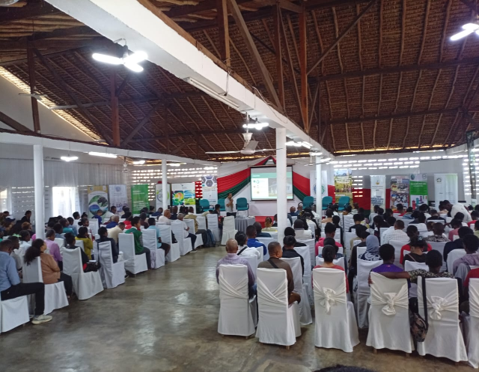
ALBATROSS participated actively in the official celebration of the international environment and biodiversity days in Morondava
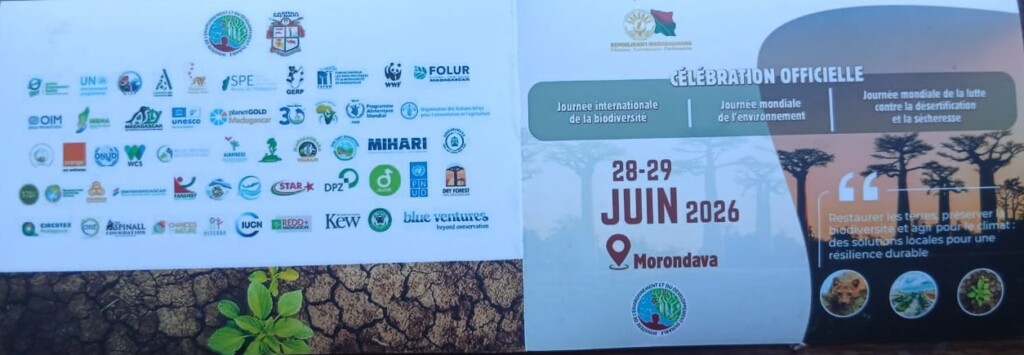
From 28 to 30 June 2026, the Madagascar national celebration of World Environment Day, the International Day for Biodiversity, and the World Day to Combat Desertification and Drought was held in Morondava hub under the high patronage of the President of the Refoundation of the Republic of Madagascar called Colonel RANDRIANIRINA Mickael, the President of the National Assembly called RANDRIANASOLONIAIKO Siteny, accompanied with their colleagues Deputy, the Minister of Environment and Sustainable Development called Mr. ANDRIATSIHALA Nolave Luck Aristide, as well as the local authorities of Morondava city.
The event featured a wide range of activities implemented with the technical and financial support of more than 50 partners. Among them, the ALBATROSS project, through UNESCO, actively contributed to several key activities, including the environmental carnival, a beach clean-up campaign, and a thematic workshop.
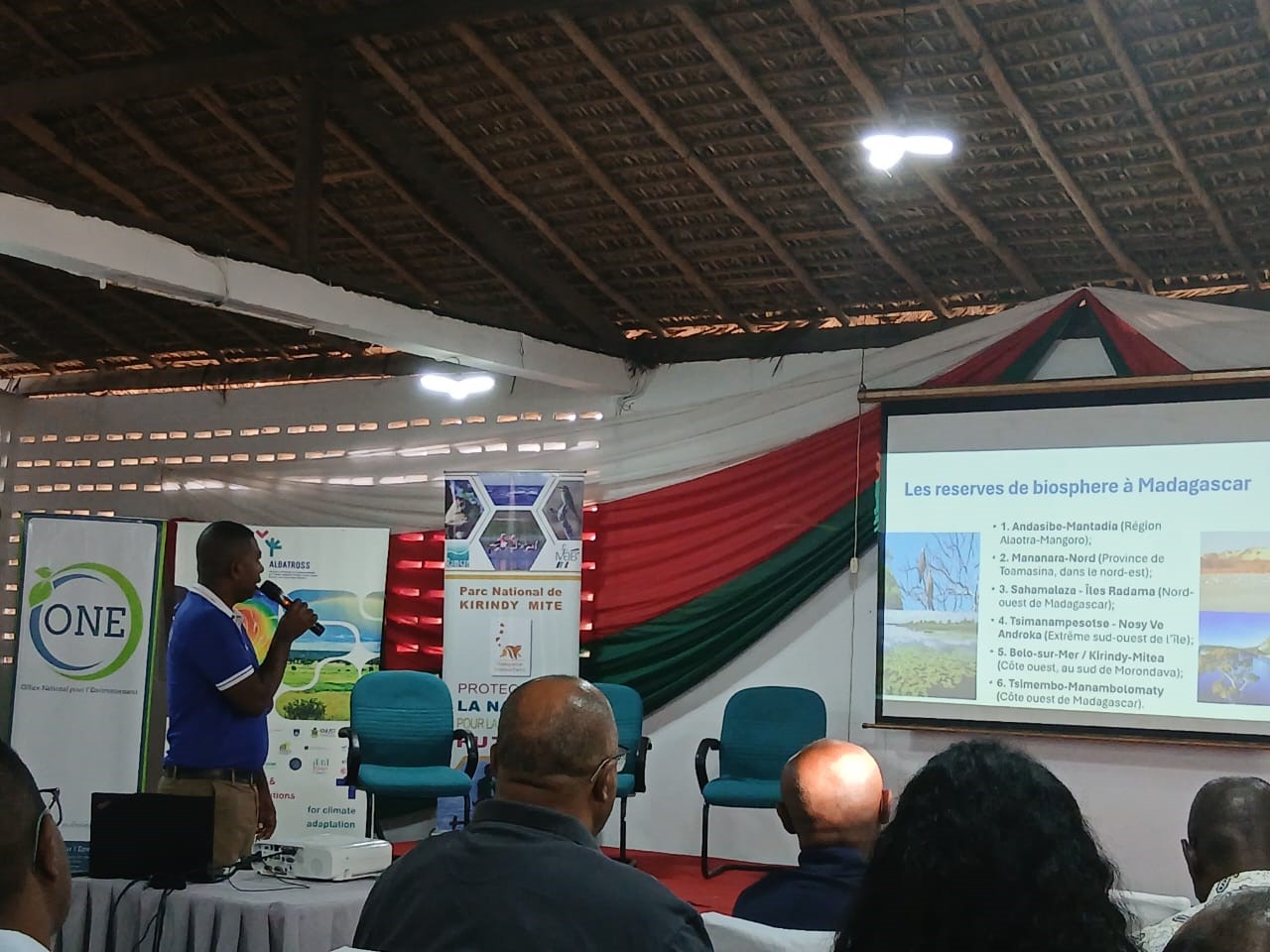
The thematic workshop, entitled “Biosphere Reserves and Their Impacts on Local Communities for Sustainable Development,” highlighted the important role of Biosphere Reserves in biodiversity conservation and sustainable development. The workshop featured presentations from three organisations: UNESCO, The Peregrine Fund (TPF), and Madagascar National Parks (MNP).
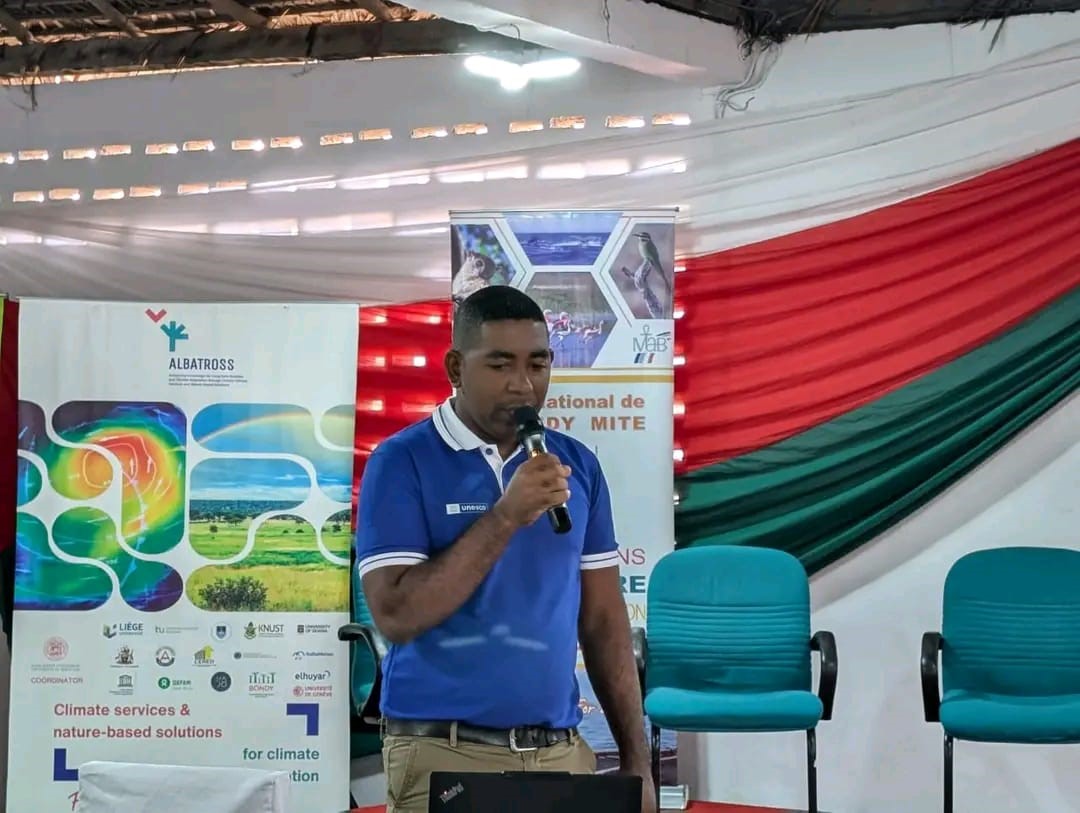
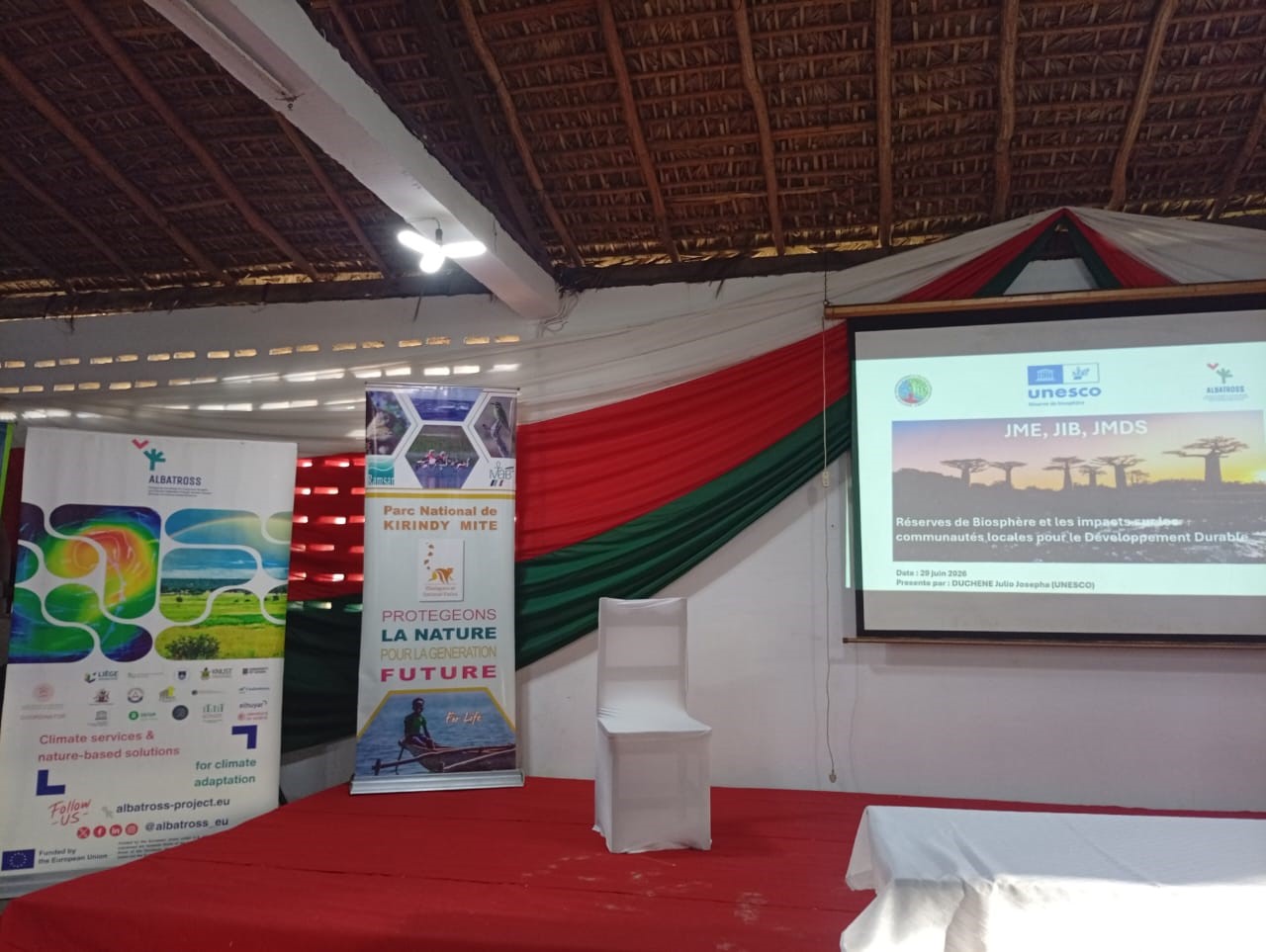
UNESCO introduced the Man and Biosphere (MAB) Programme, explaining the Biosphere Reserve concept, its three core functions, and its zoning system. The presentation also showcased the positive impacts of Nature-based Solutions (NbS) implemented through the Albatross Project, particularly the mangrove restoration activities carried out within the Kirindy Mitea Biosphere Reserve (Bel Sur Mer), demonstrating their contribution to improving local livelihoods while strengthening ecosystem resilience.
The Peregrine Fund presented the process of establishing the Tsimembo Biosphere Reserve, outlining the main steps, stakeholder engagement process, and lessons learned throughout its development.
Madagascar National Parks concluded the technical presentations by highlighting the benefits and opportunities provided by Biosphere Reserves, drawing on the experience of the Kirindy Mitea Biosphere Reserve. The session ended with an interactive question-and-answer discussion involving the participants.
The workshop was attended by more than 200 participants, including university students, representatives of community-based organisations and non-governmental organisations, public and private institutions, government agencies, and technical and development partners.