The ALBATROSS consortium visits the Keta Hub
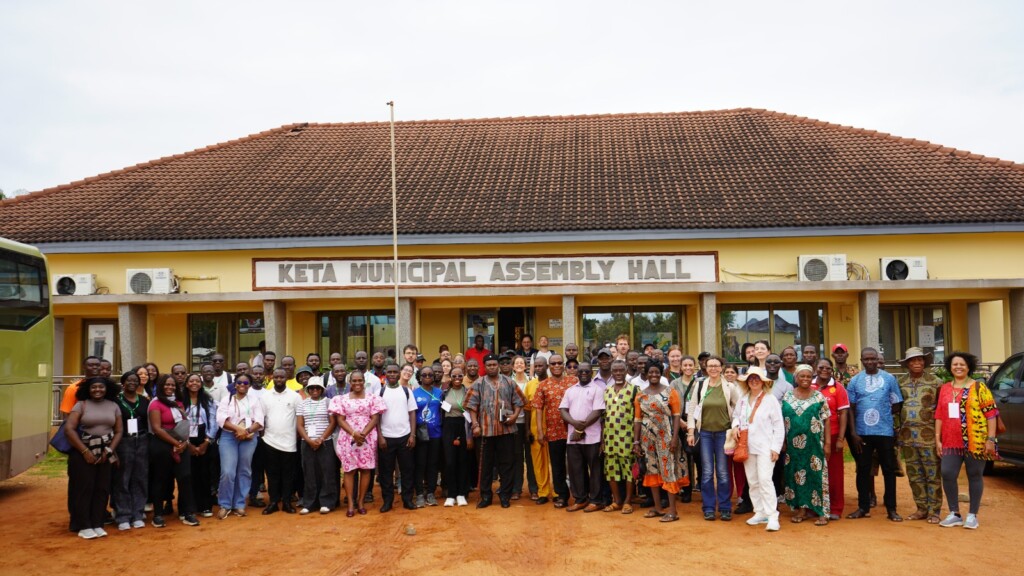
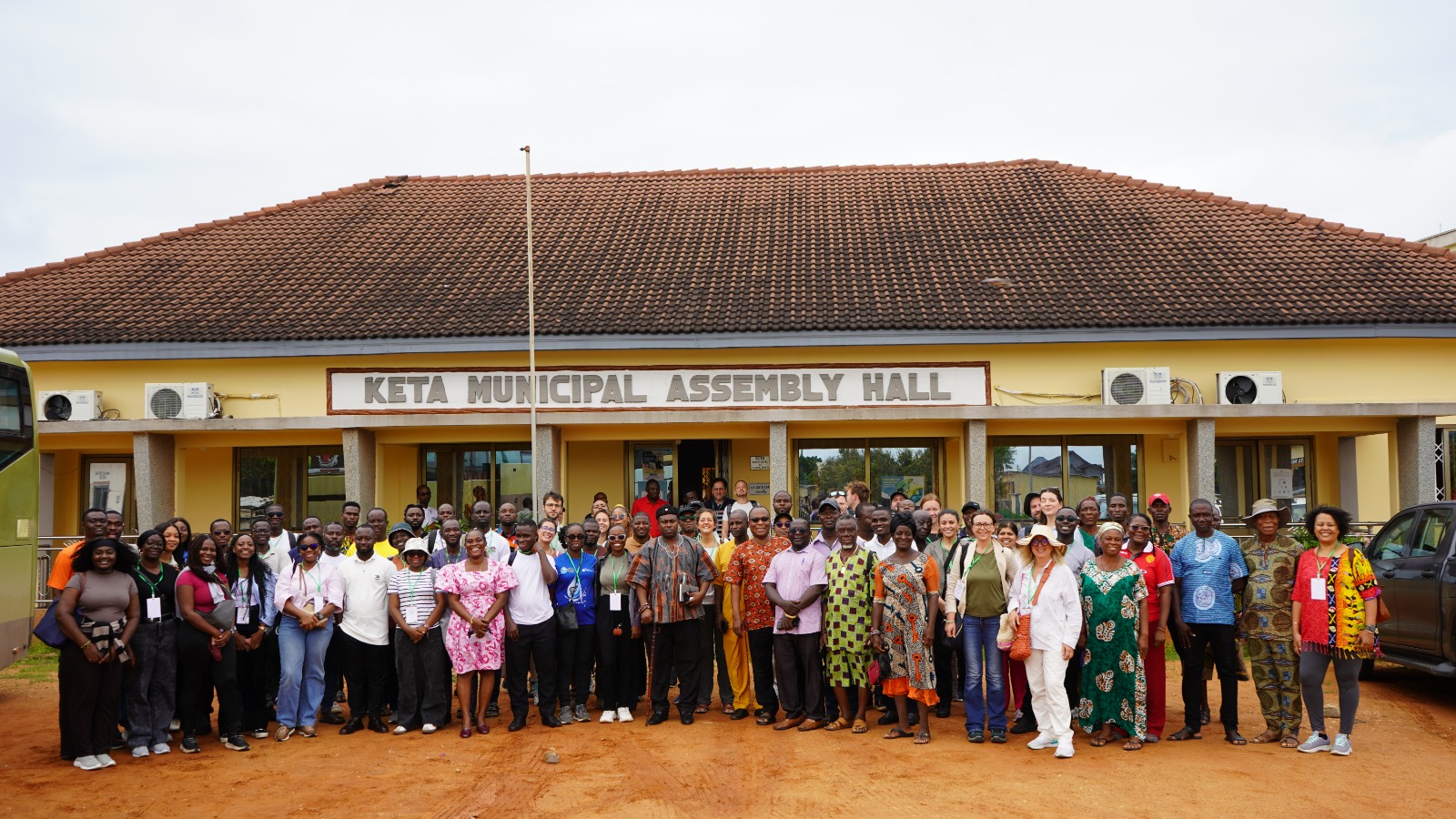
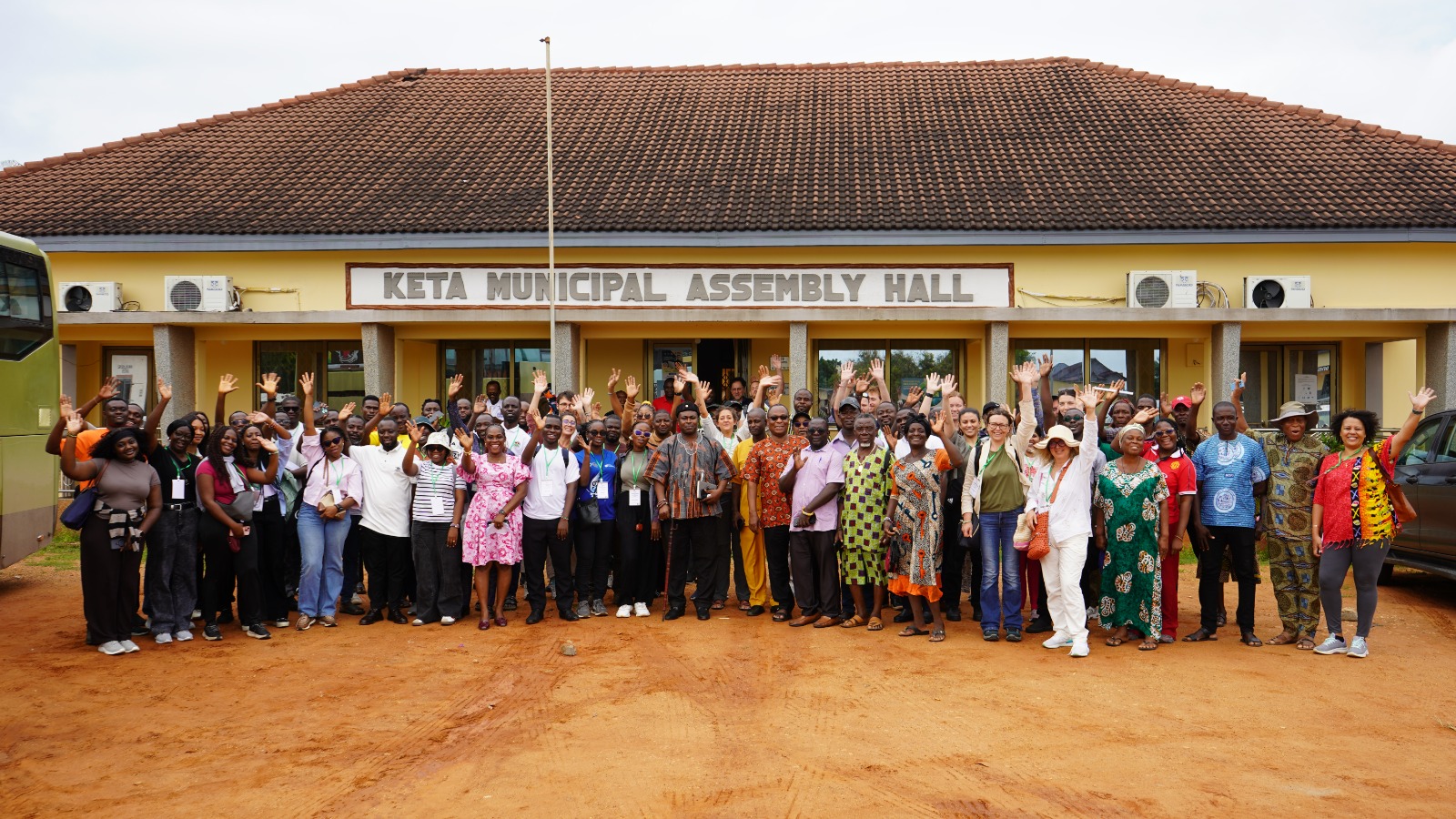
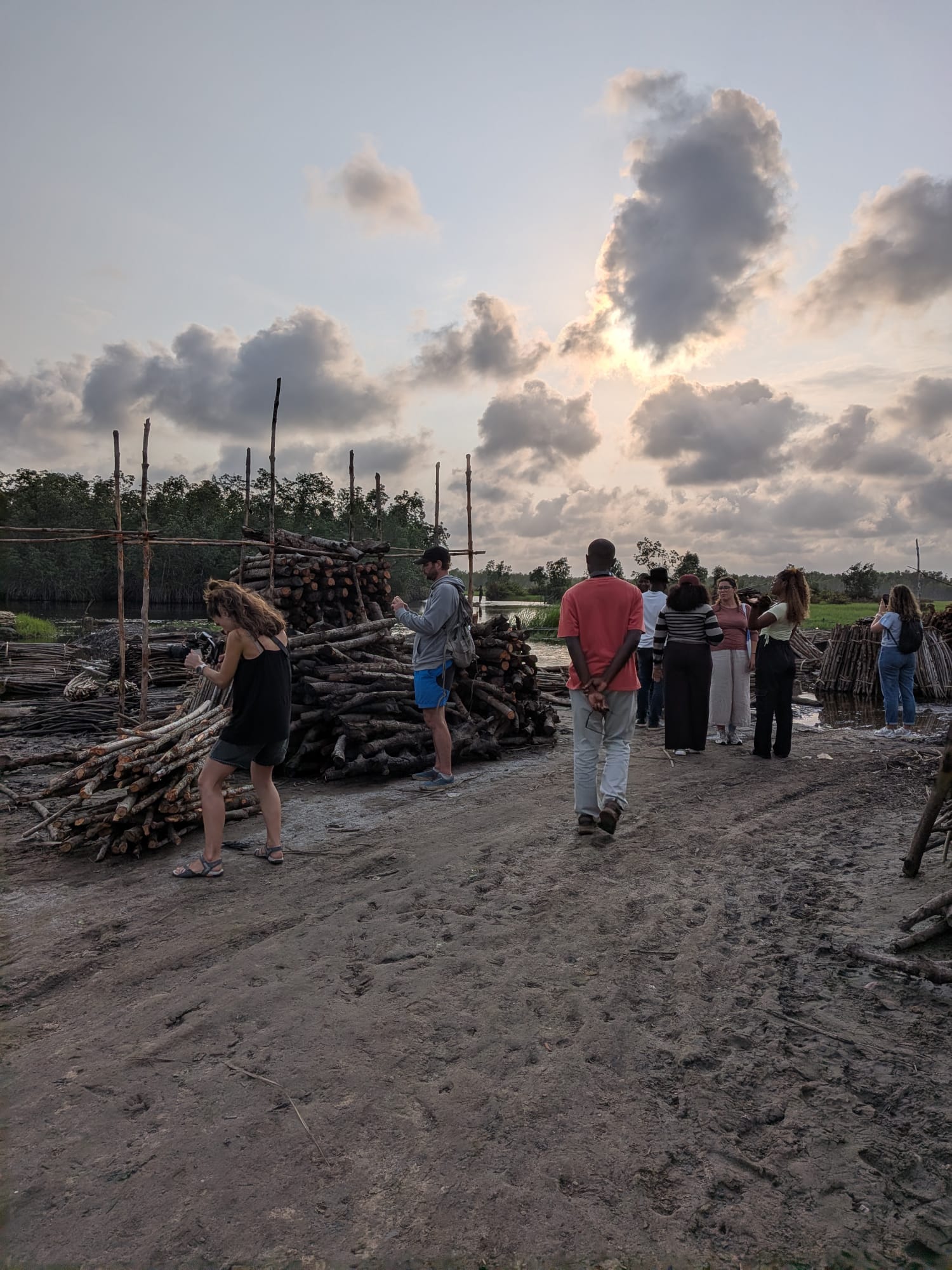
On 15 July 2026, the ALBATROSS partners met for the project’s third General Assembly, hosted by the partners from the University of Ghana, went for a field trip to the Keta hub. With this visit, they completed a twofold objective: on the one hand, interactions with both officials and stakeholders in this district were held, which was a unique experience to exchange experiences and knowledge, particularly valuable for tailoring the tools and services that are being developed in the project according to their final users’ needs and expectations. On the other hand, some field visits were arranged to see first-hand different nature-based solutions in place in the area.
The Keta Basin, in the south-eastern part of Ghana, is a rural and densely populated region of coastal plains mainly drained by the Volta River and experiencing both population growth and urbanisation. Agriculture, including livestock rearing and fisheries, salt and sand mining, construction, trade, transport, and eco-tourism are key sectors in this region.
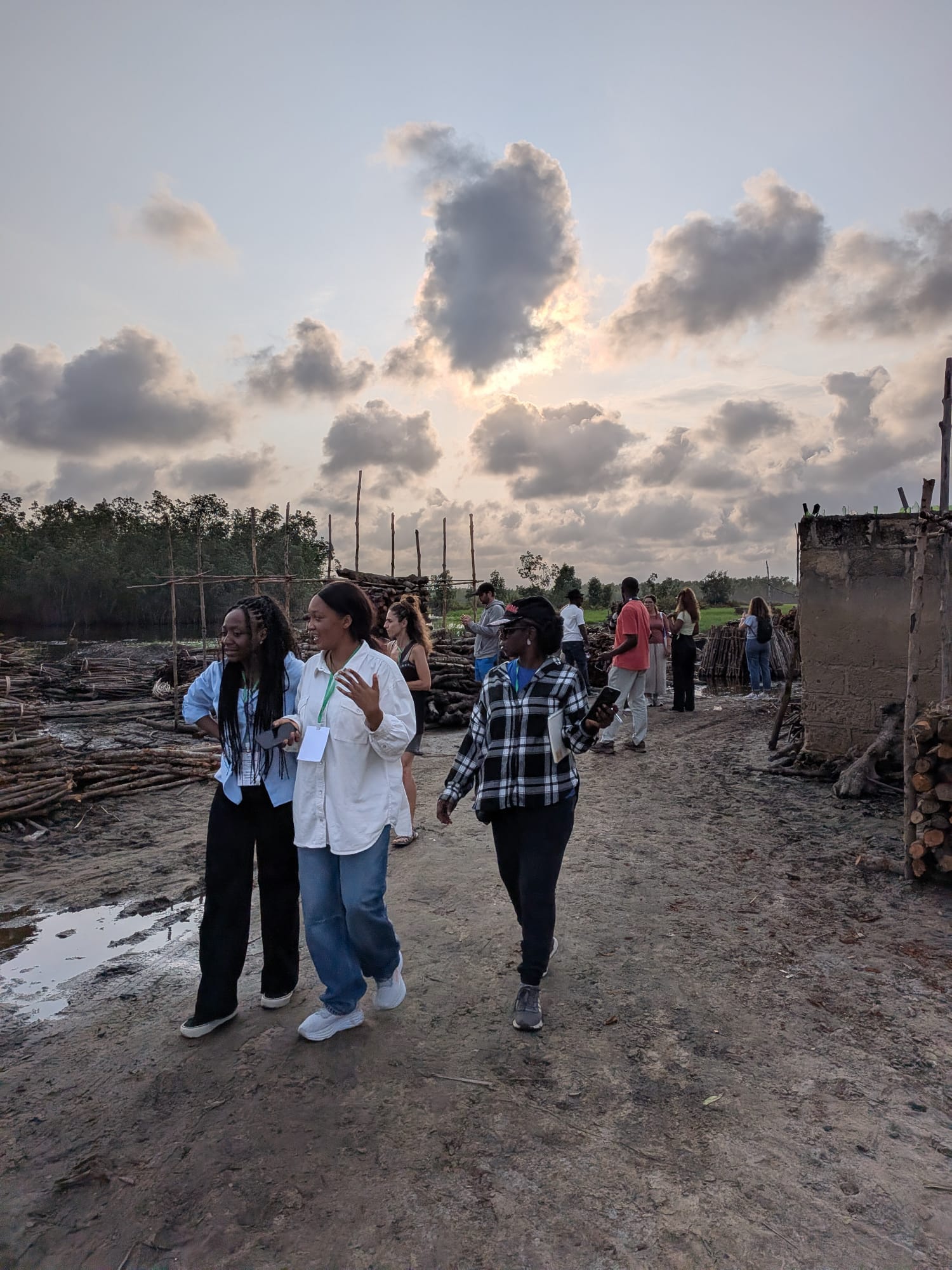
Nature-based solutions such as mangrove restoration and the establishment of community woodlots for alternative fuelwood are actively being implemented by community members in the Keta basin area. ALBATROSS is supporting the integration of climate services into the planning and management of these interventions, by developing reliable weather forecasts, seasonal outlooks, and climate projections which will help enhance these interventions to adapt to the climate hazards, which are being exacerbated due to climate change.
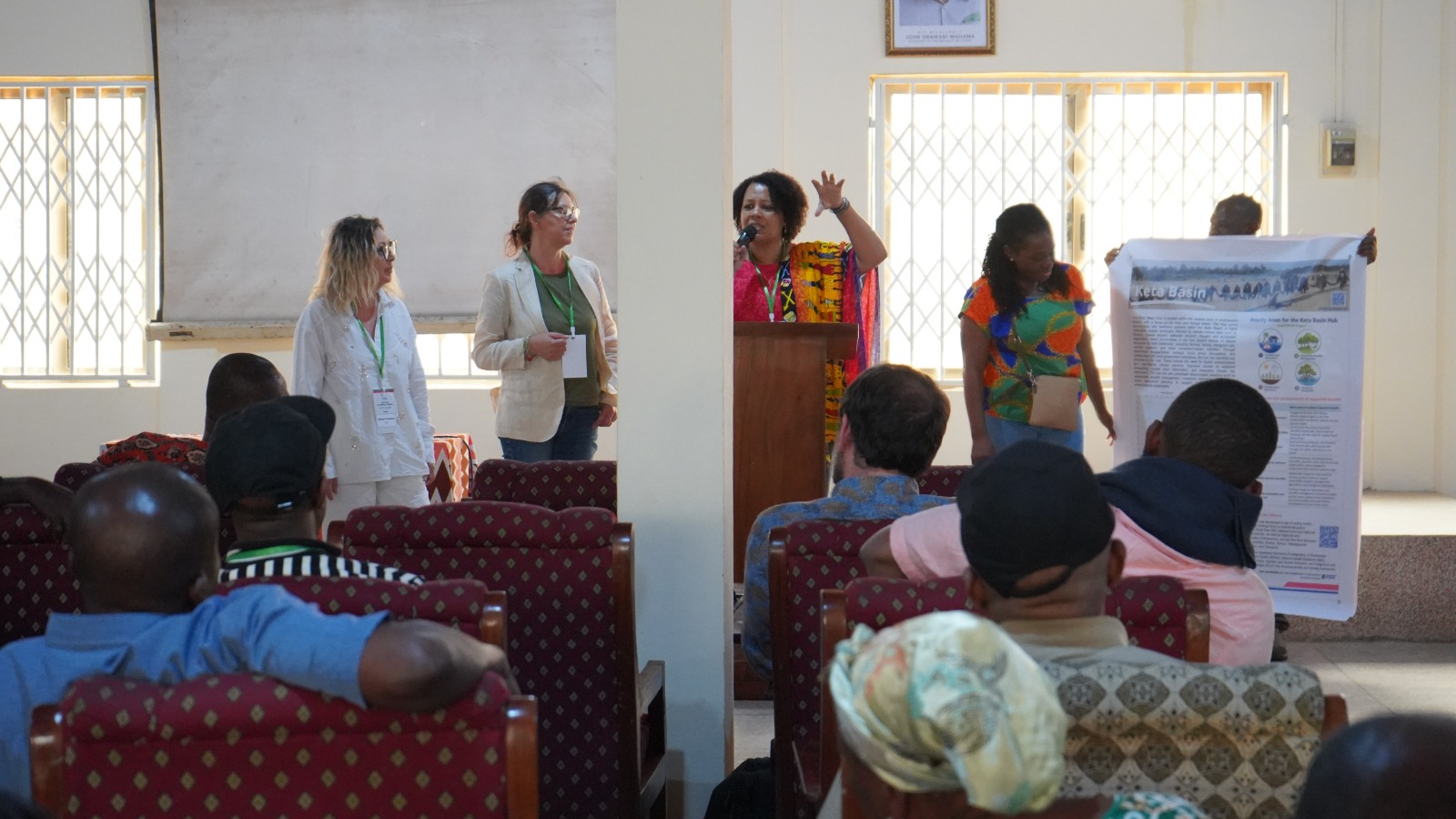
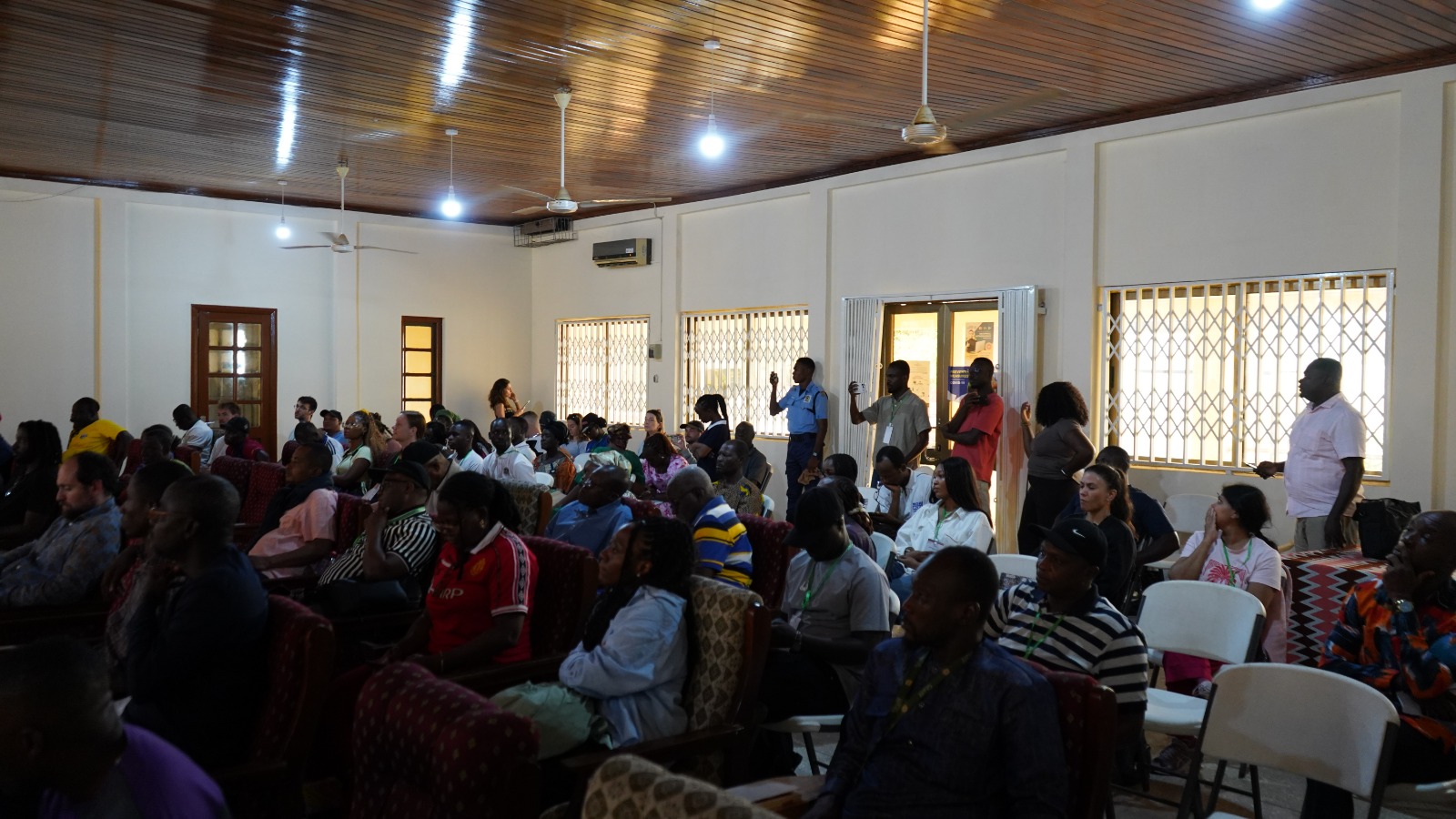
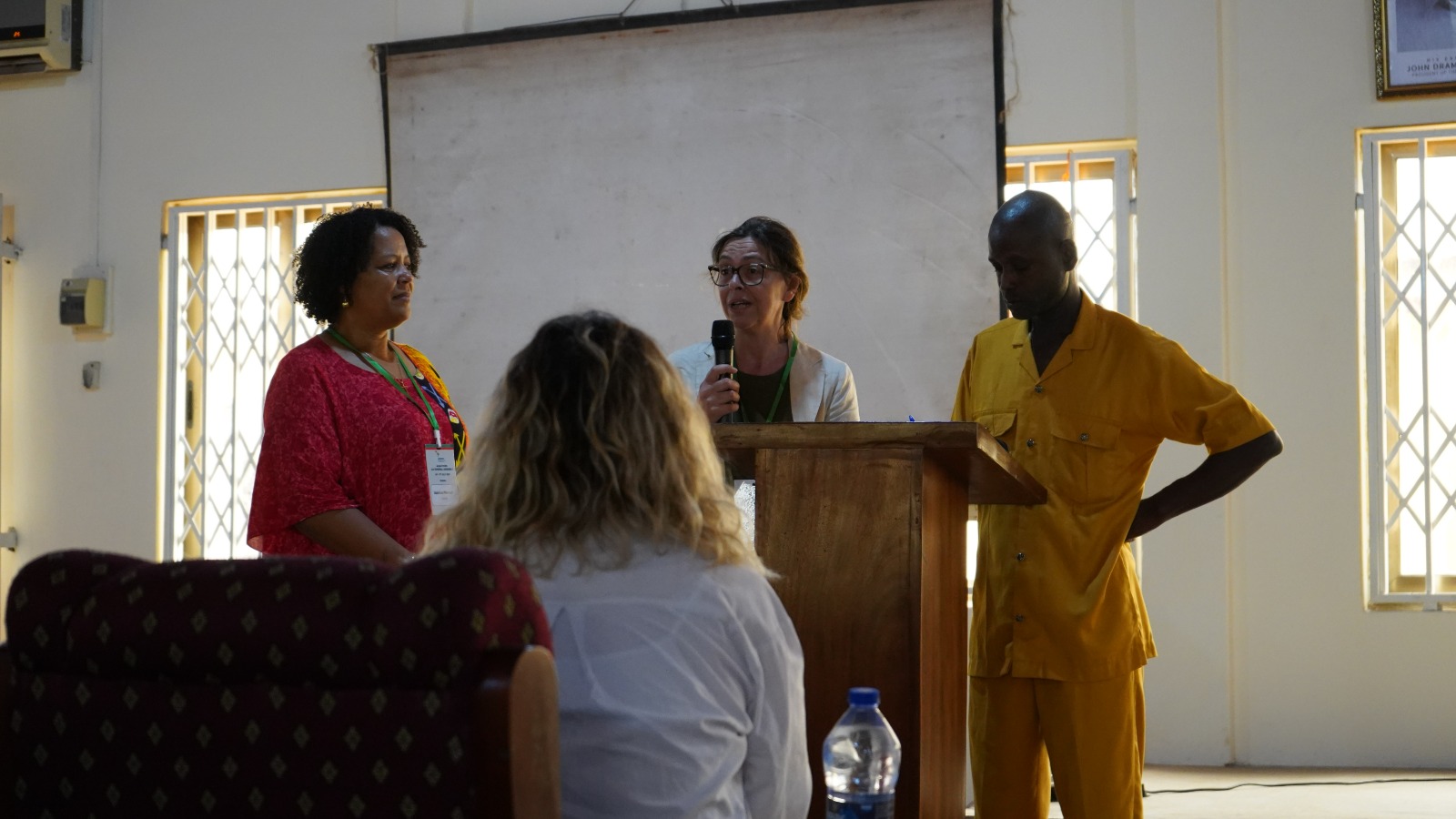
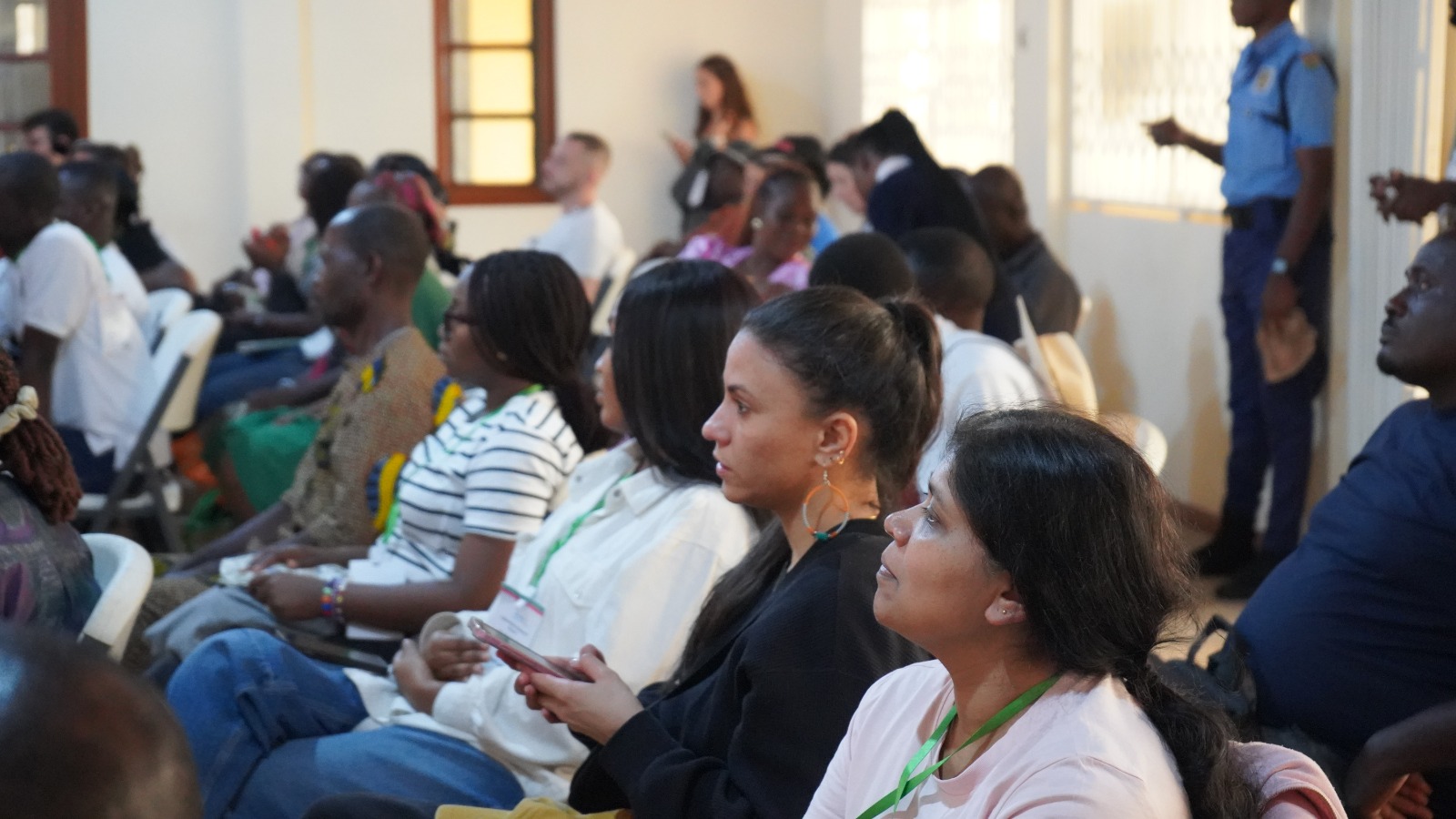
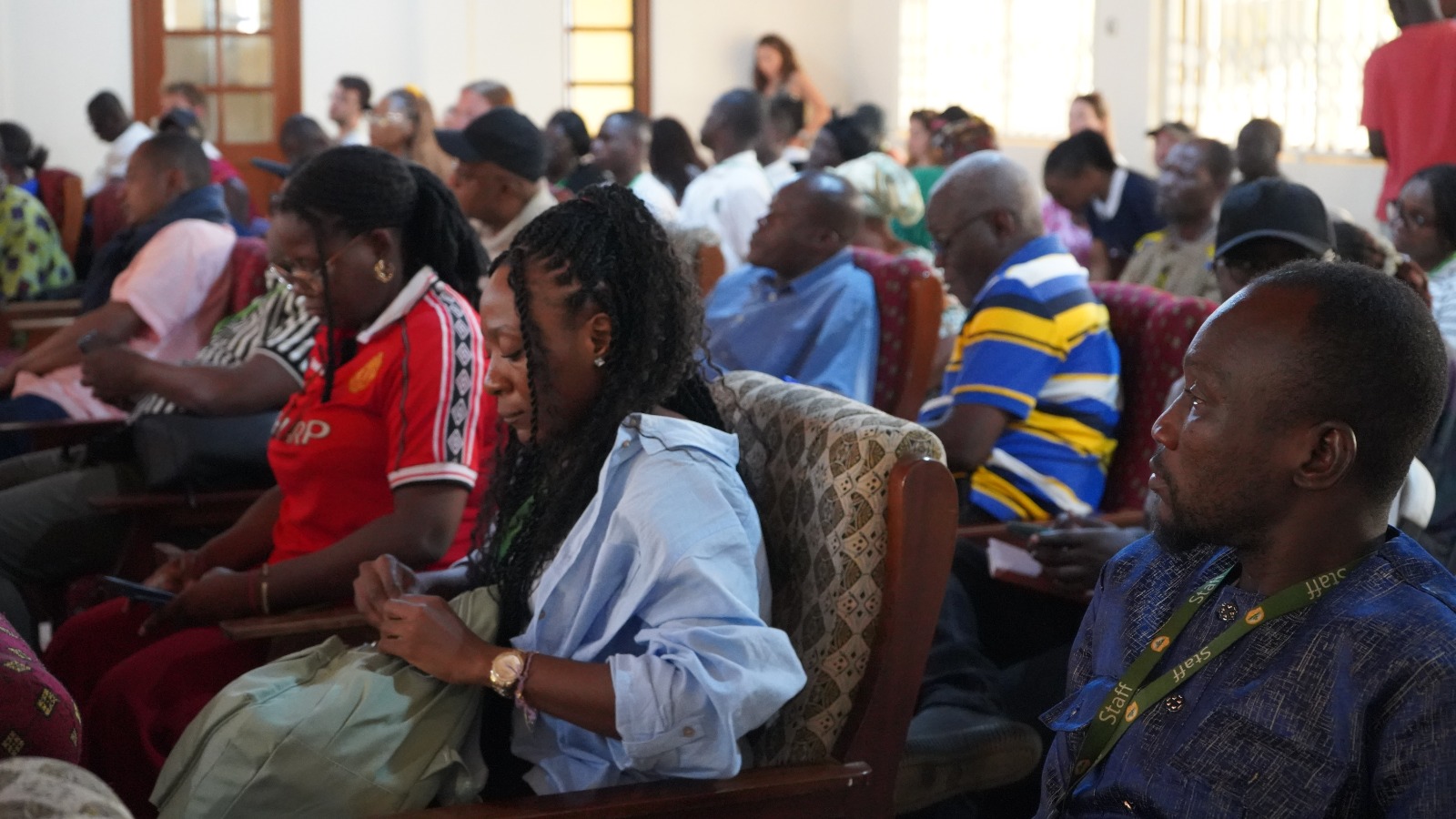
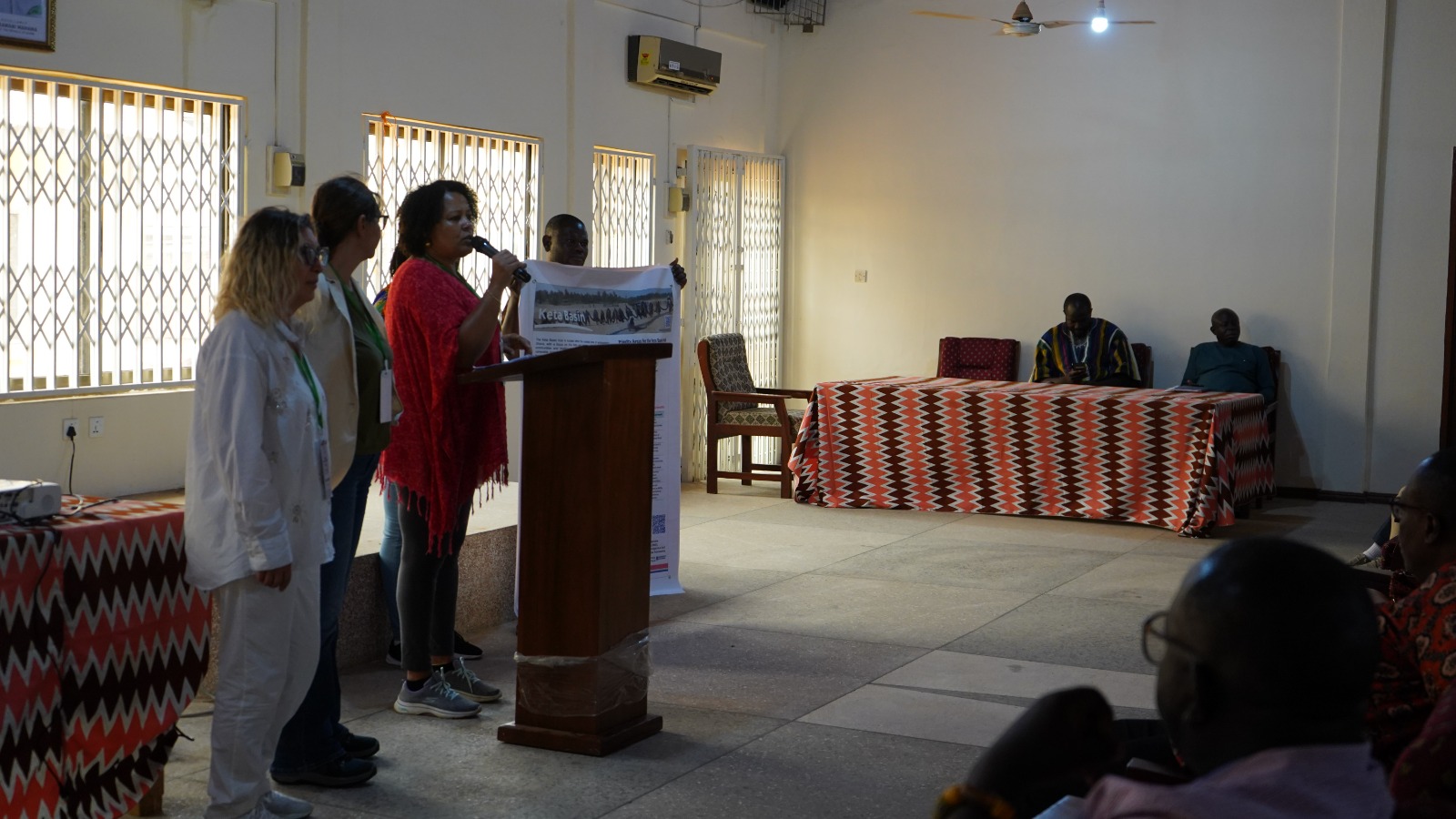
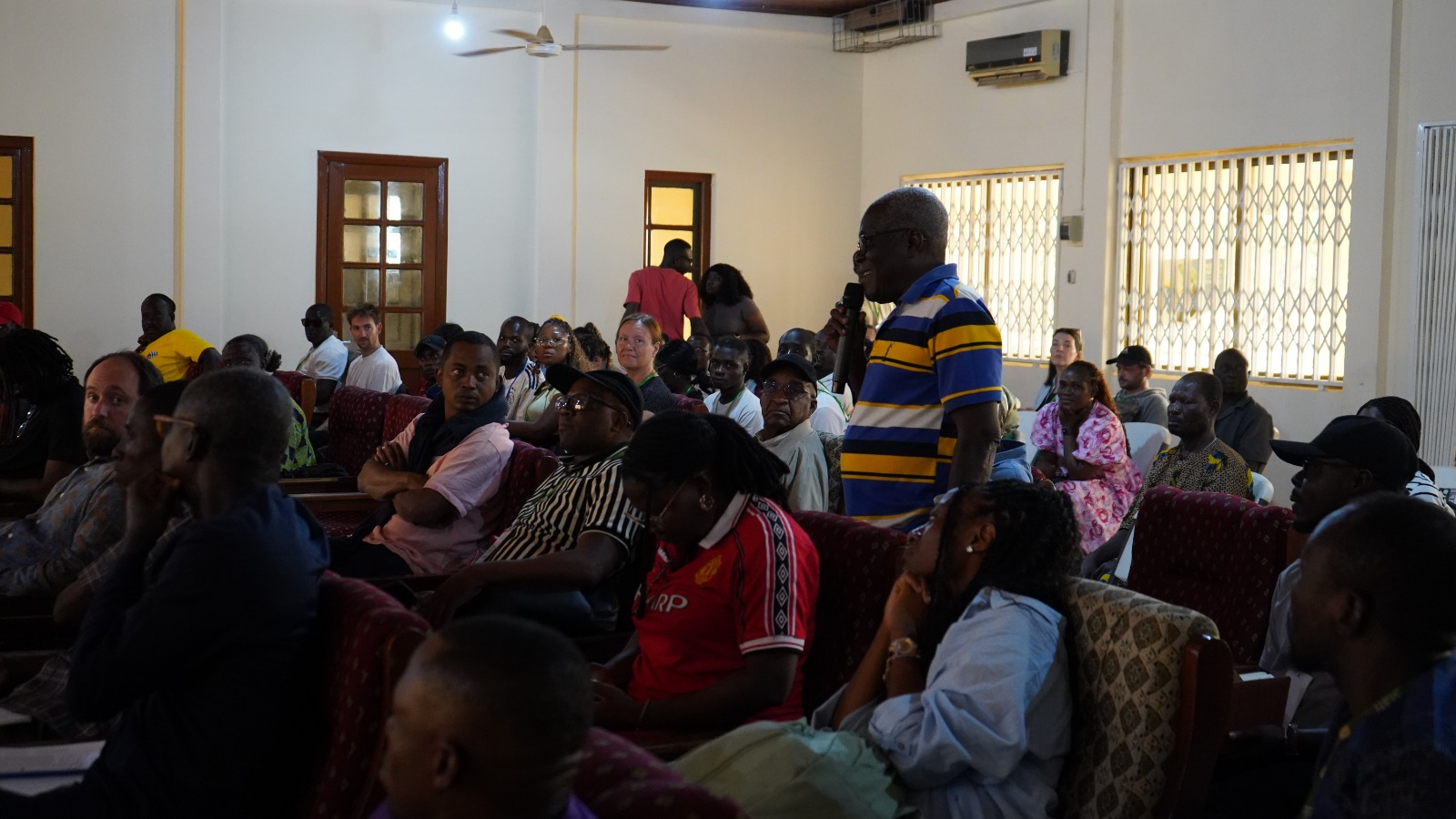
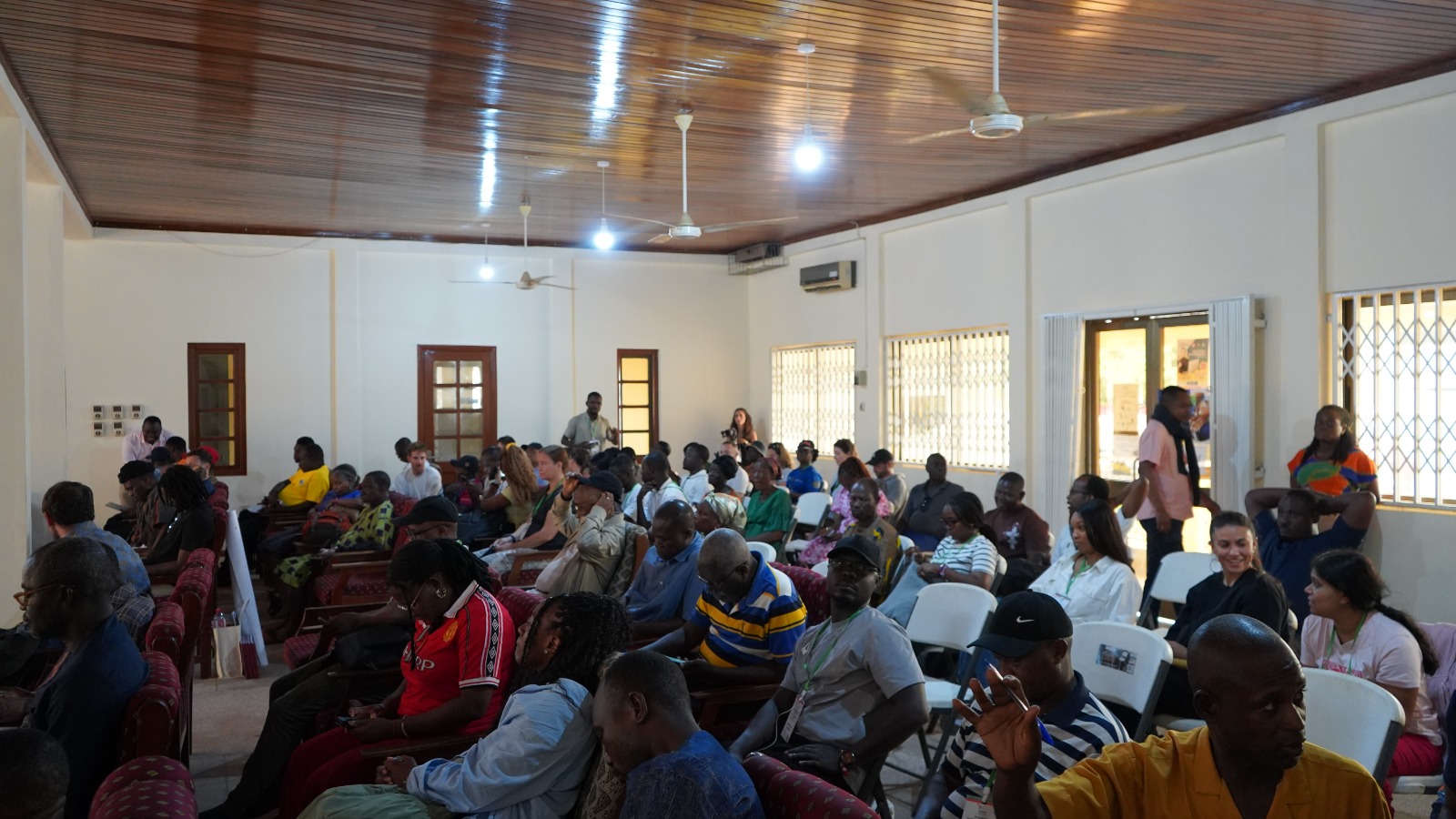
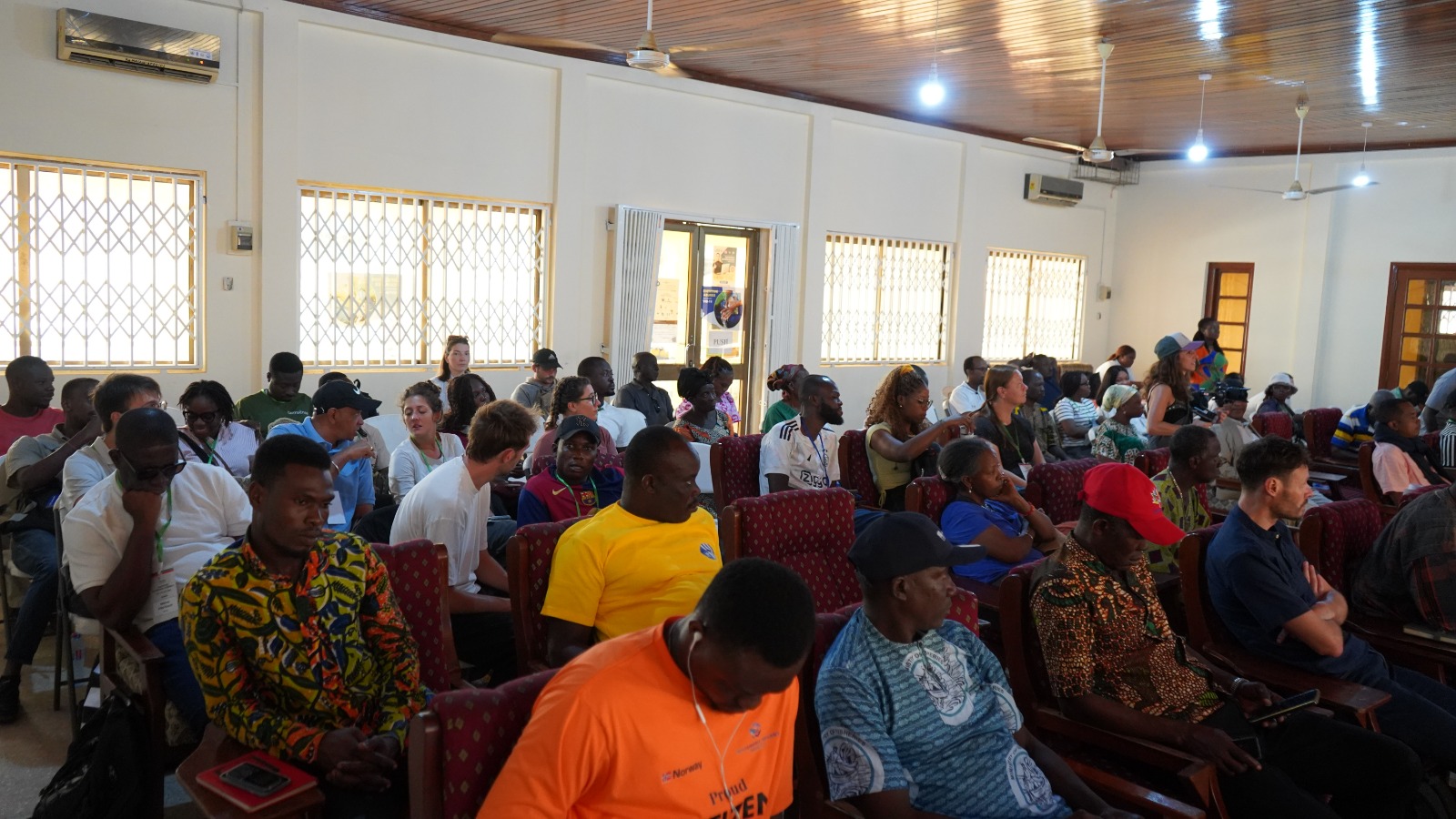
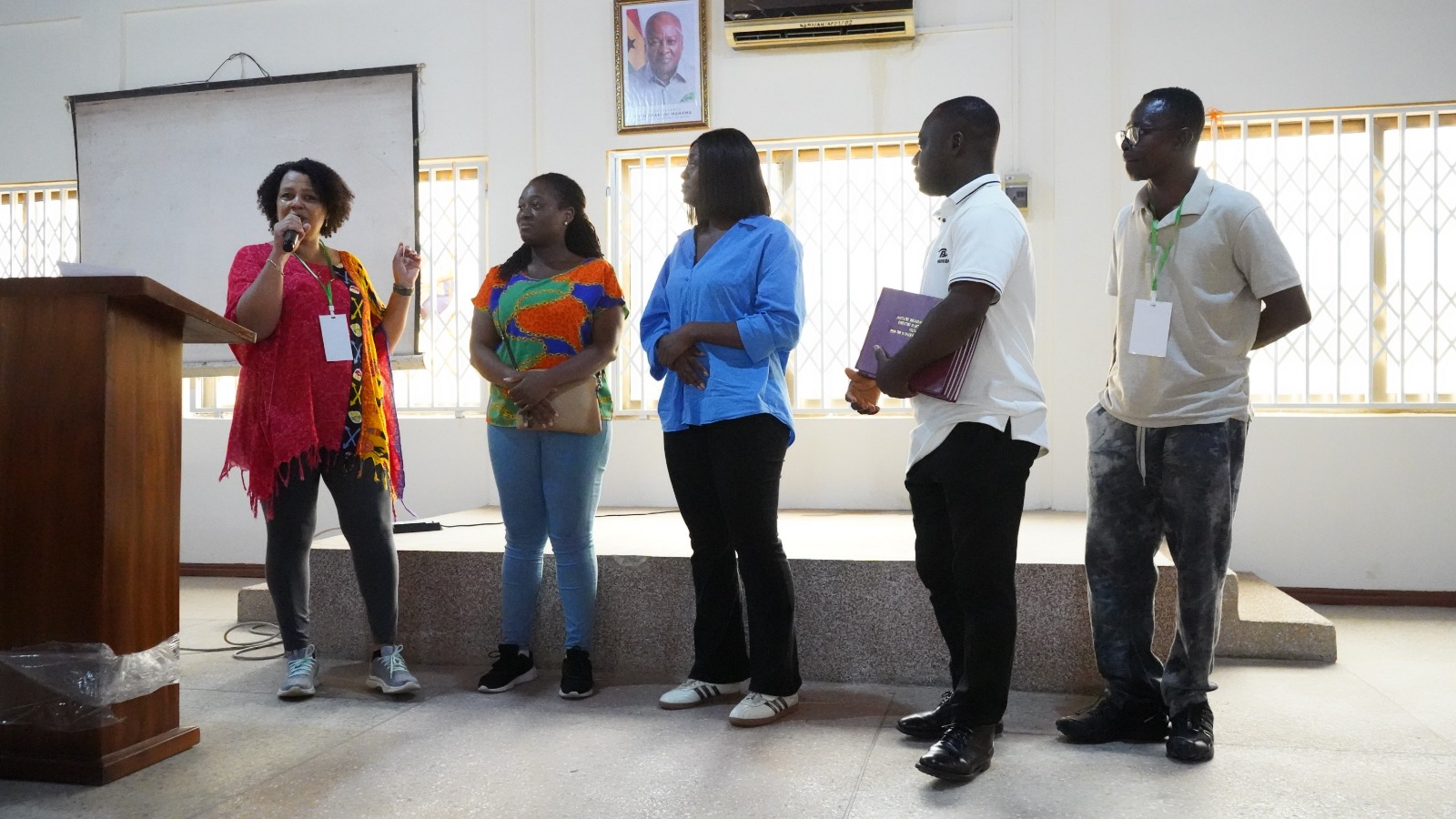
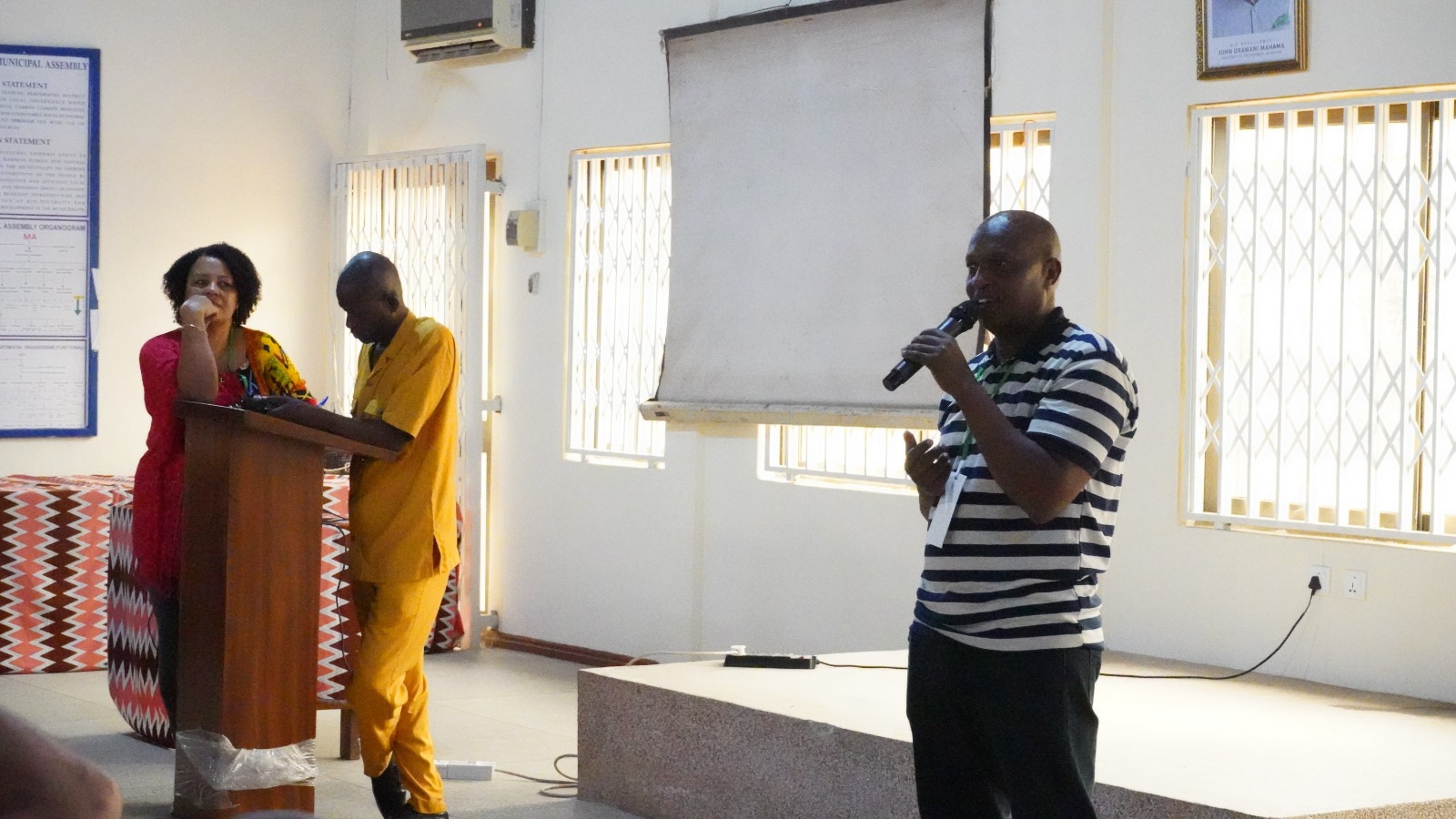
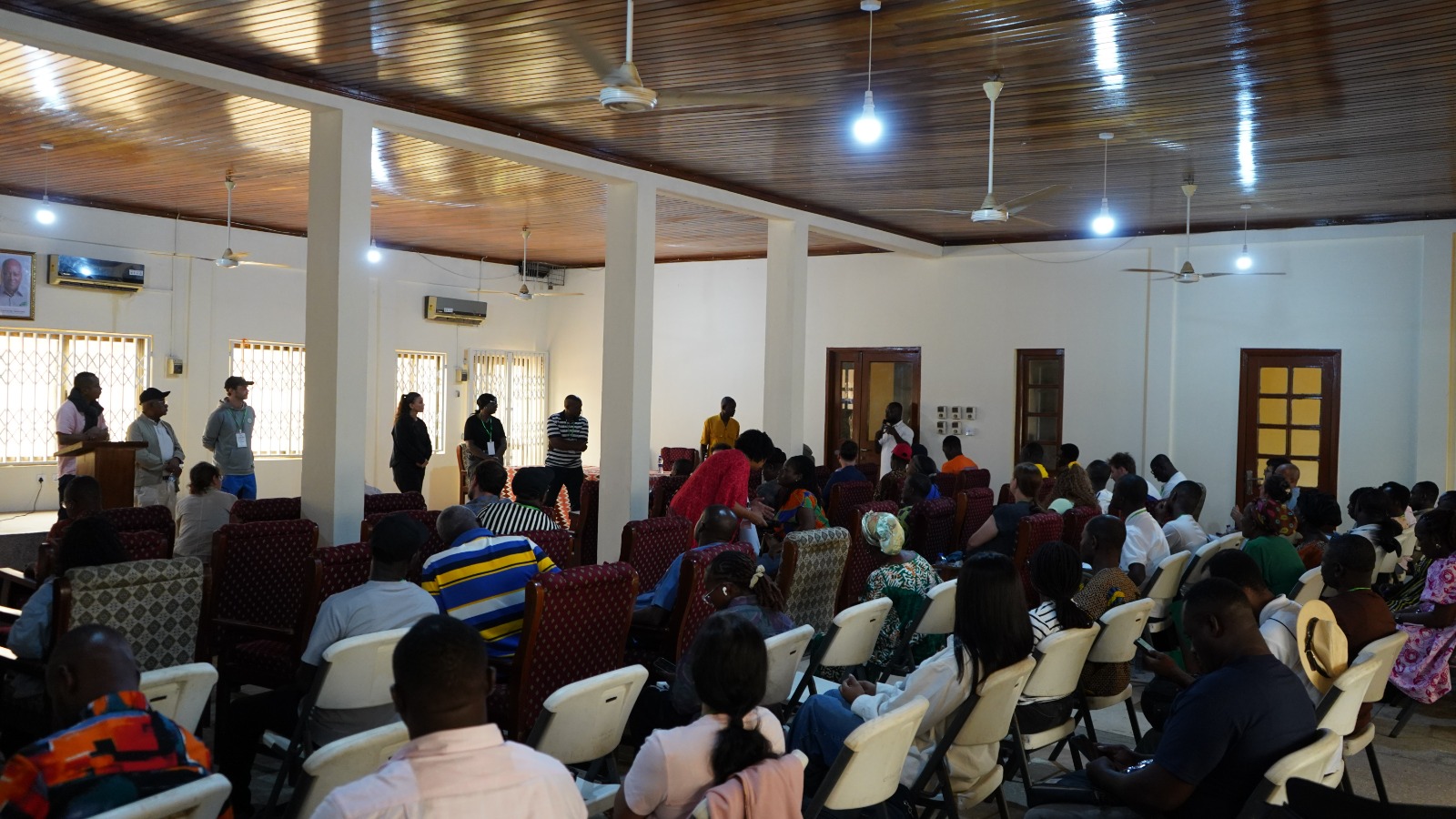
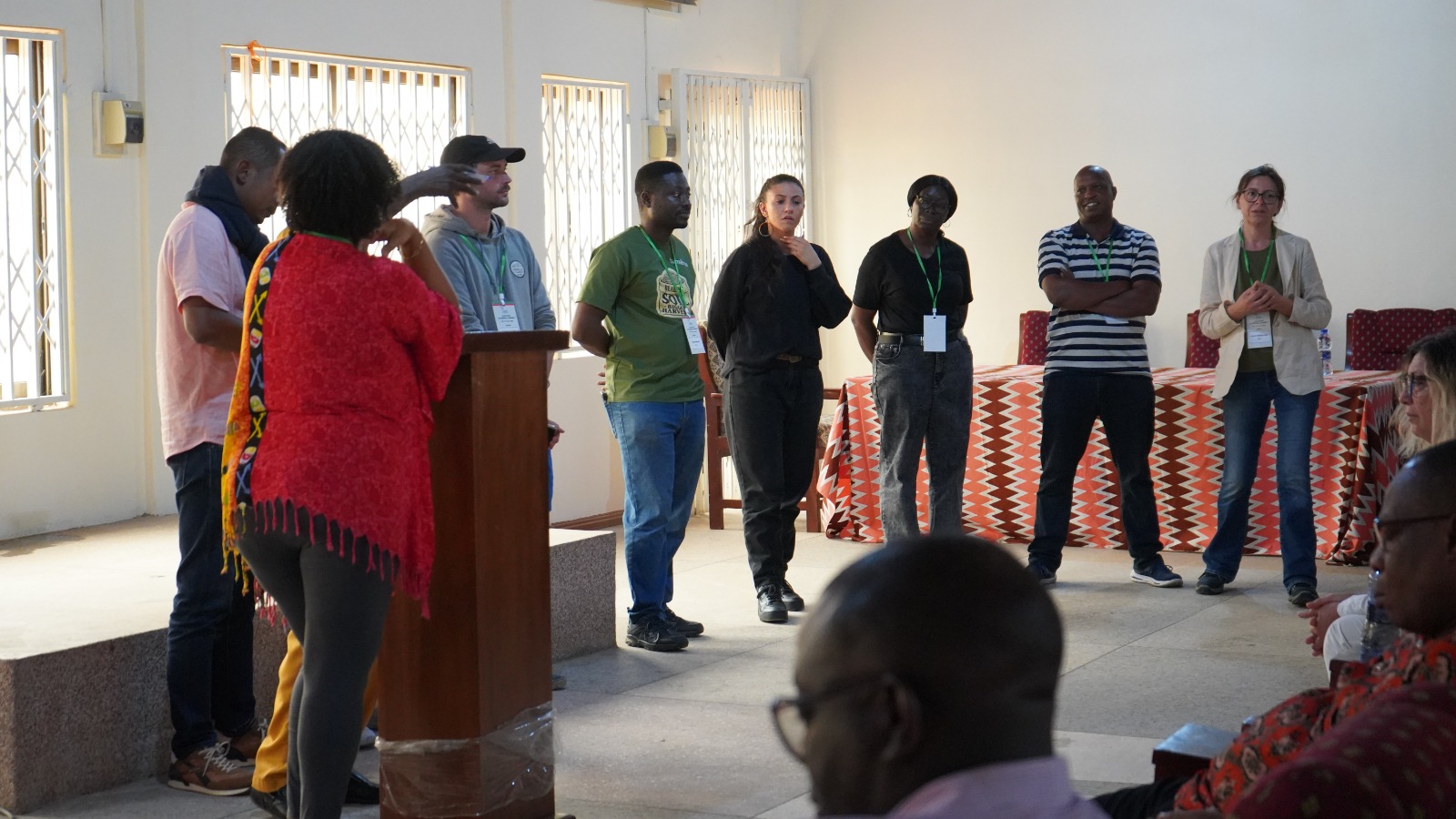
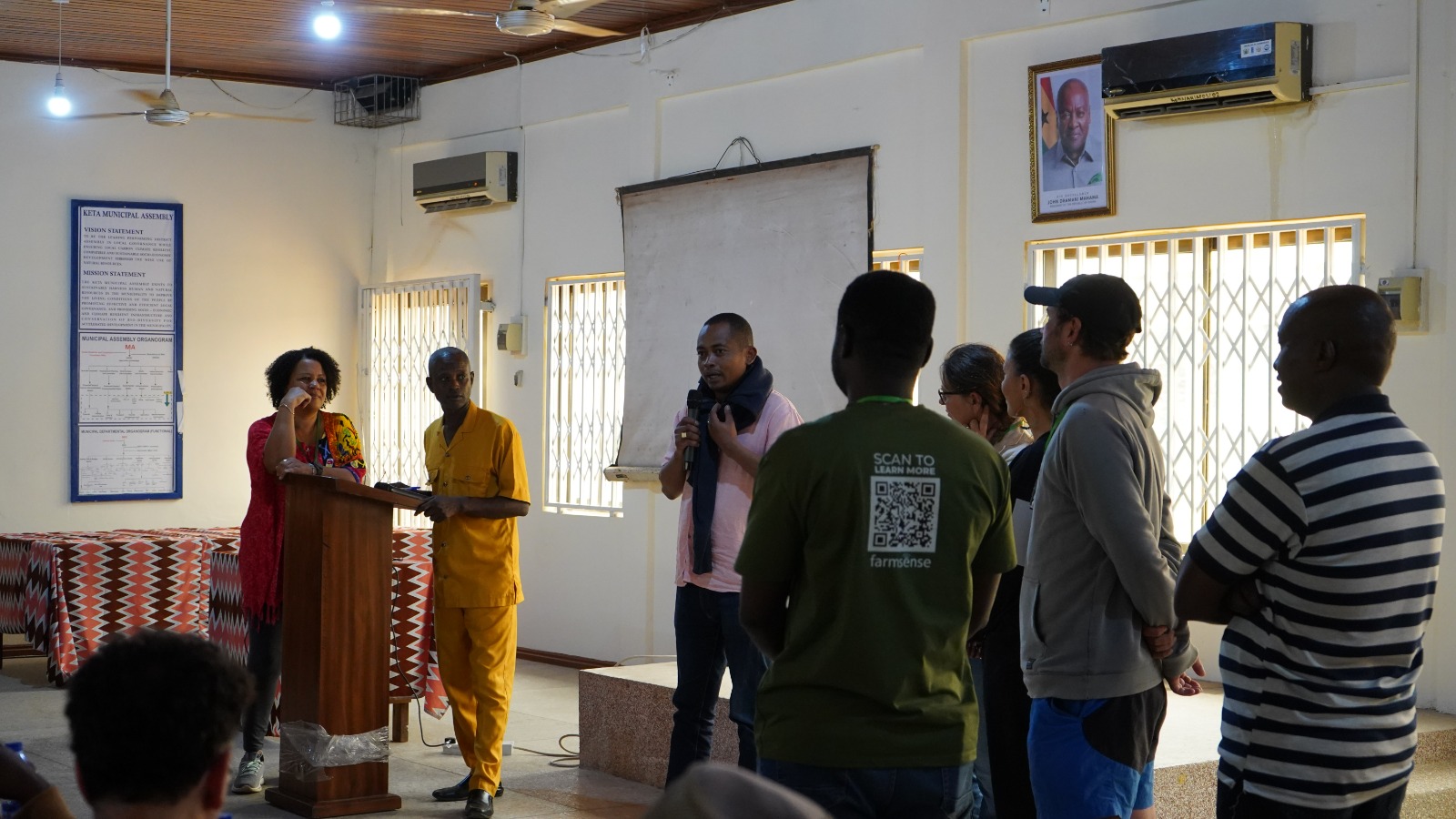
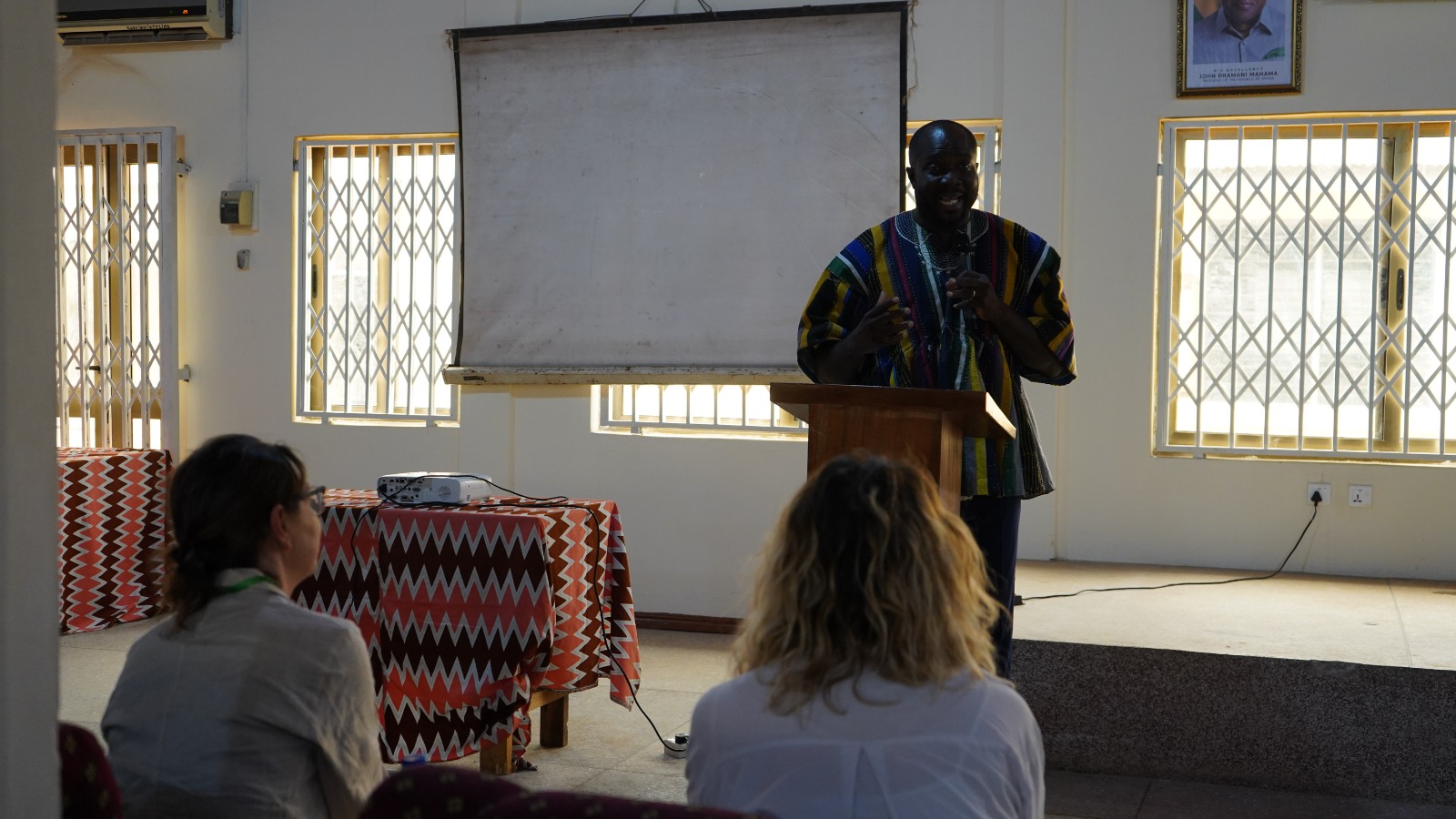
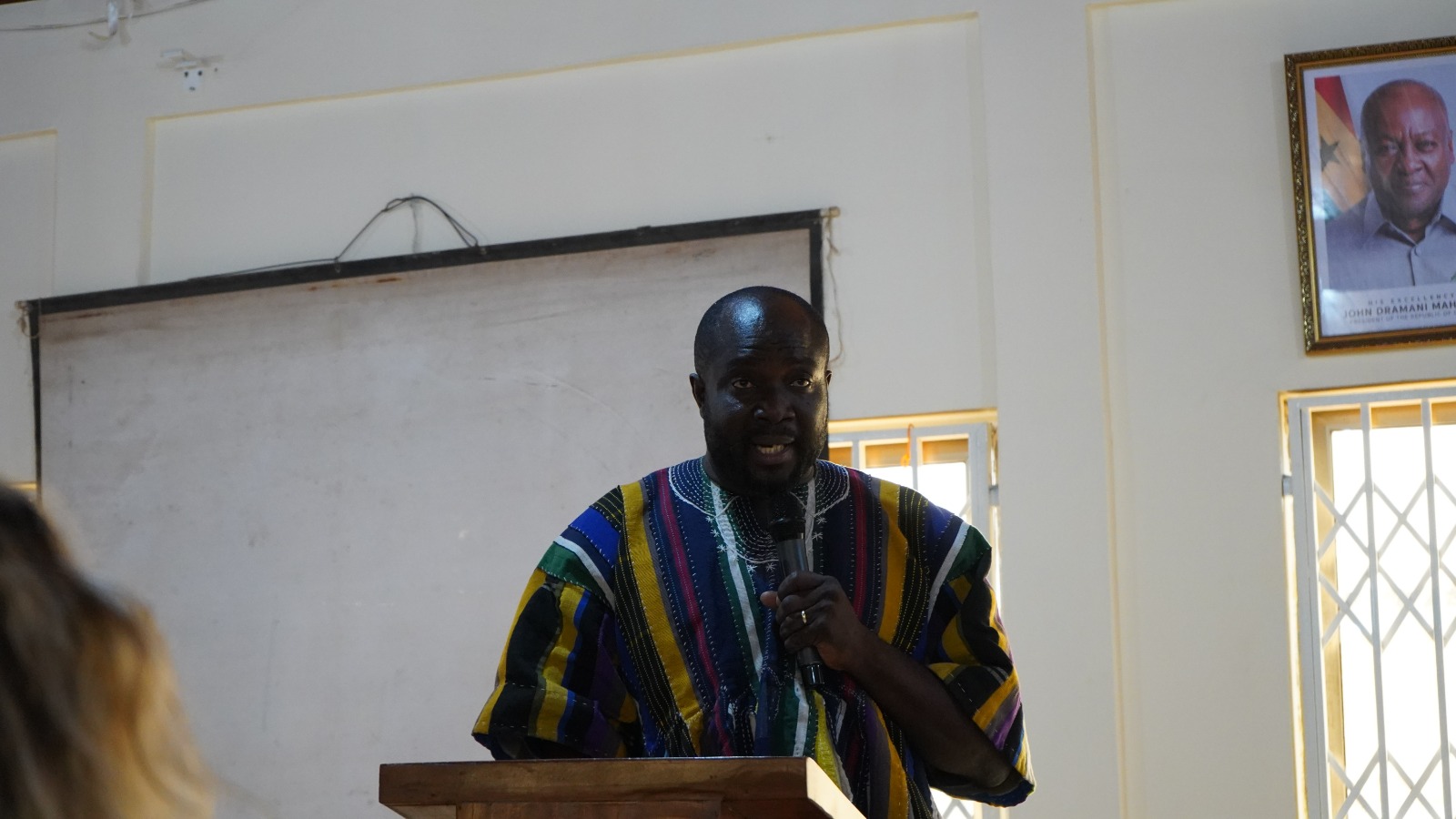
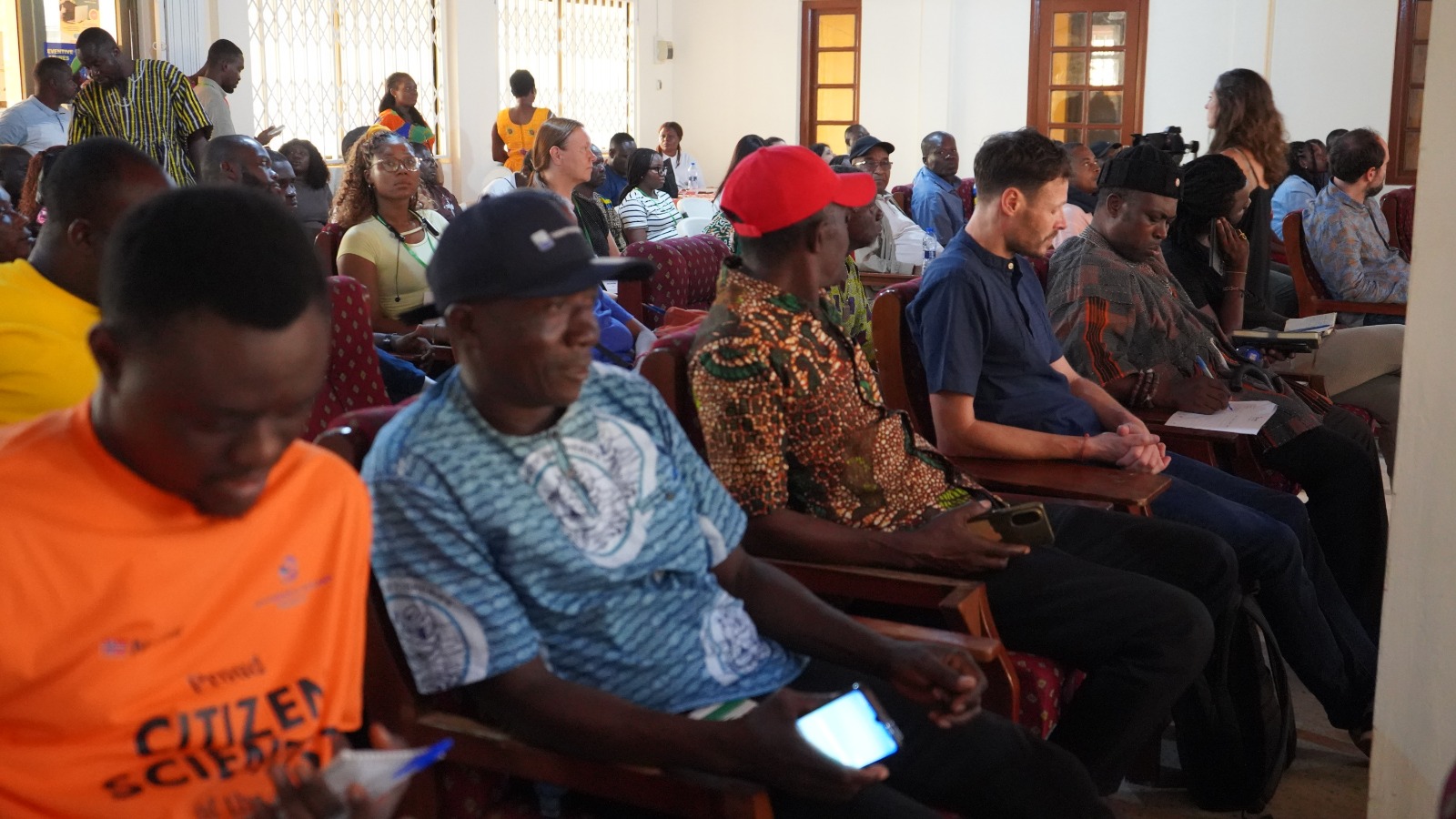
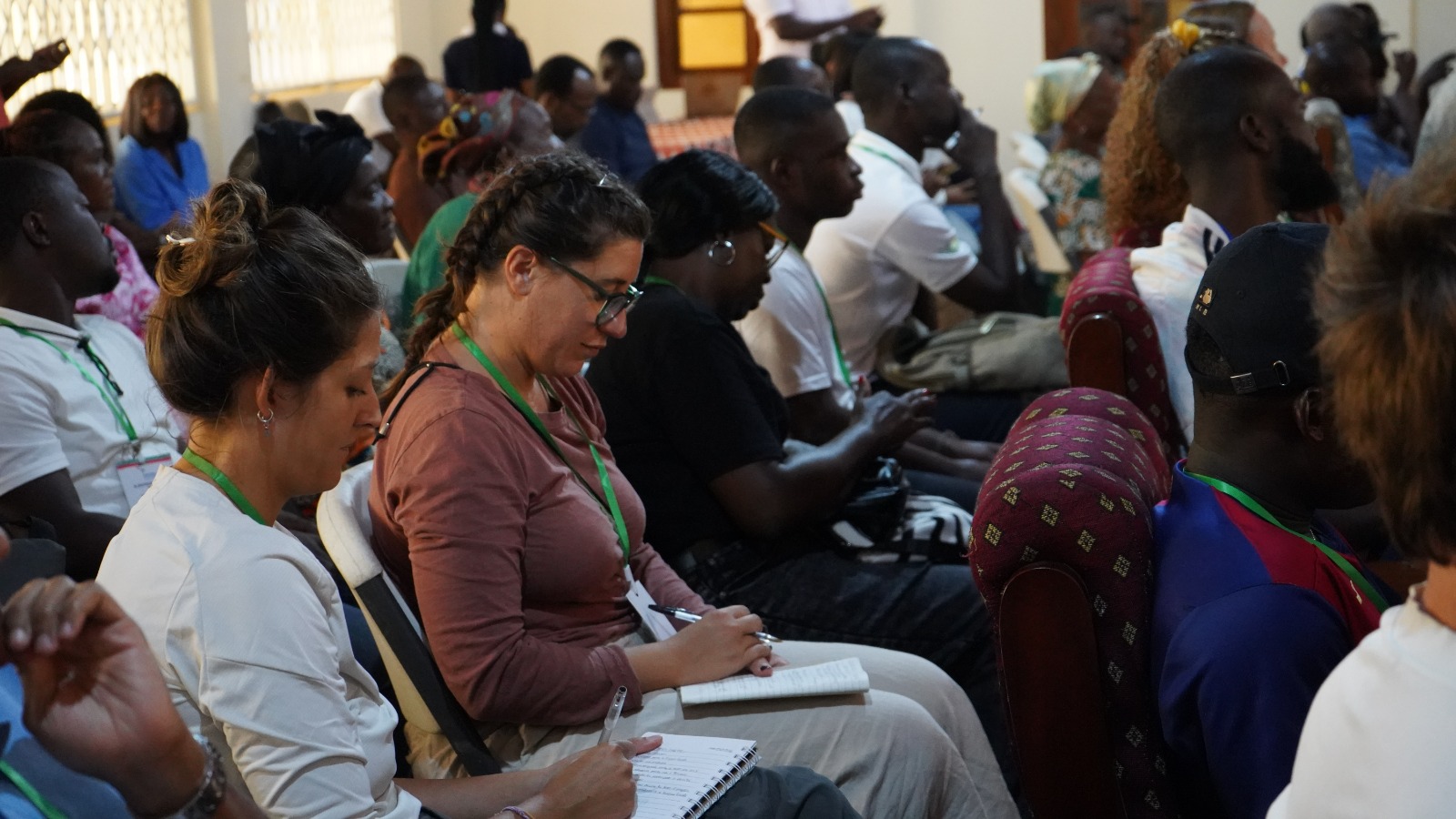
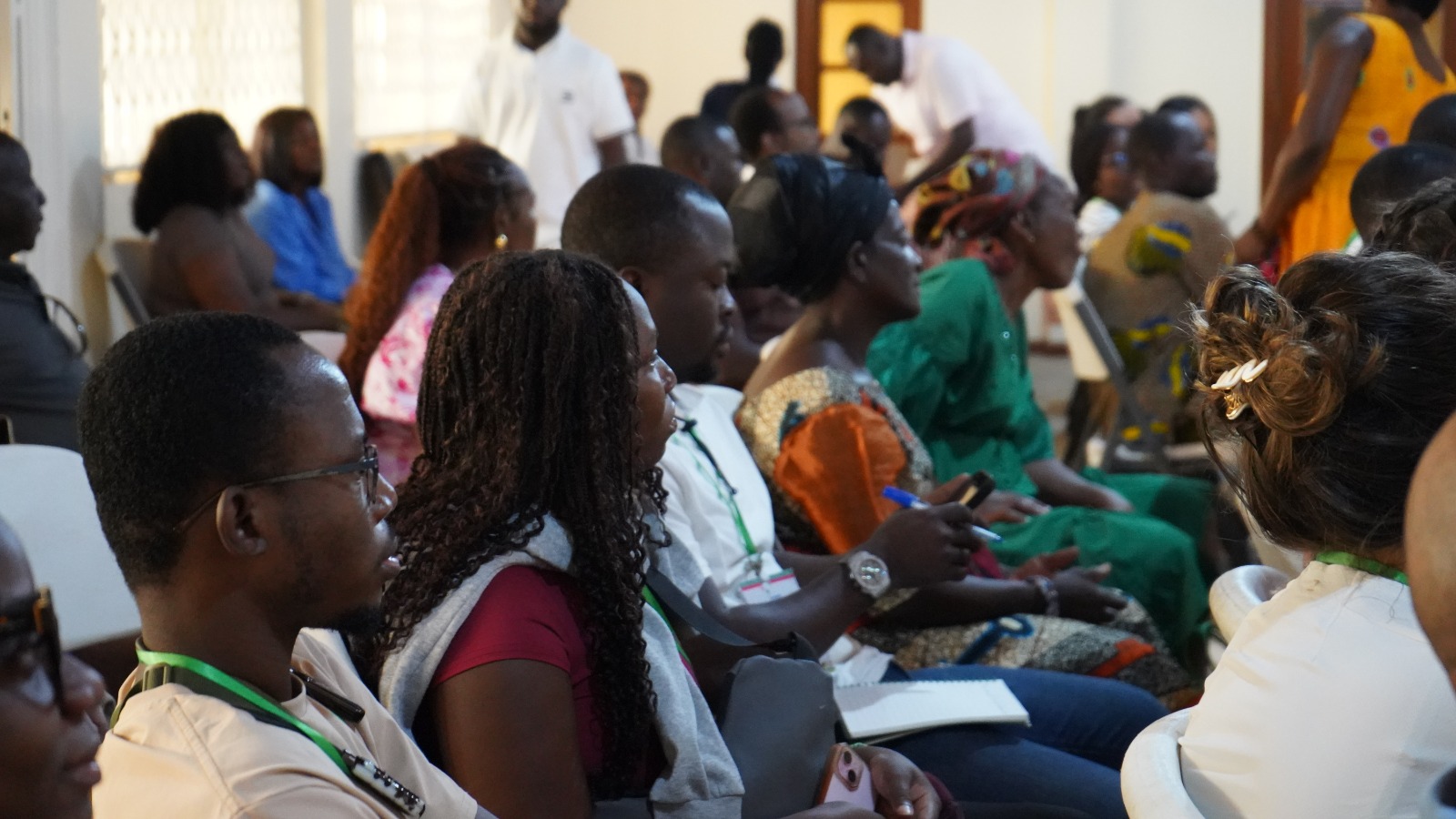
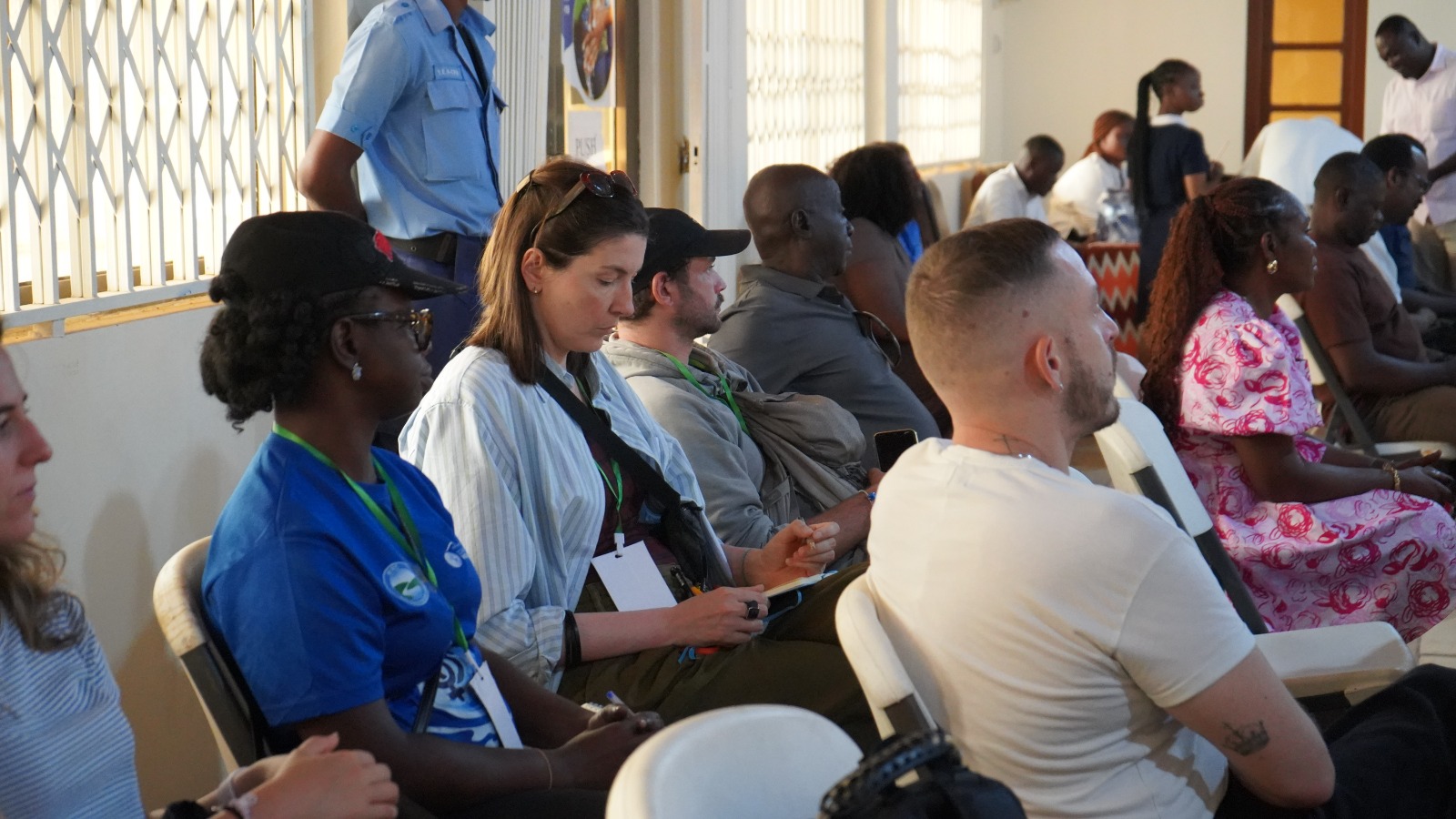
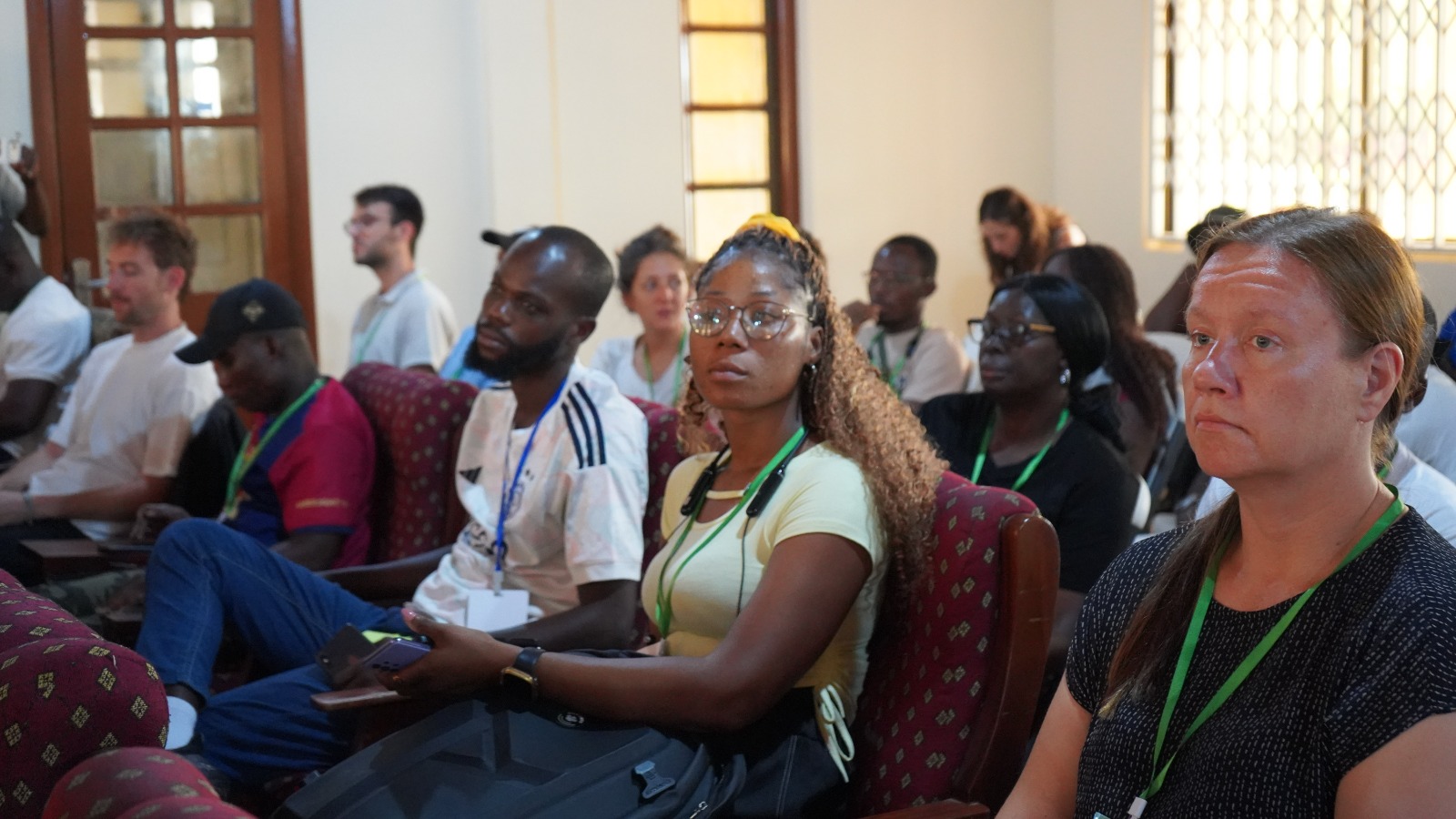
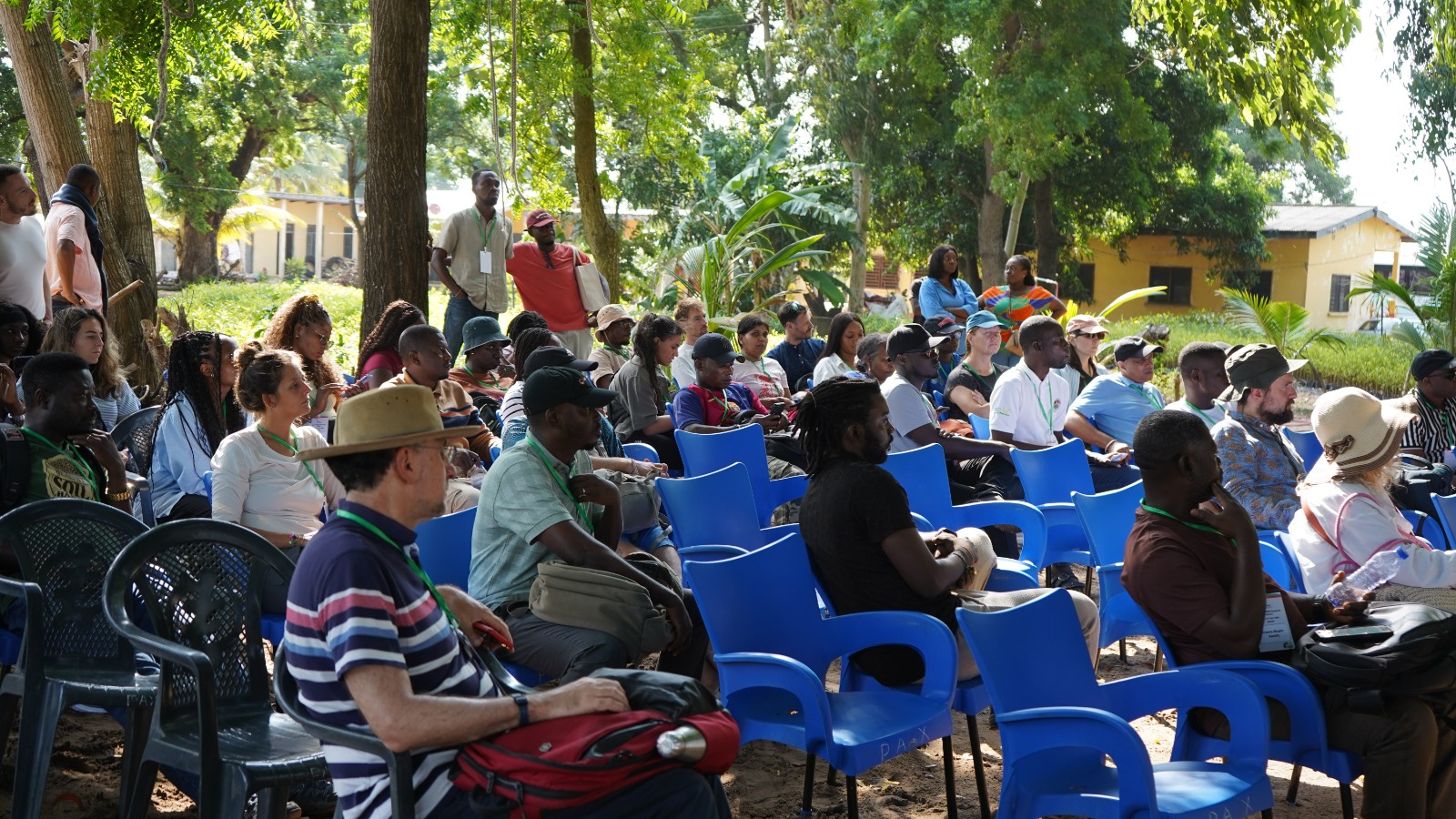
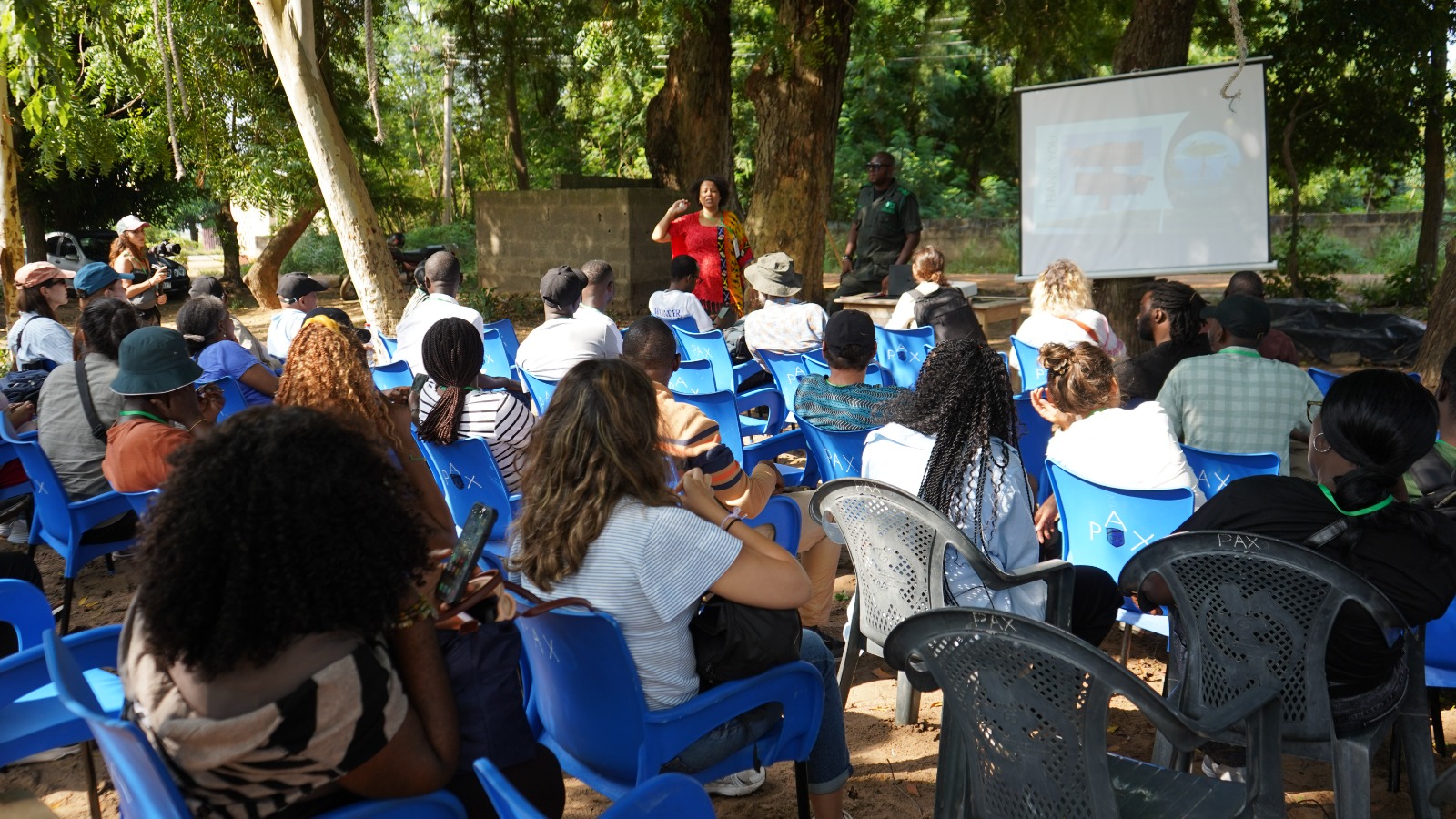
During the stakeholder meeting, which was attended by the Municipal Chief Executive Honorable Wisdom Seade and guided by Mr. Freedom Vistashie, Information Officer at the Information Services Department at Keta, was attended by around 90 people, including ALBATROSS partners, students at the Research School, officials at different levels and stakeholders. The ALBATROSS project was presented, along with the toolkits developed in the project and the Keta Bibliography, the collection of the abstracts including all the pieces of research carried out within the University of Ghana. Interesting discussions took place among the participants, in which ways of information sharing between researchers and local stakeholders were explored, as well as the needs of the latter noted.
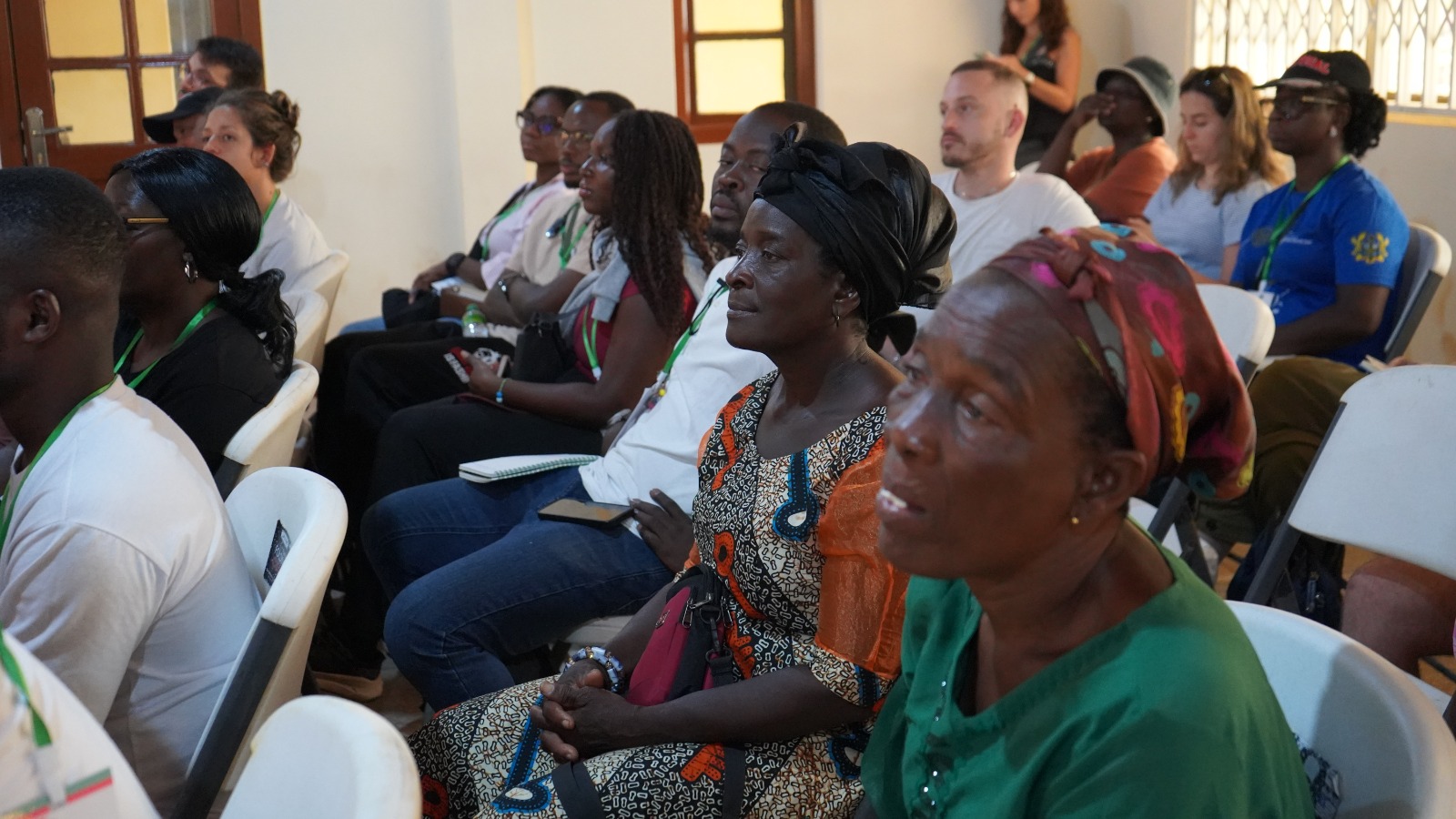
After this visit, forum group discussions took place with the more than 20 stakeholders who joined the project group, including farmers, fishermen, industry workers, NGO representatives, and traditional leaders. The aim of this meeting was to increase the understanding of community needs so as to develop training modules, toolkits, and opportunity for investments tailored to them.
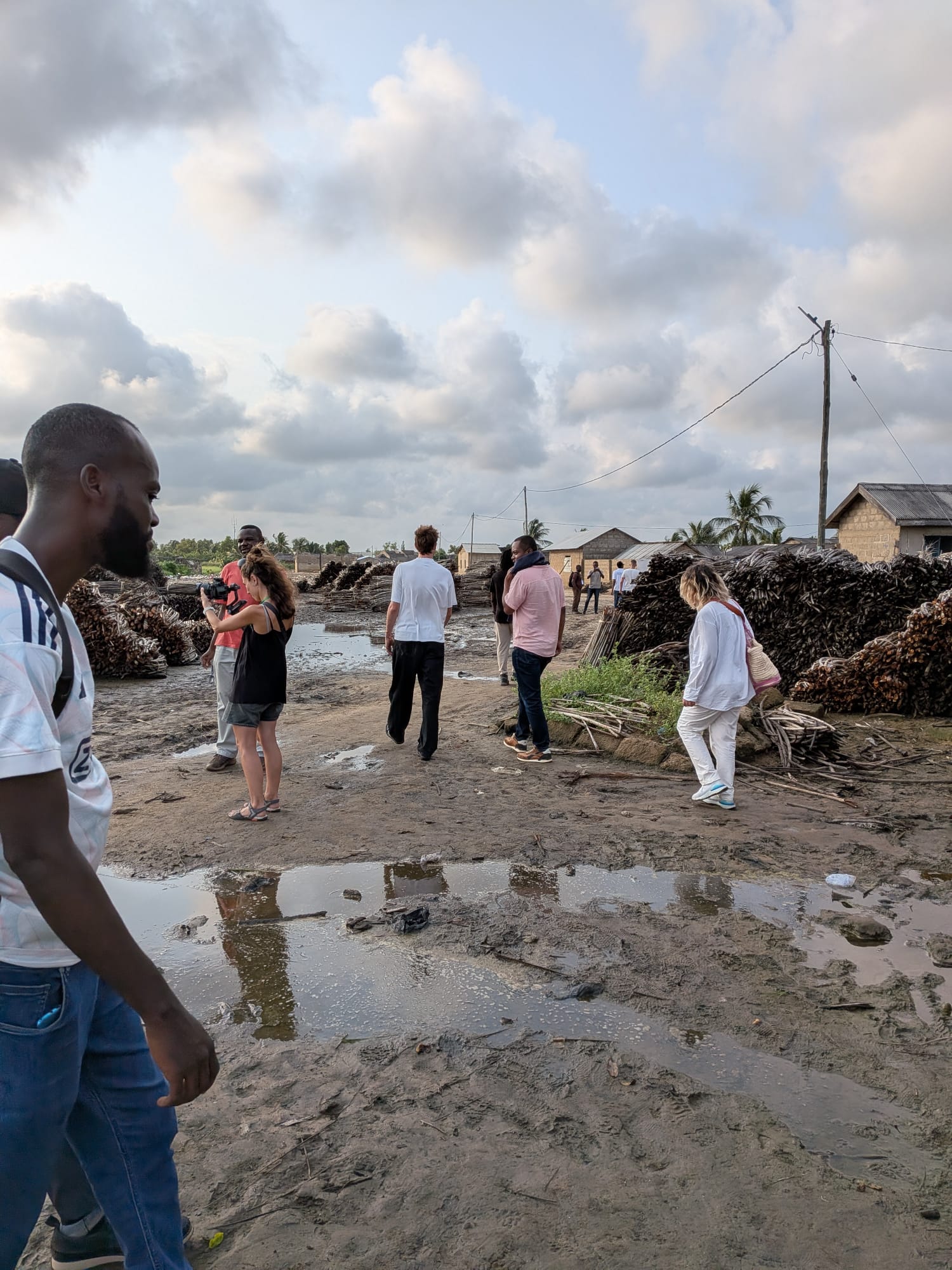
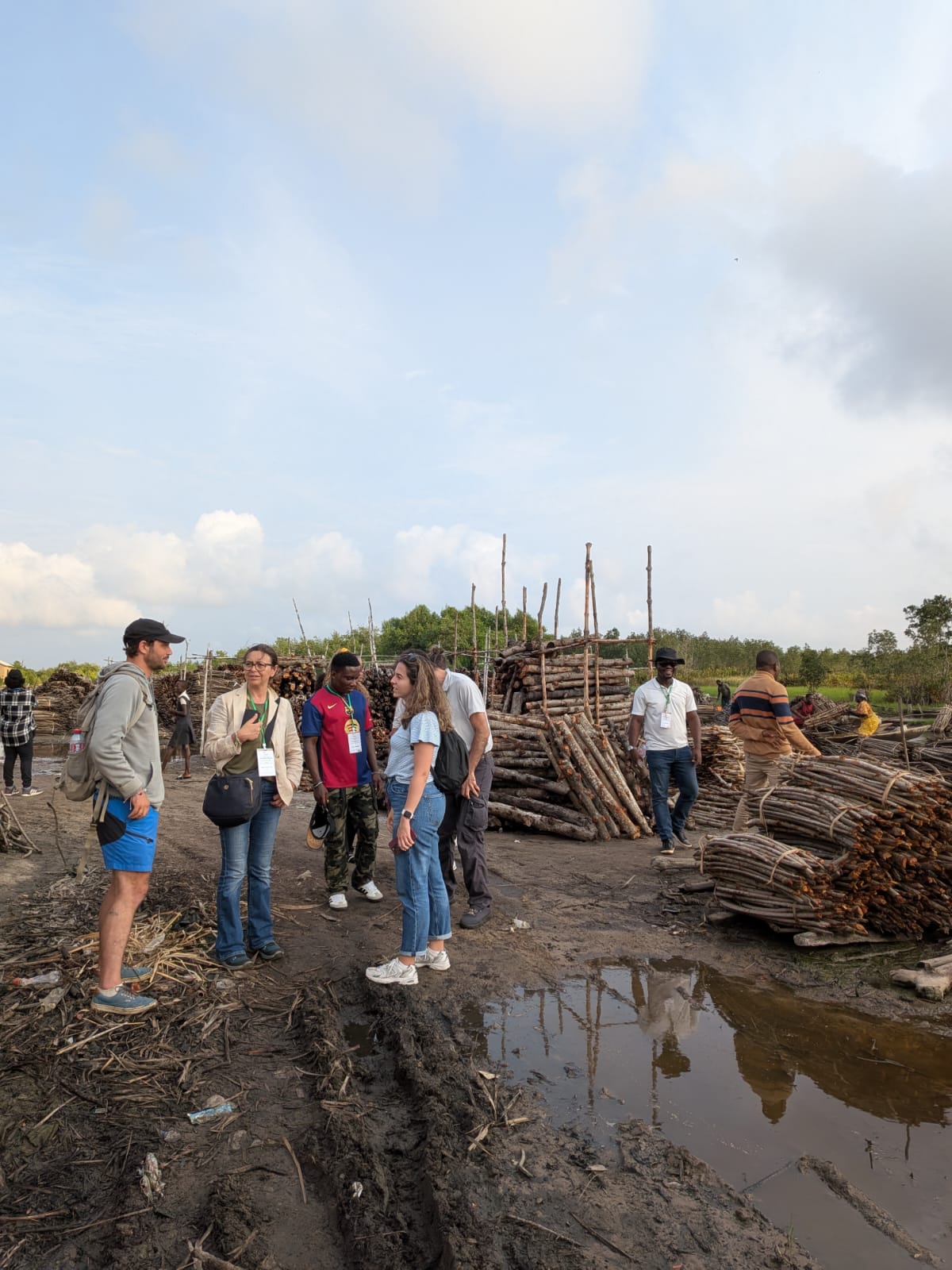
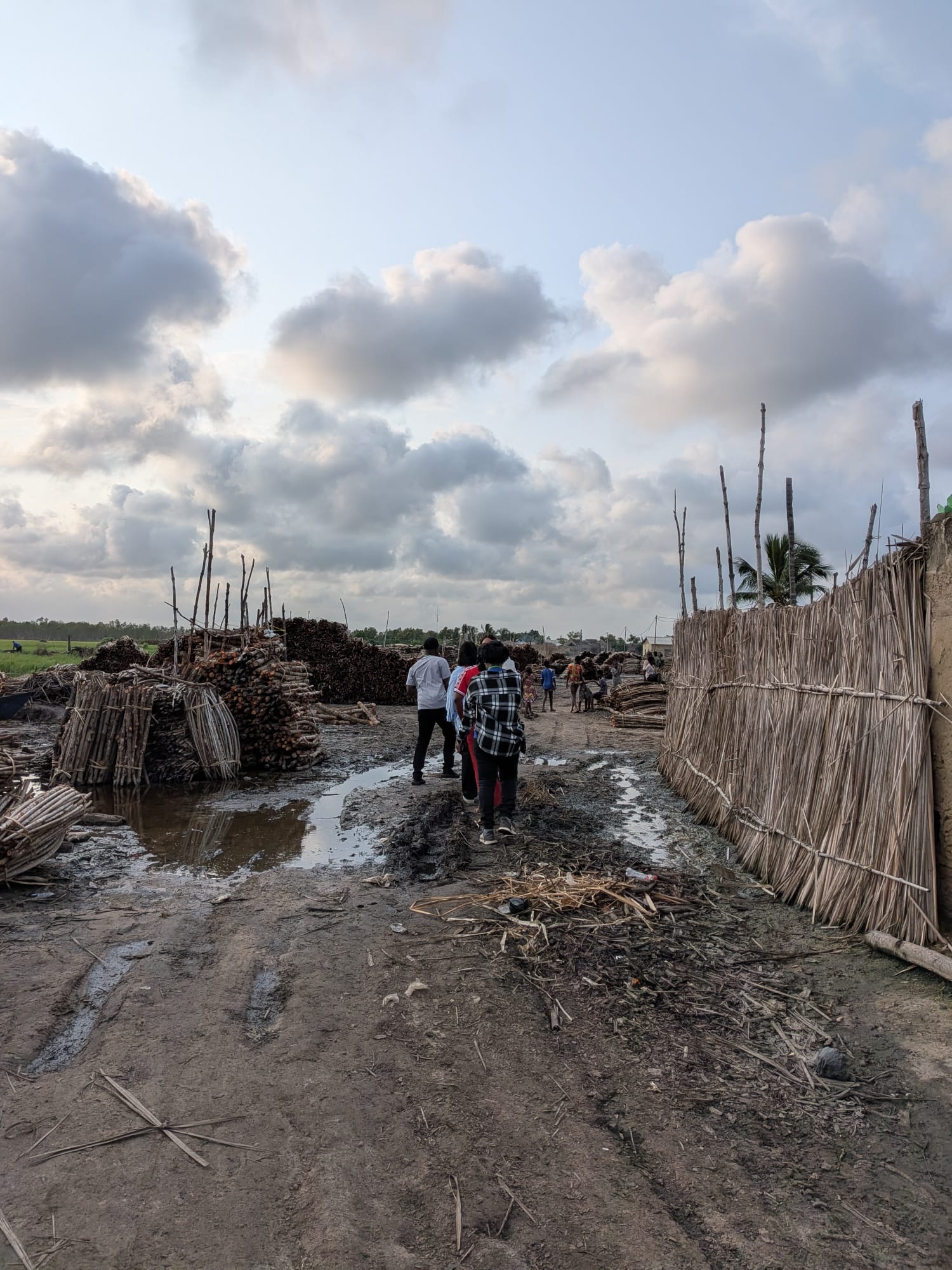
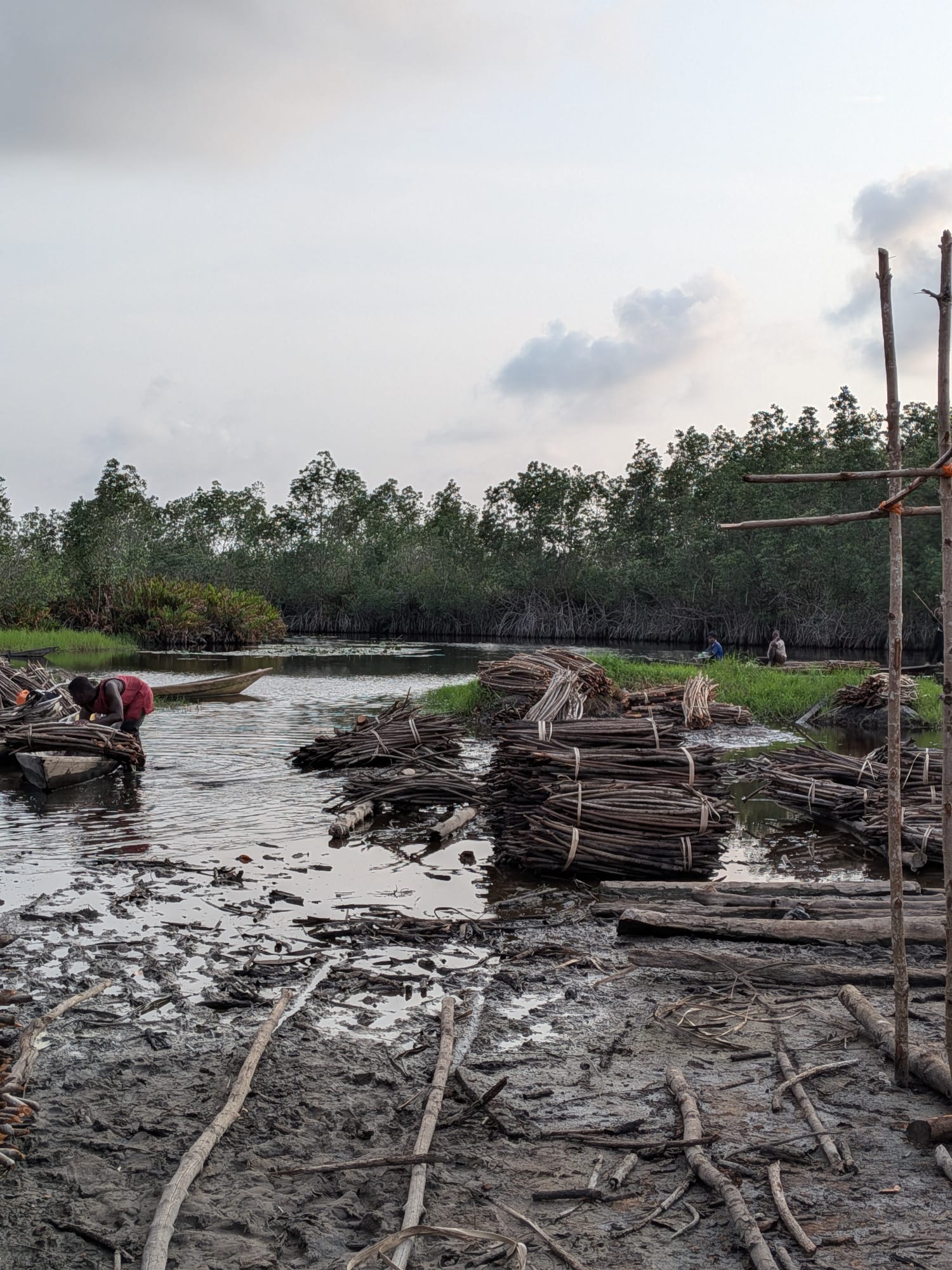
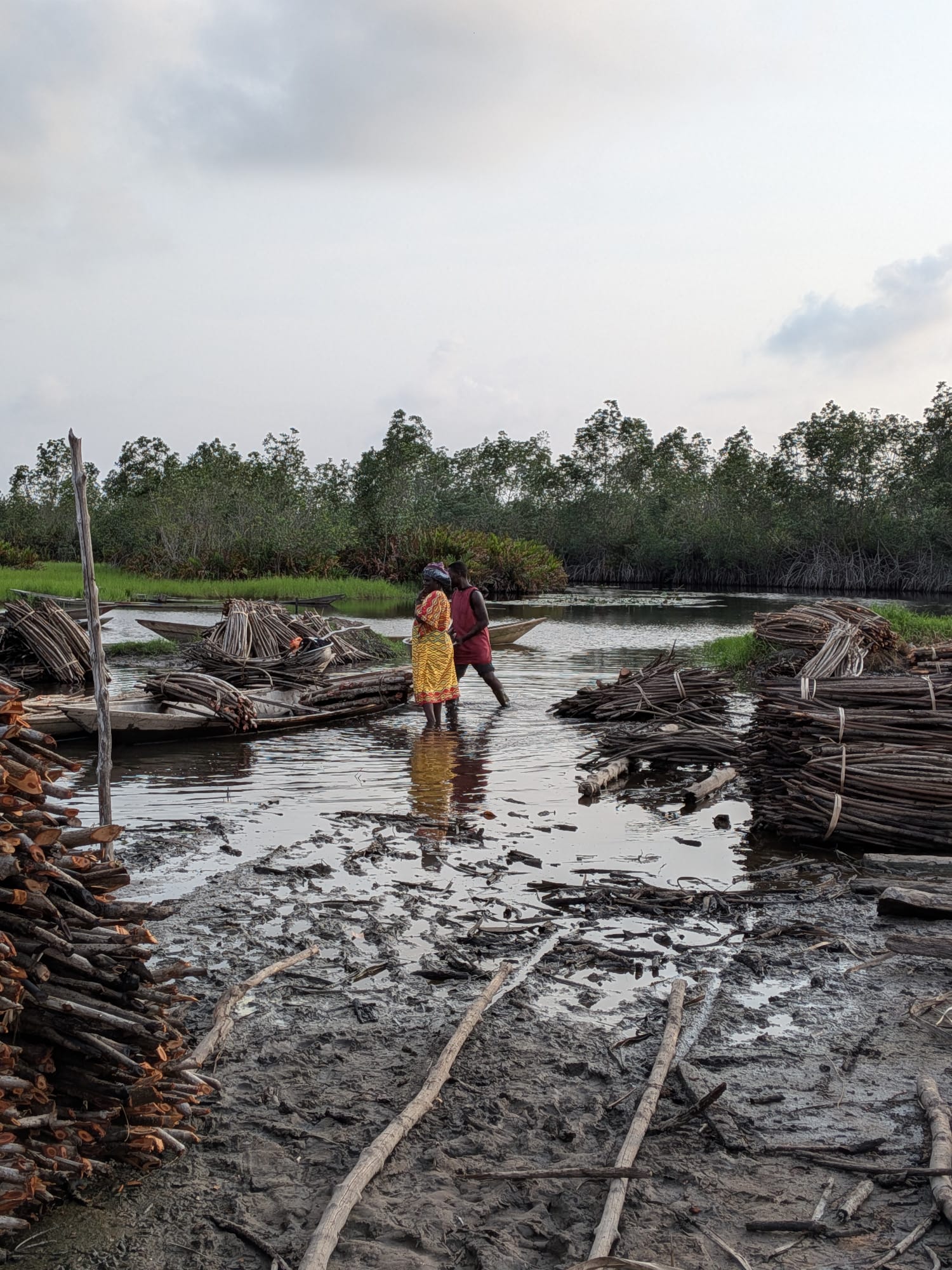
The visit finalised with the visit to a mangrove restoration site, where mangrove plant seedlings are grown, and a village with a strong focus on mangrove wood extraction for their use as household firewood.