Heavy rainfall causes flooding on KNUST Campus in Kumasi
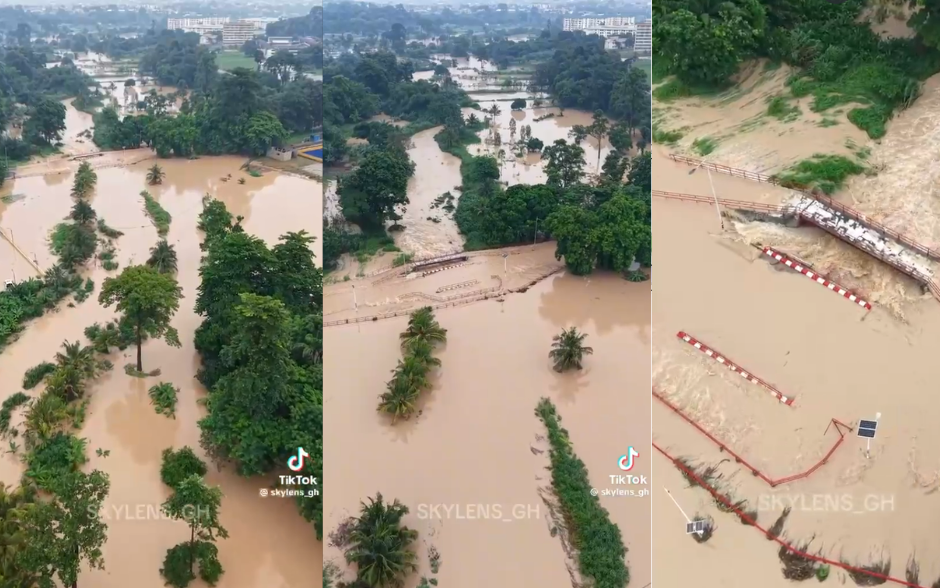
Continuous rainfall on 10–11 June 2026 led to flooding on the campus of the Kwame Nkrumah University of Science and Technology (KNUST) in Kumasi, Ghana, one of the ALBATROSS hubs. The stream on the KNUST campus, known as the Wewe River, could not contain the runoff and overflowed its banks. Furthermore, the riverbed became silted up.
“The flooding was not immediate,” explained Enoch Bessah, coordinator of the Kumasi hub. “It was a result of the continuous rainfall. As the rains stopped on 11 June, the flood began to recede.” Farmland, especially vegetable farms close to the river, was affected. All roads from the faculty area to the residential area (student halls) were blocked because the bridges were flooded,” Enoch explained.
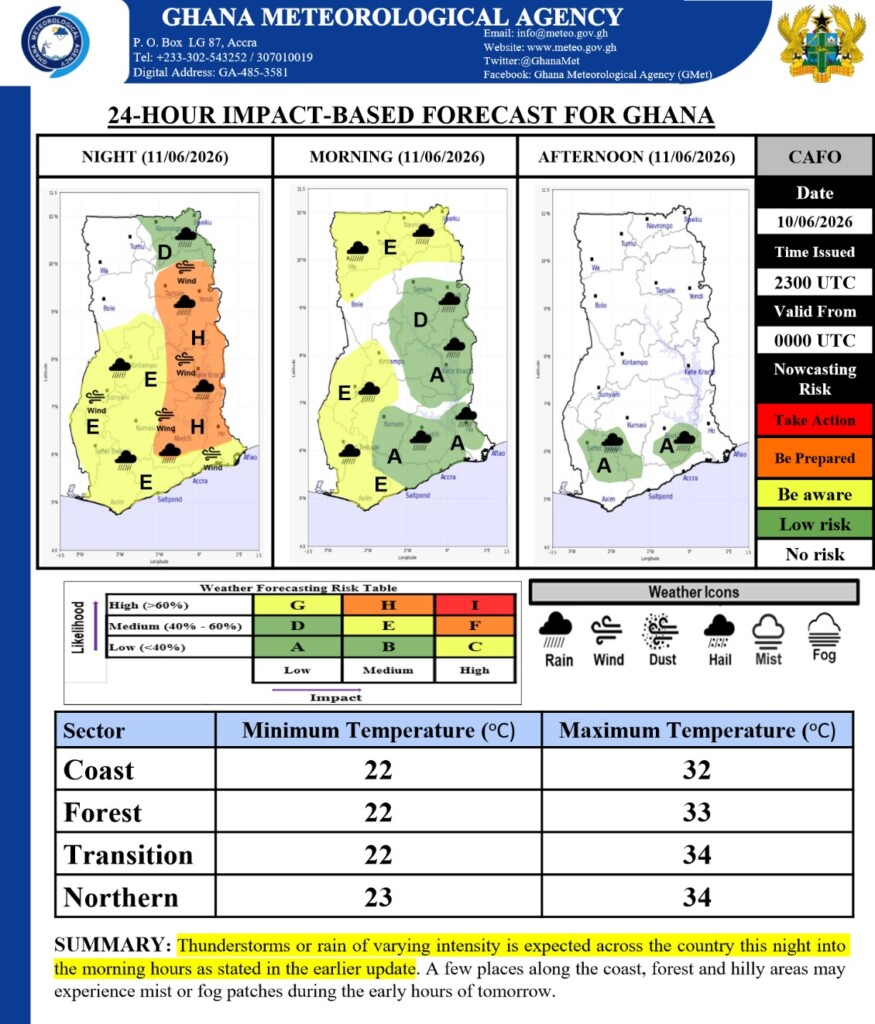
The Ghana Meteorological Agency informed the citizens through the radio and WhatsApp pages “Let’s Talk Weather” that the rainfall was coming. However, people were not prepared: “We did not expect the amount of rainfall to cause flooding from the Wewe River”, noted Enoch.
According to Enoch, this kind of river flood has occurred twice on the KNUST campus since 2022. In recent times, river floods are not common in Kumasi because the Ghana Meteorological Agency (GMet), the Ghana Hydrological Authority (HYDRO), the National Disaster Management Organisation (NADMO) and Municipal Assemblies work together to desilt drains and streams before the major rainfall. Enoch said that “unfortunately, support from the government for the desilting activities is not regular. Each year it delays, flooding in Kumasi city cannot be prevented.”
After the flood on campus, NADMO and KNUST management came together to desilt the Wewe River. “If this can be done yearly before the major rainfall season, we may not experience this event again “, concluded Enoch.
The event highlights the importance of combining early warning systems, regular maintenance of drainage infrastructure, and effective collaboration between institutions to strengthen resilience to climate-related hazards in urban areas.
* Photo credit: @Skylens_gh
Share on Facebook Share on Twitter Share on Pinterest