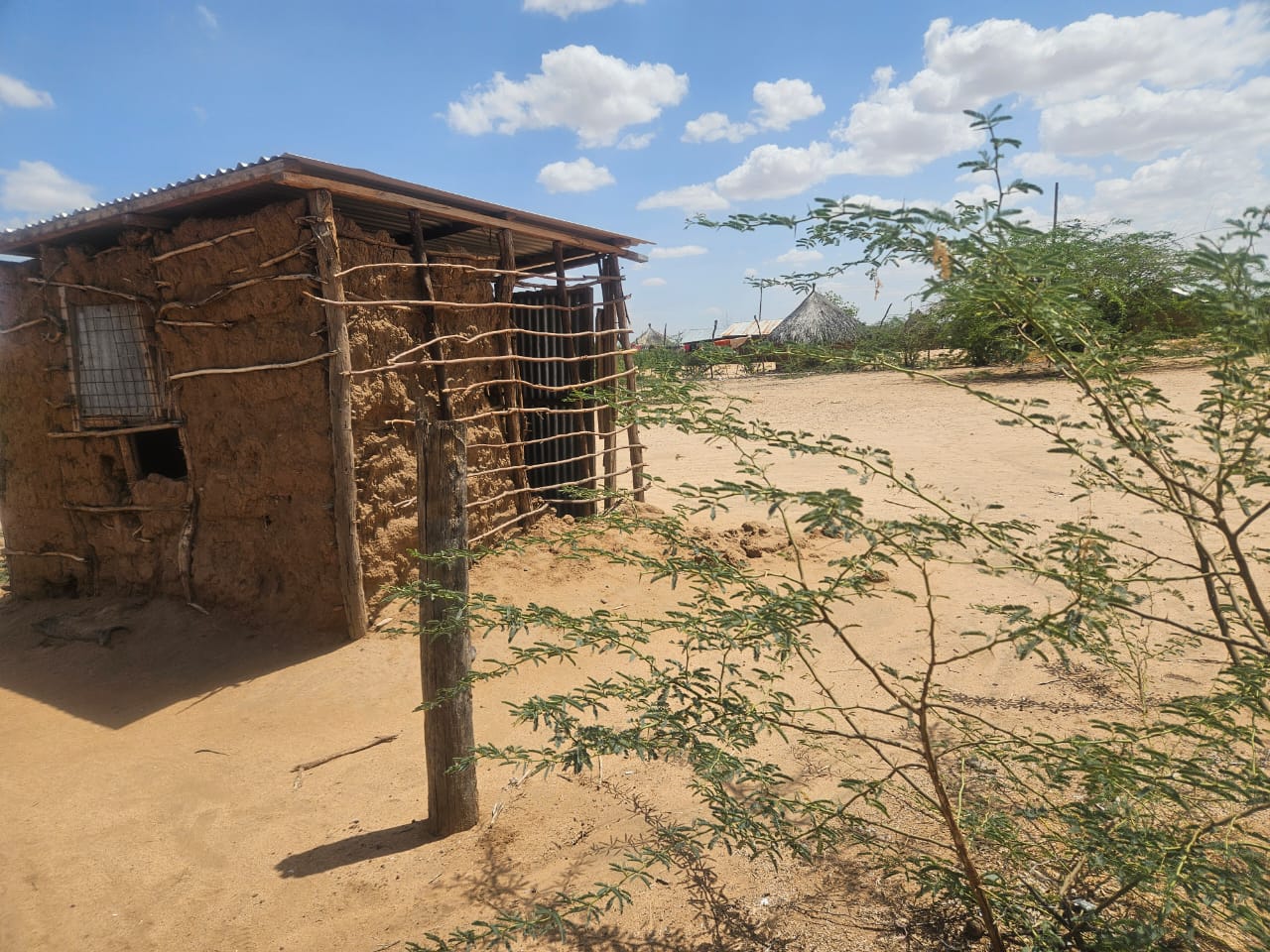
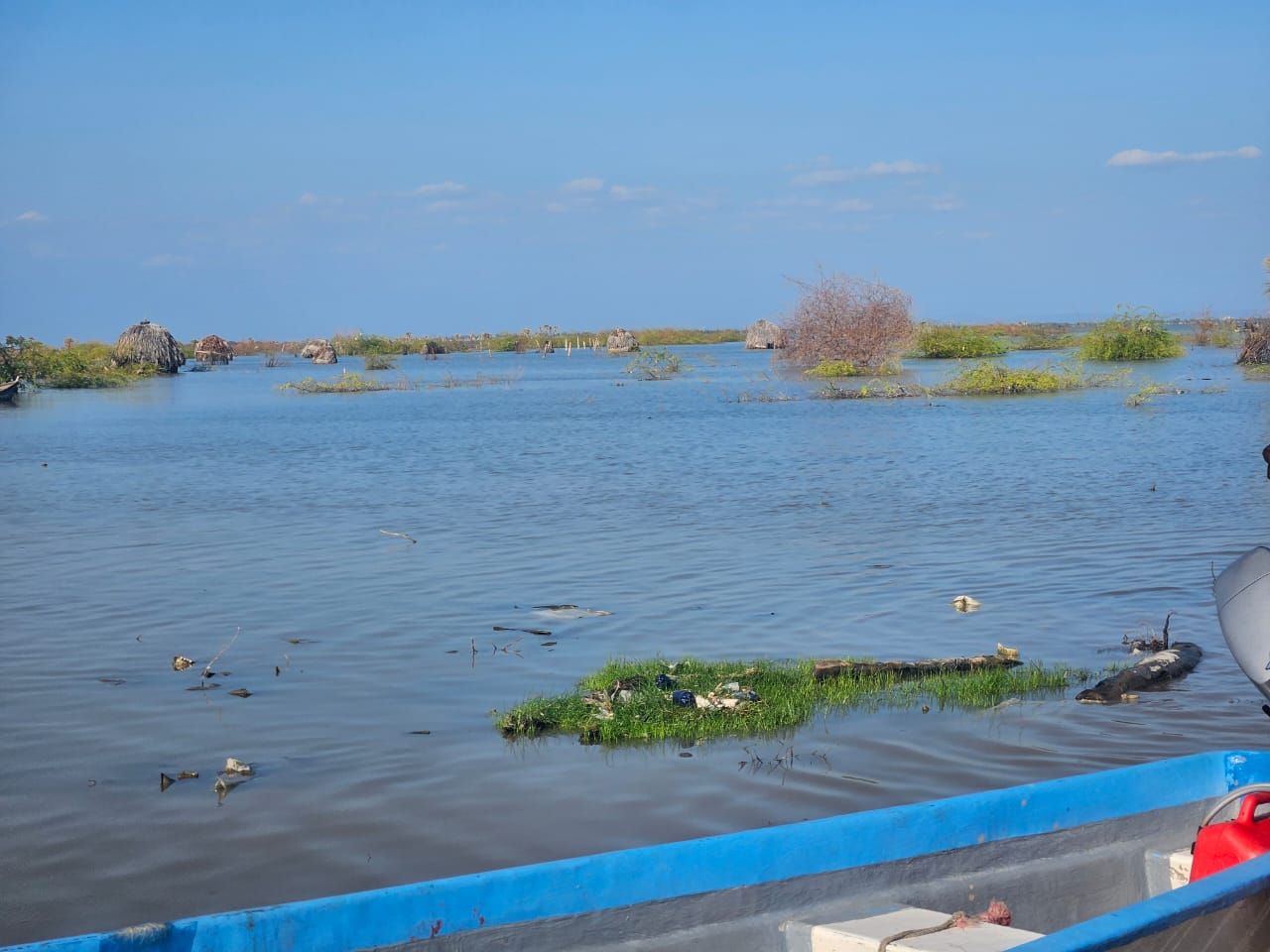
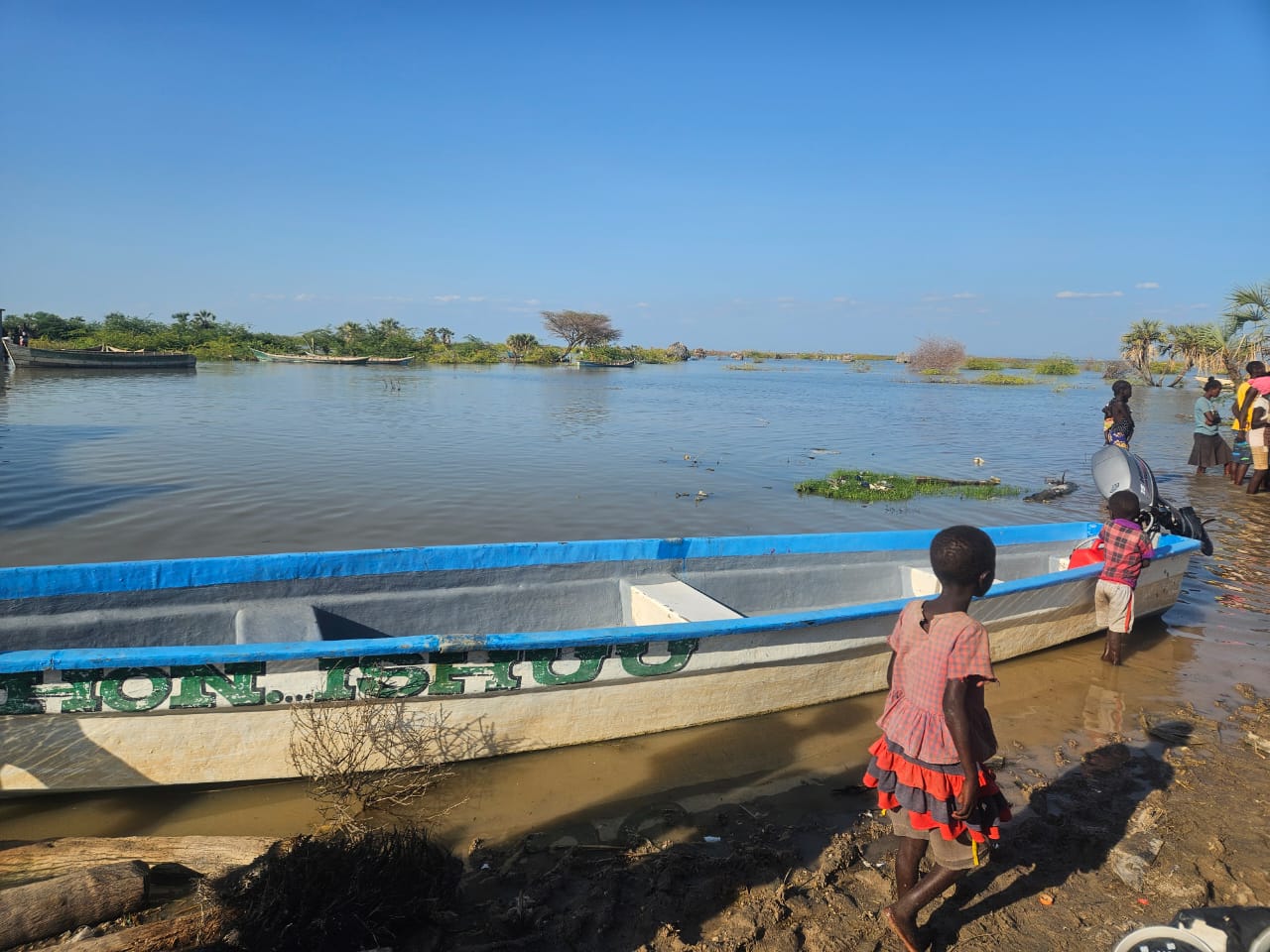
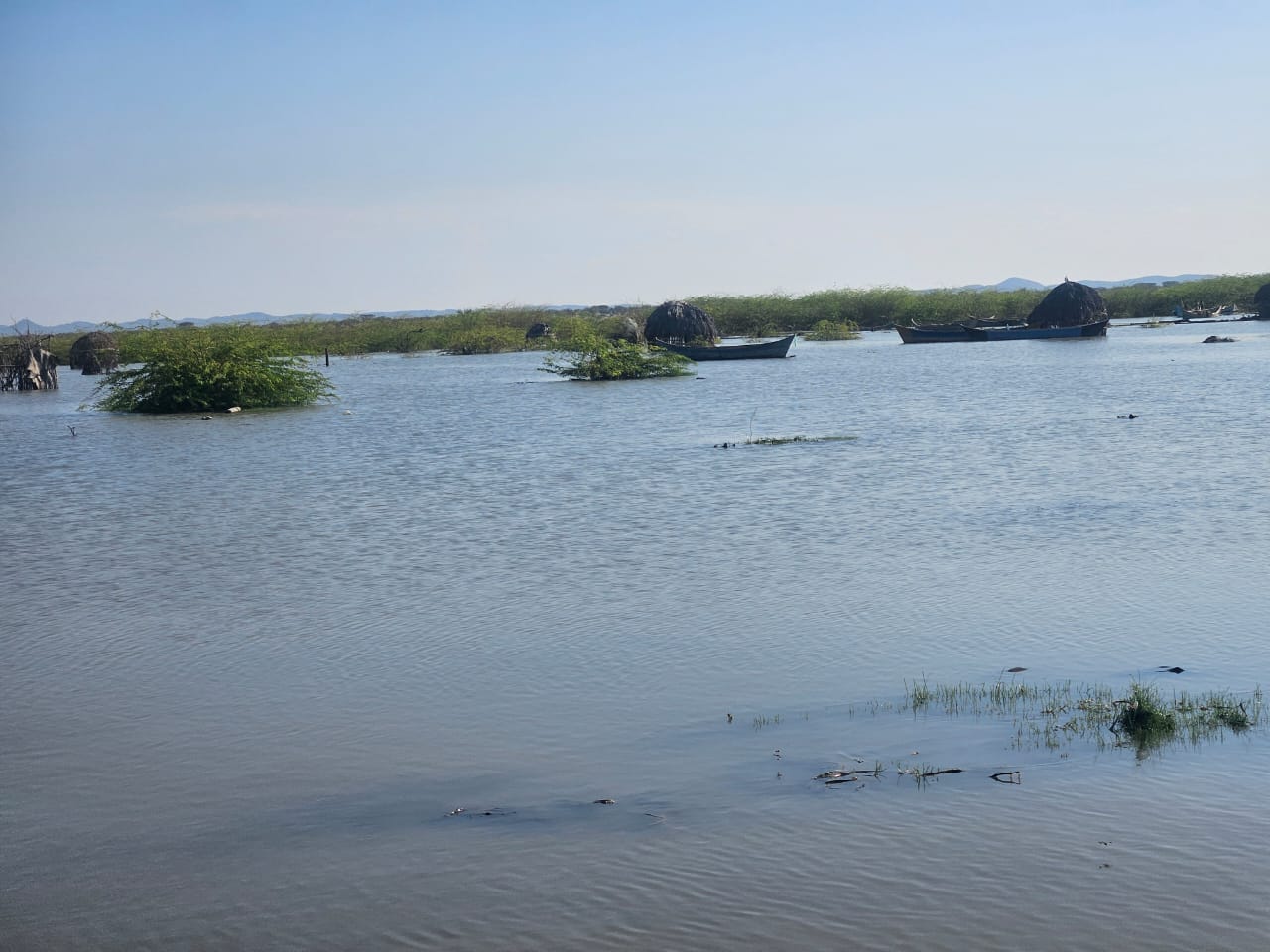
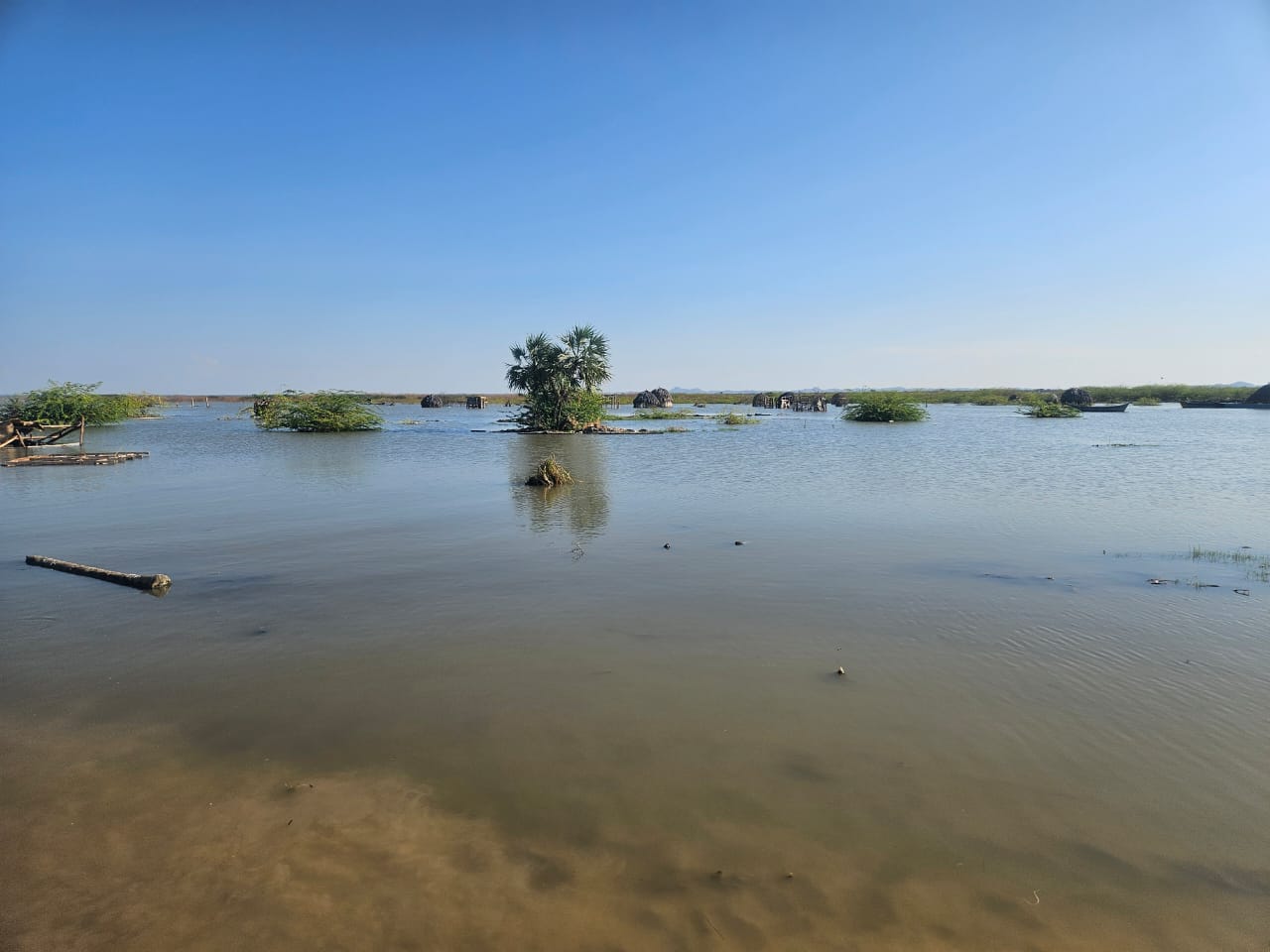
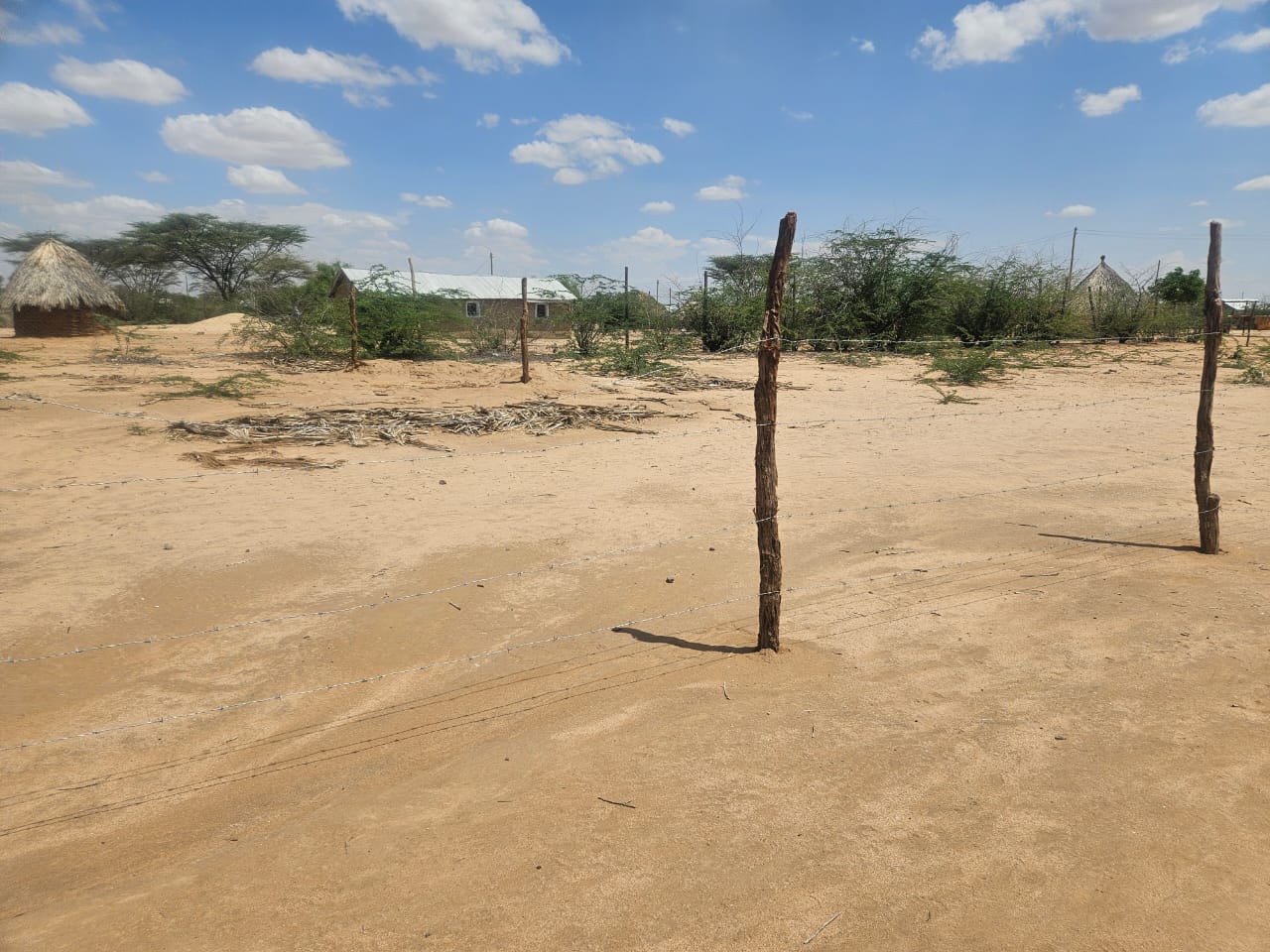
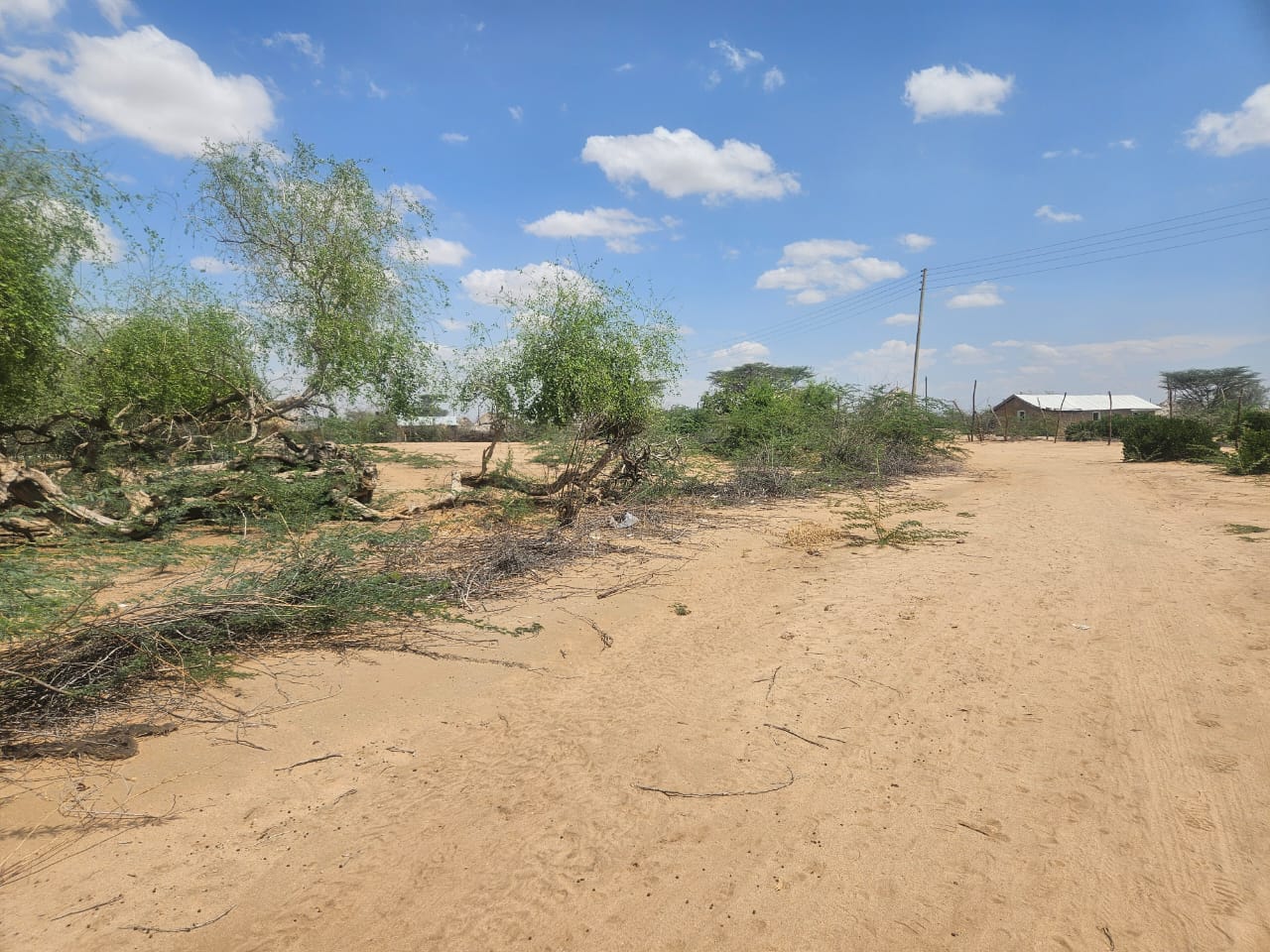
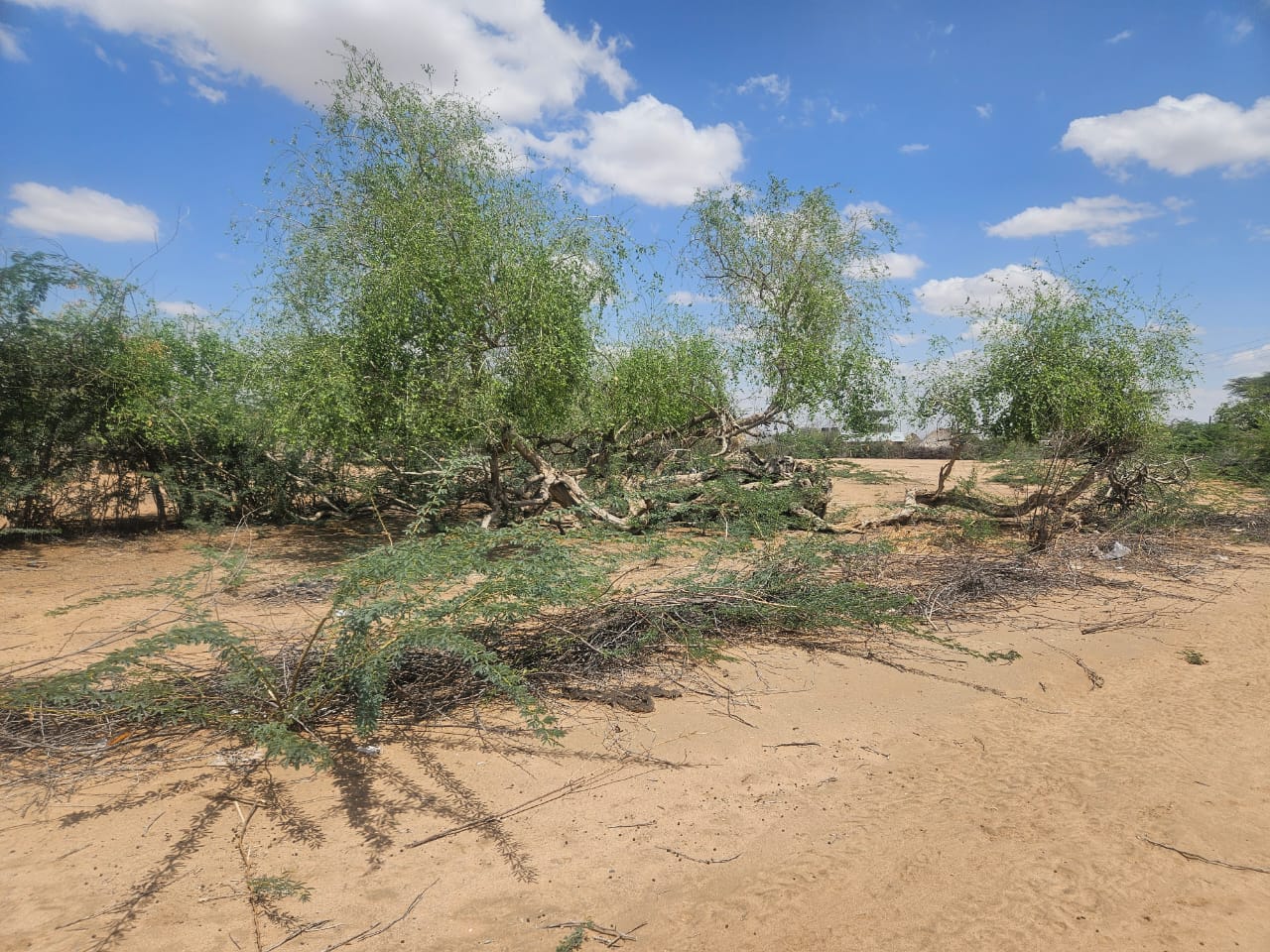
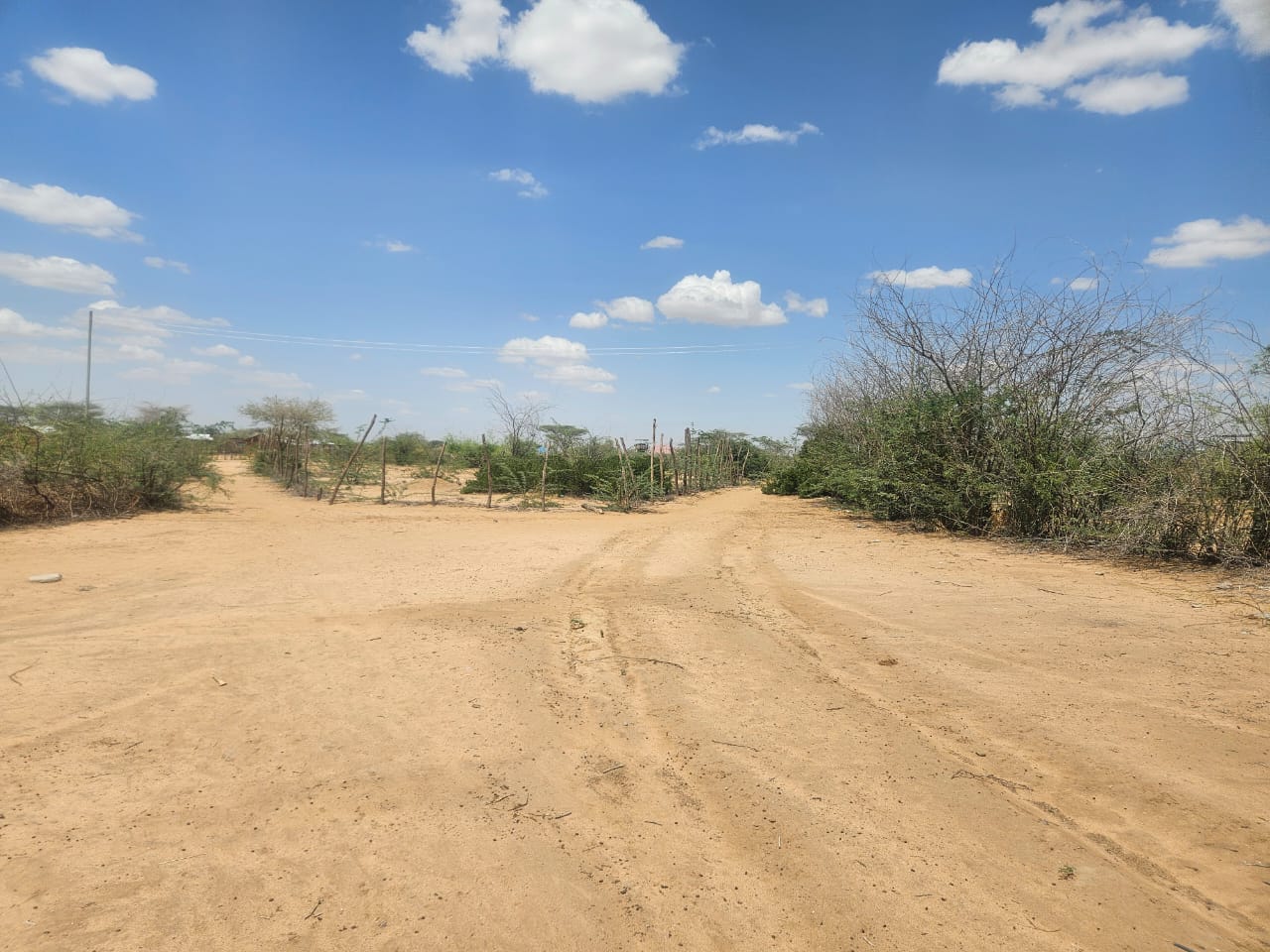
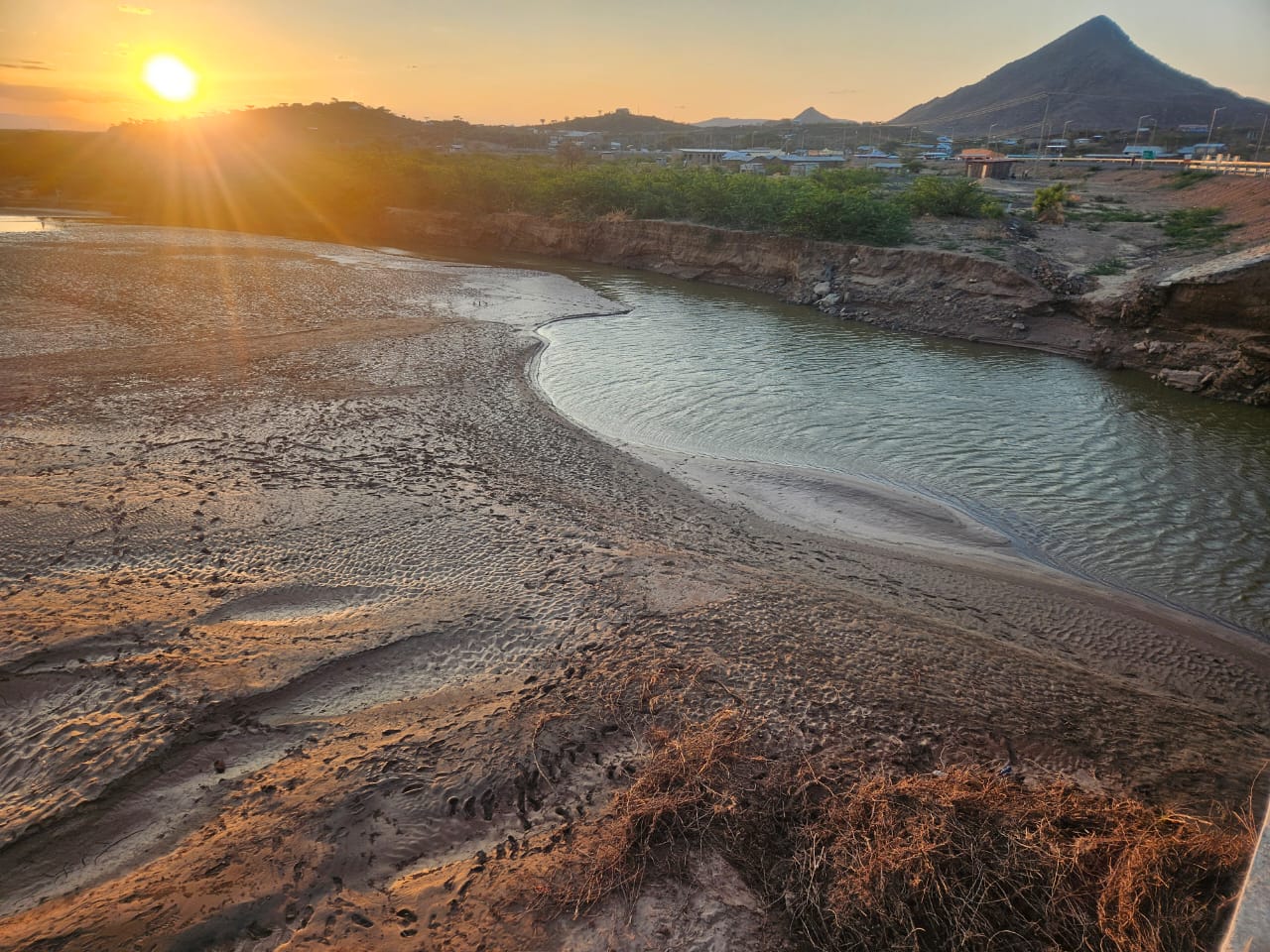
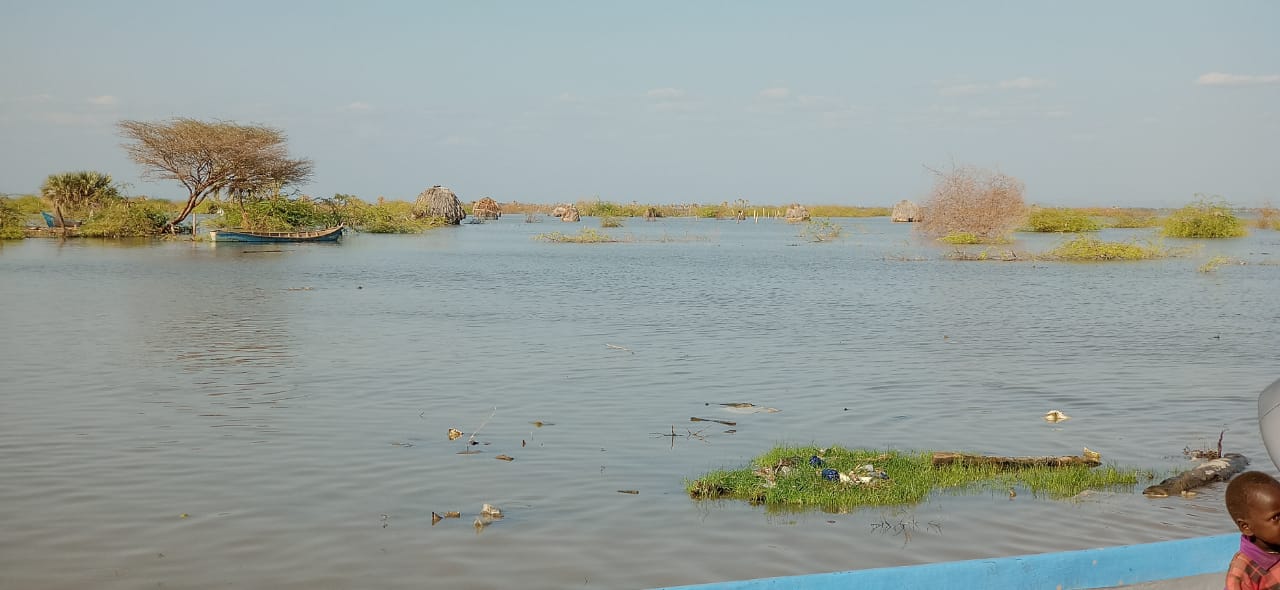
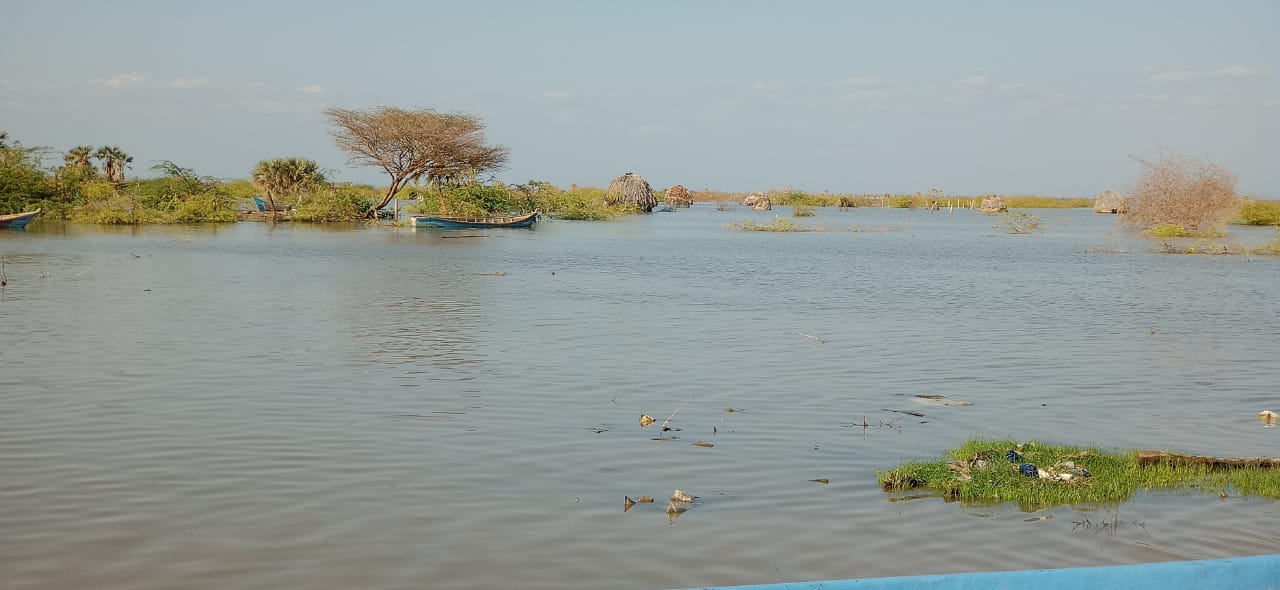
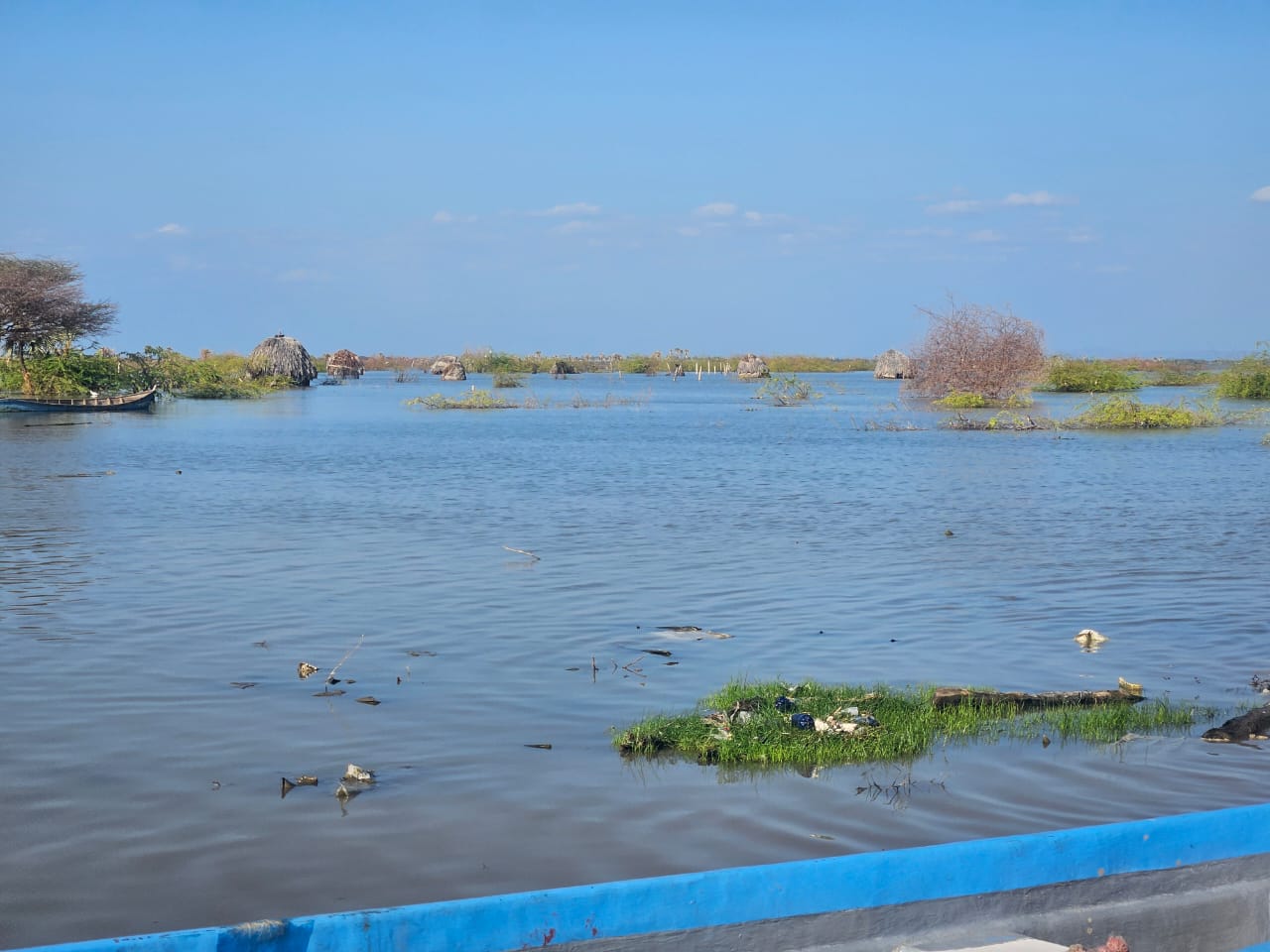
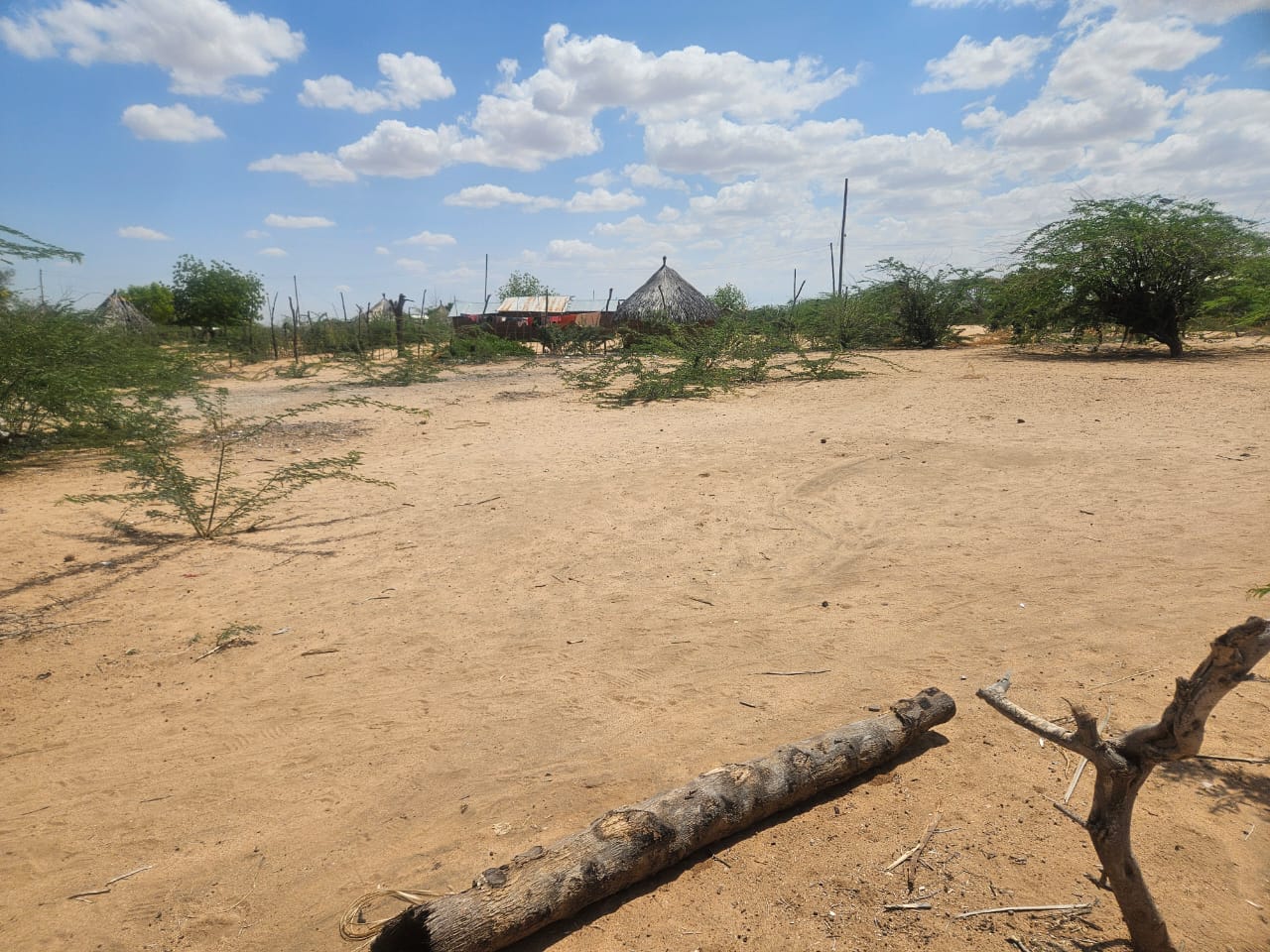
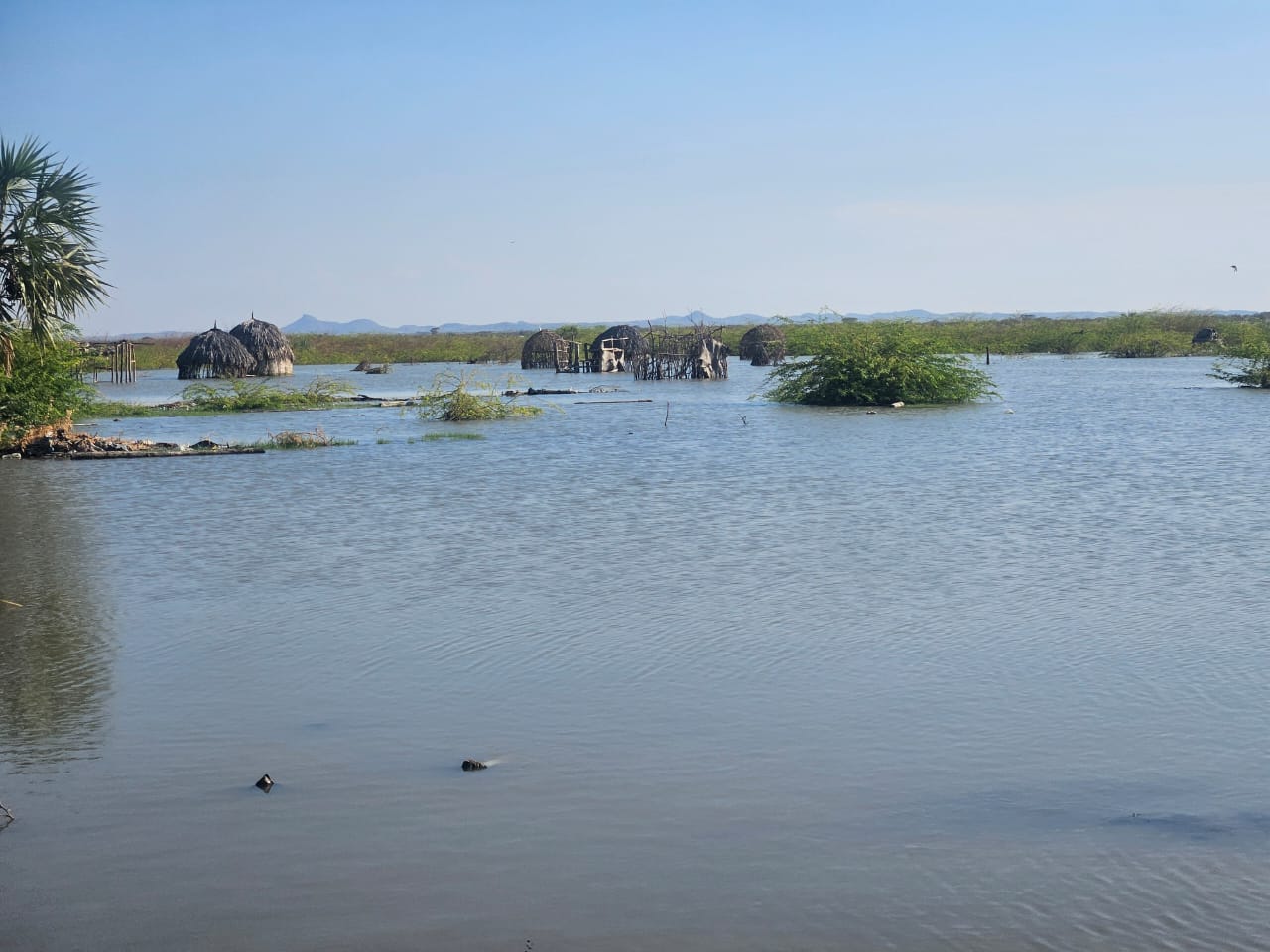
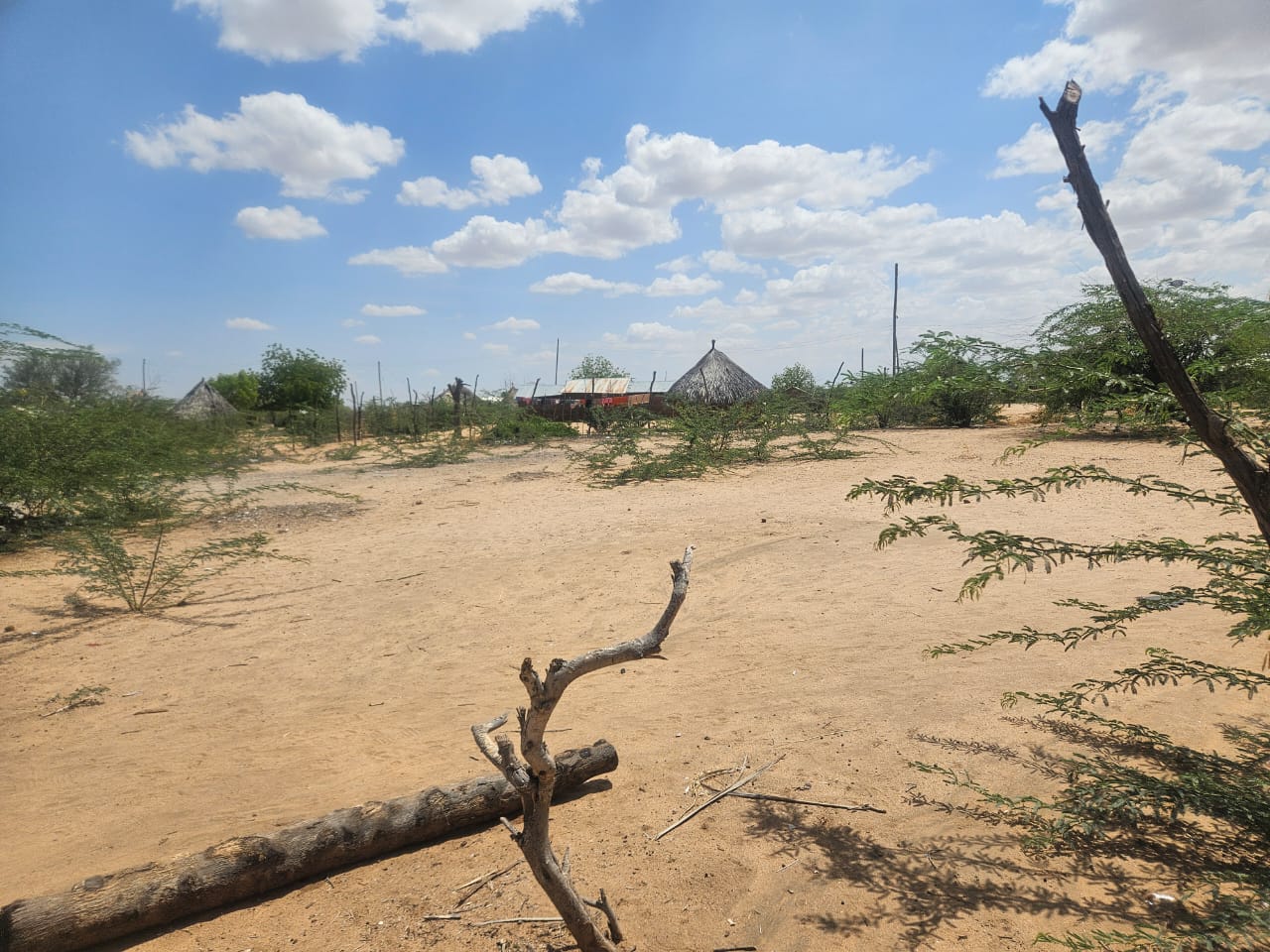
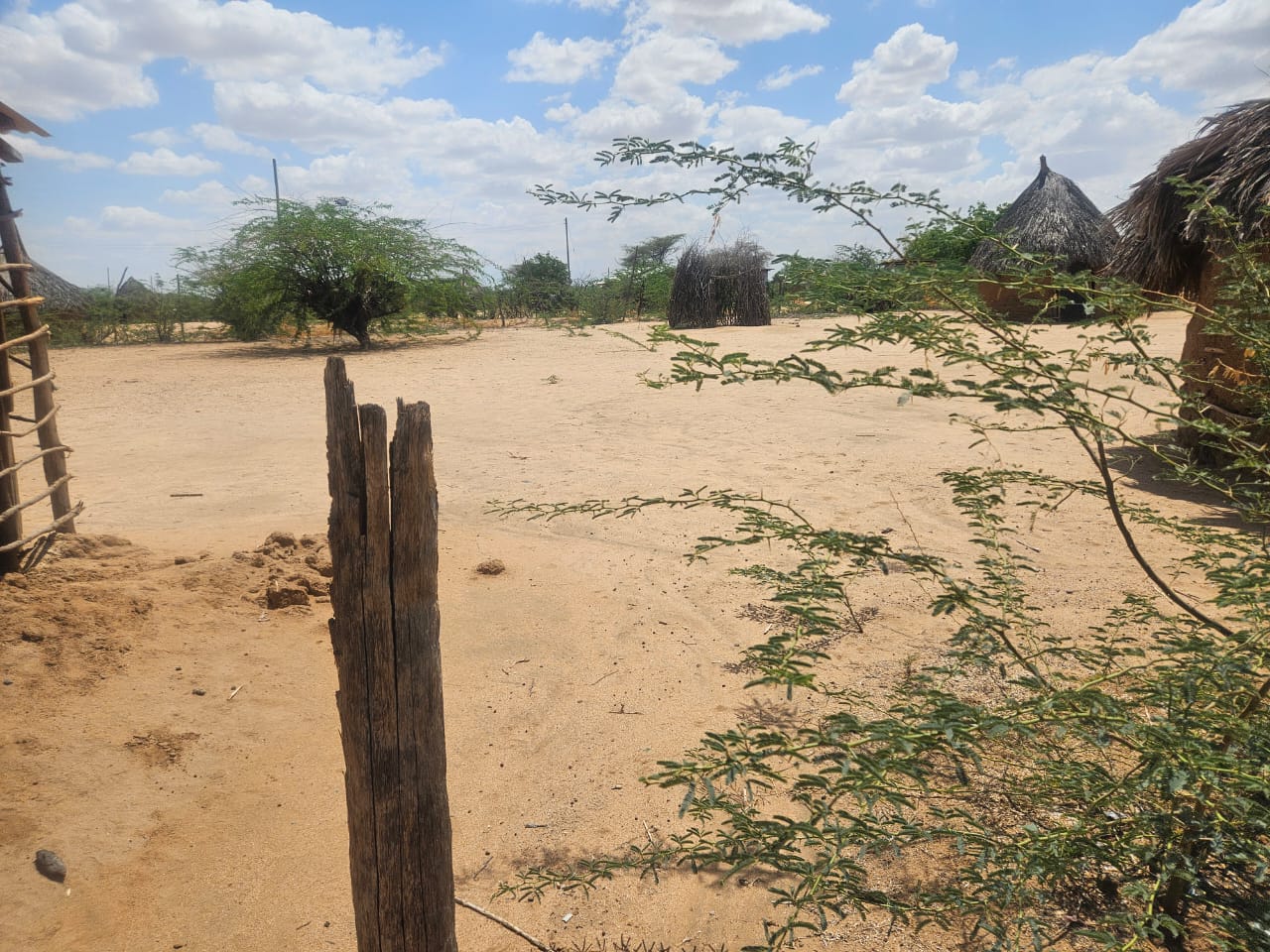
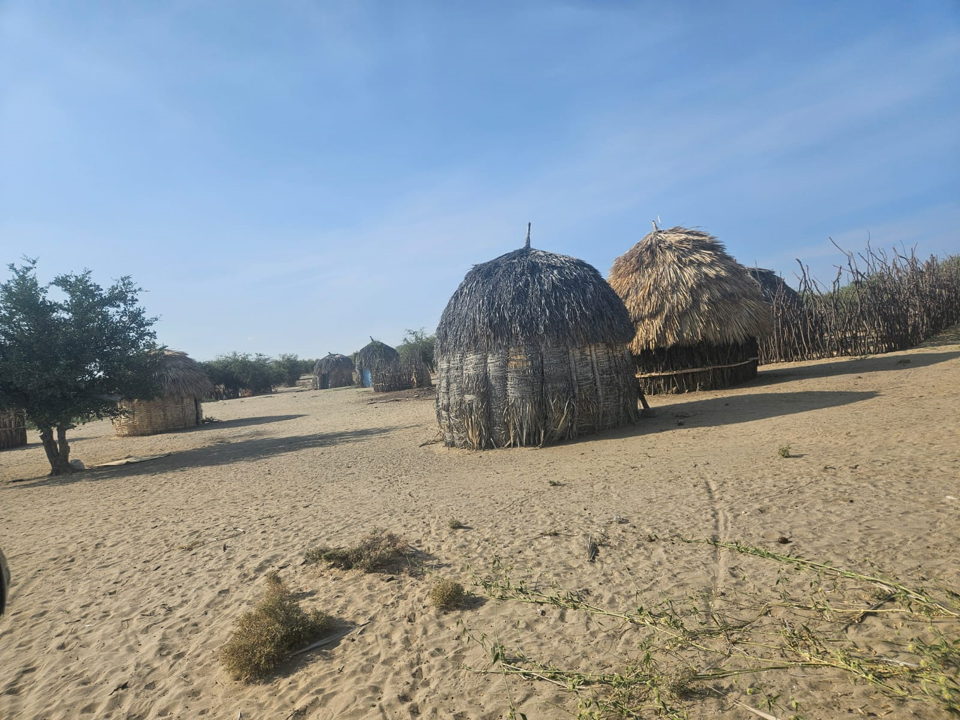
Turkana County is located in the northwestern part of Kenya. The main livelihood system for the Turkana community is pastoralism, a livelihood system based on extensive livestock production. It is characterized by animal mobility and common use of natural resources; therefore, the community is nomadic and seasonally migrates long distances following the availability of water and grass for their animals due to the impacts of droughts and excess heat.
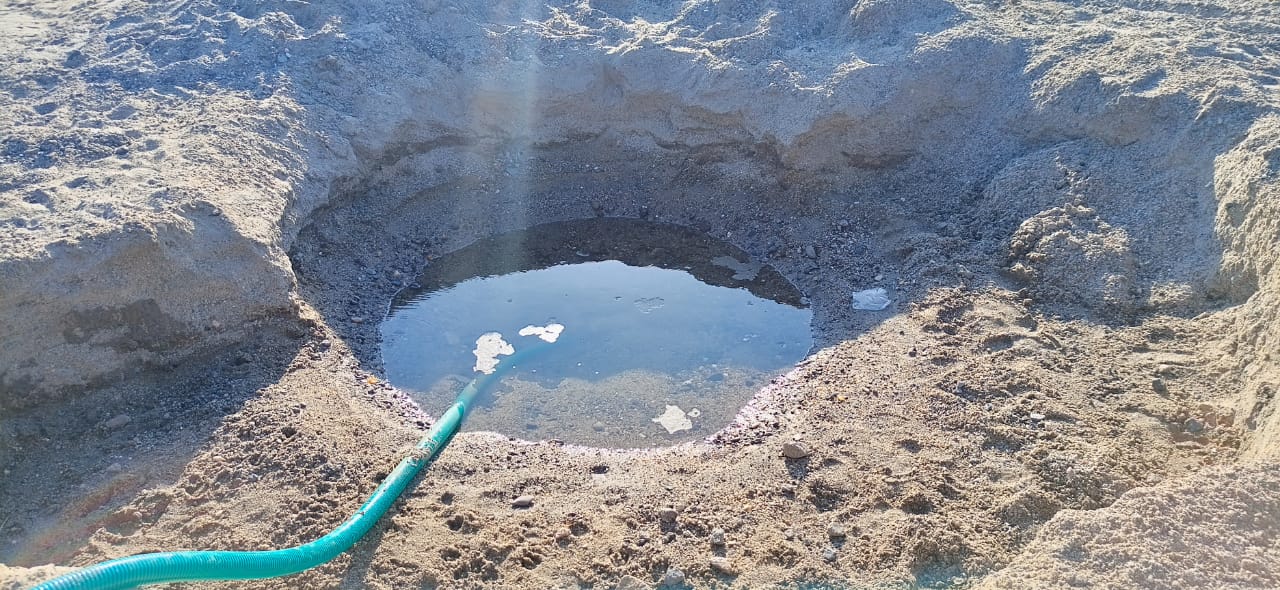
However, this dependence on climate (rainfall and temperature) and the frequent droughts, together with occasional but devastating floods affect all local community members, as water and food availability are altered.
A variety of nature-based solutions (NbS) are being implemented in Turkana County. These include climate-smart agriculture integrating drought-resistant trees; pasture reseeding through rotational grazing and the reintroduction of native grasses to restore degraded rangelands; and riparian restoration using indigenous vegetation to stabilise ecosystems and support biodiversity.
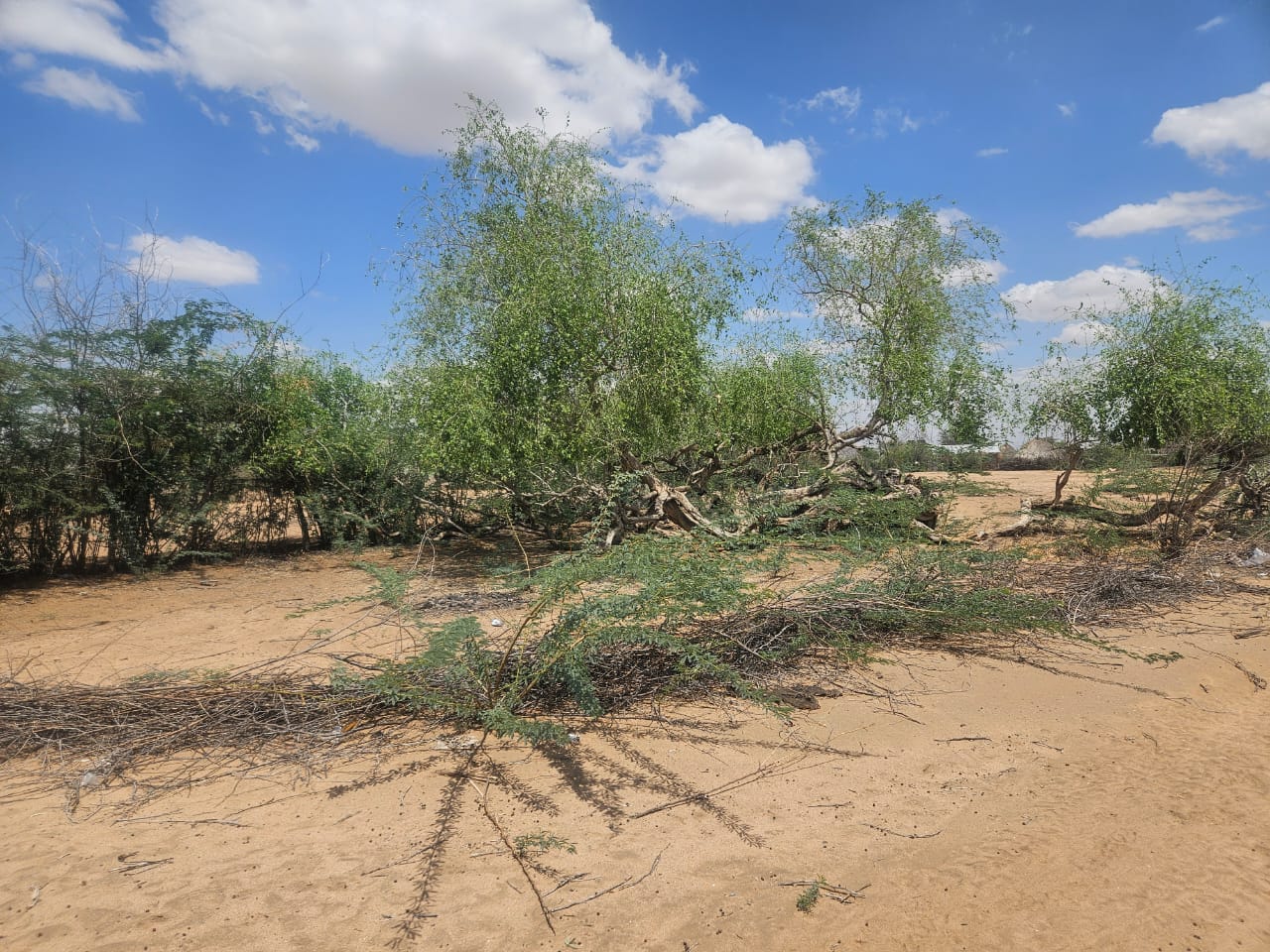
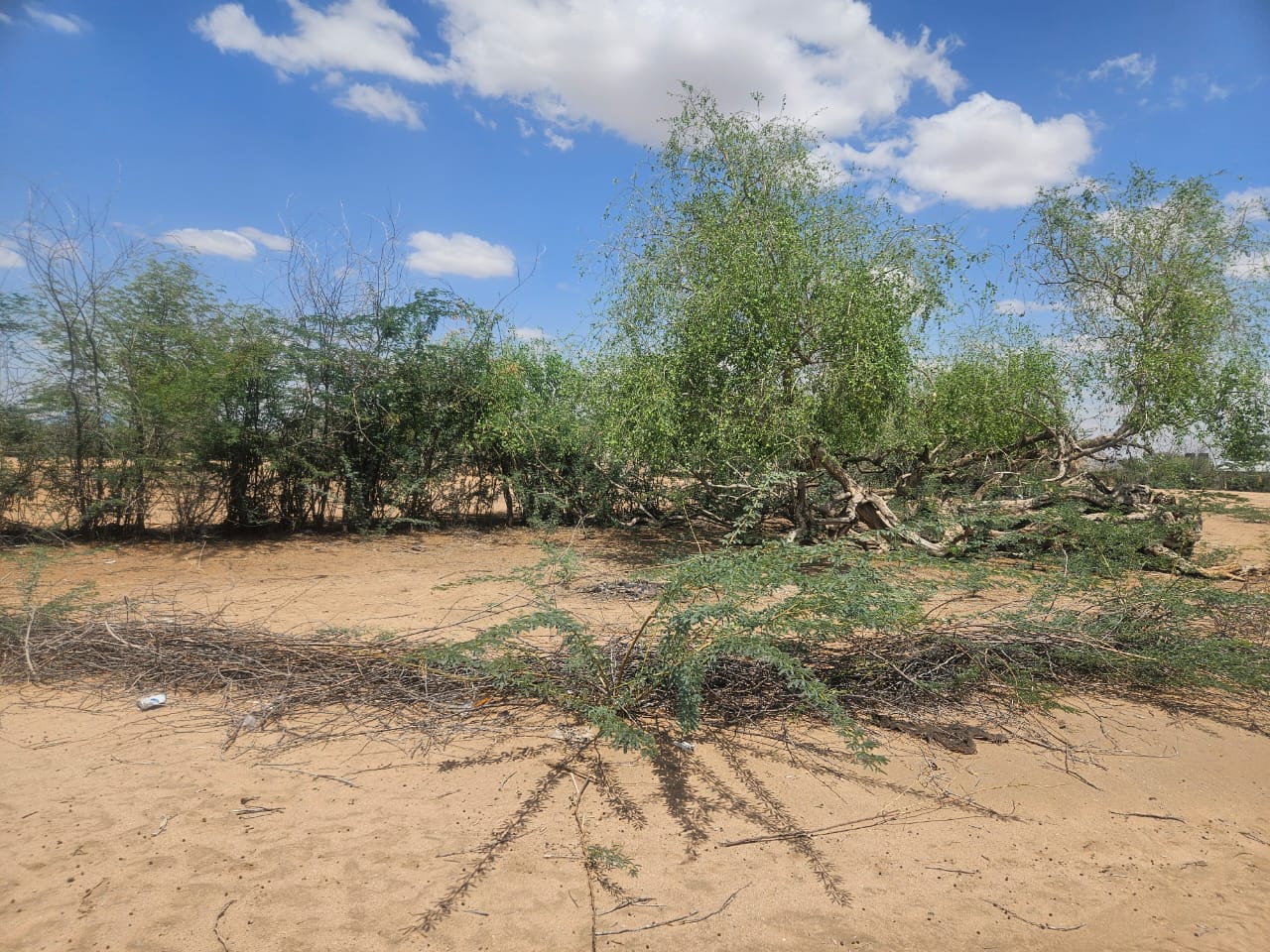
In collaboration with the county government, ALBATROSS is providing technical support to address the daily challenges faced by local communities and to assist in reviewing and refining the county’s climate change adaptation plan. This includes, for example, guidance on managing invasive plant species (e.g. Prosopis juliflora) and agricultural pests that are impacting certain areas of the county.
To complement its technical support for NbS, ALBATROSS is also working to translate abstract meteorology into practical,
field-level land decisions. This involves aligning seasonal forecasting and projections with direct actions:
- Knowledge Synthesis: Co-developing approaches to merge traditional predictive
forecasting from elders with county meteorological metrics. - Crop Planning: Using tailored rainfall forecasts to optimize planting schedules along
fragile riparian zones. - Livestock Migration: Delivering timely drought maps to coordinate pasture use and
reduce migratory resource conflicts.
Interventions to date:
- Strengthening a participatory scenario planning process that brings together indigenous knowledge from local seers and elders with scientific expertise to guide NbS for sustainable rangeland restoration and conflict-sensitive grazing management.
- Continued engagement with County Steering Group and community for effective monitoring, data collection and feedback on user needs.
Expected benefits:
- Pastoralist communities benefit from NbS that restore degraded rangelands and riparian zones and improve ecosystem resilience.
- Governance and coordination mechanisms are strengthened through participatory planning, integration of Indigenous knowledge, and support for climate-resilient land and water management aligned with existing NbS initiatives.

Hub coordinator and main implementer of interventions:
University of Nairobi
Turkana county Hub, Kenya
Turkana, Kenya
- Region: North Eastern Africa
- Climate: Arid hot desert (BWh)
- Main meteorological hazards: Drought, extreme heat
- Nature-based solutions supported: Climate-smart agriculture, pasture reseeding and riparian restoration.
- Intervention: Technical support and capacity building to communities
Turkana county Hub, Kenya
- Region: North Eastern Africa
- Climate: Arid hot desert (BWh)
- Main meteorological hazards: Drought, extreme heat
- Nature-based solutions supported: Climate-smart agriculture, pasture reseeding and riparian restoration.
- Intervention: Technical support and capacity building to communities