National Policy Dialogue on Strengthening Policy Governance in Ghana: Sharing Key Findings from the ALBATROSS Multilevel Policy Analysis
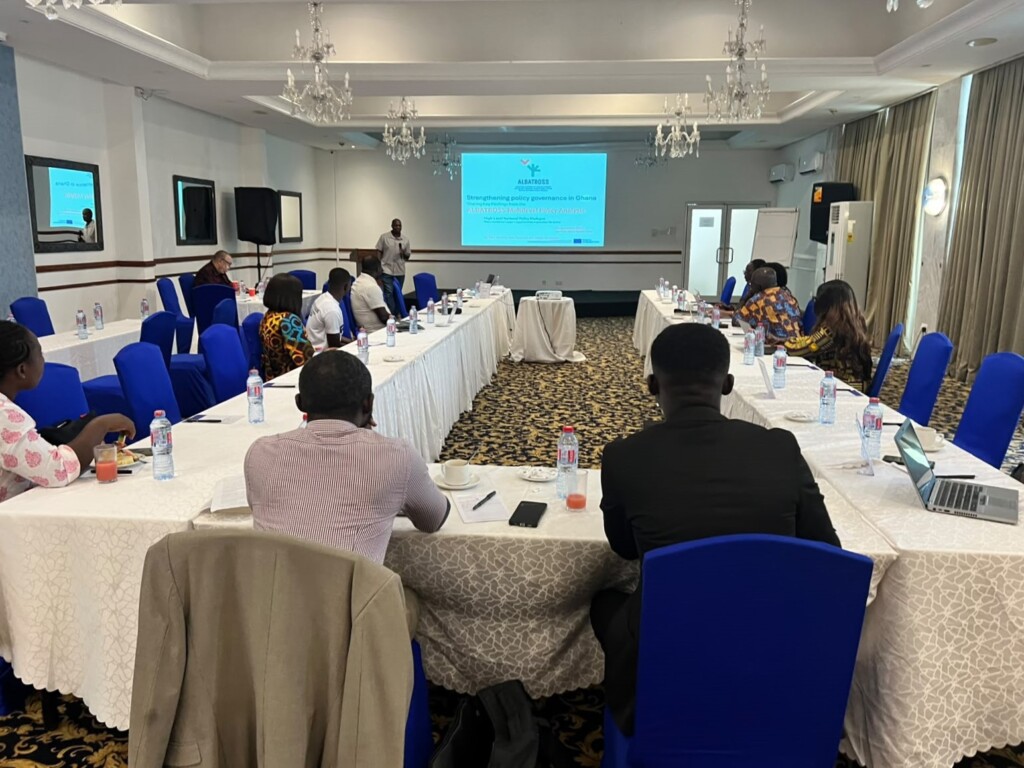
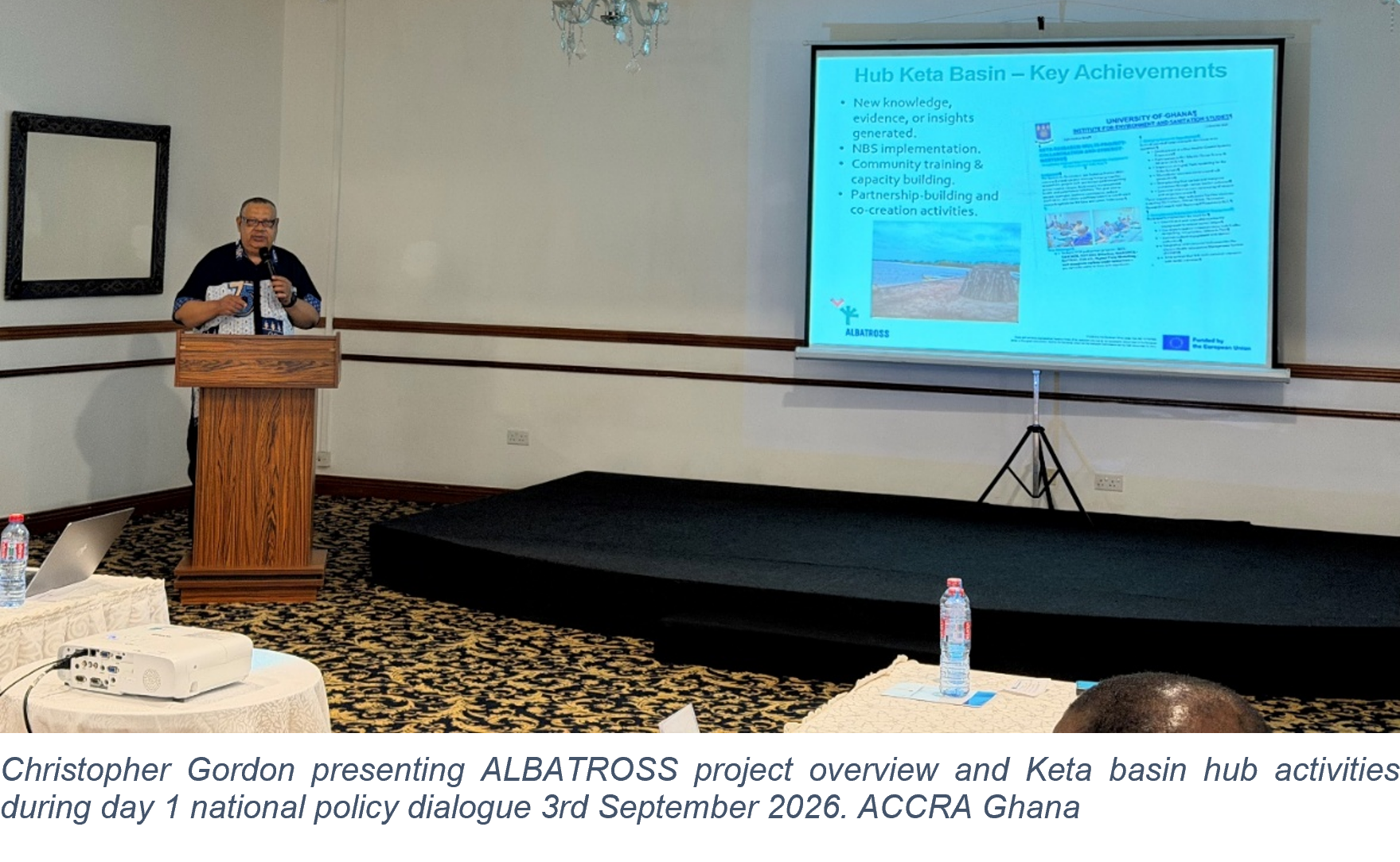
Ghana has taken an important step towards strengthening climate adaptation governance through a National Policy Dialogue convened under ALBATROSS. Held in Accra on 3–4 September 2026, the dialogue brought together senior policymakers, government institutions, research organizations and civil society representatives to examine key findings from the ALBATROSS Multilevel Policy Analysis and identify strategic priorities for strengthening climate adaptation governance in Ghana. Convened in collaboration with the Government of Ghana and ALBATROSS consortium partners UNESCO, OXFAM SA, UNIGHA and KNUST, the event provided a platform for translating project evidence and recommendations into practical policy and institutional actions.
The dialogue comes at a critical time as climate change continues to pose significant risks to Ghana’s socio-economic development and livelihoods. Climate impacts are increasingly evident across the country’s ecological zones, with northern Ghana experiencing rising temperatures, prolonged dry periods and pressures on agricultural productivity, while southern coastal areas face sea-level rise, coastal erosion and flooding that threaten communities, infrastructure and livelihoods. Addressing these interconnected challenges requires stronger policy coherence and institutional coordination, alongside the effective integration of scientific evidence, climate services, Nature-based Solutions (NbS), gender-responsive approaches, and Indigenous and Local Knowledge into adaptation planning.
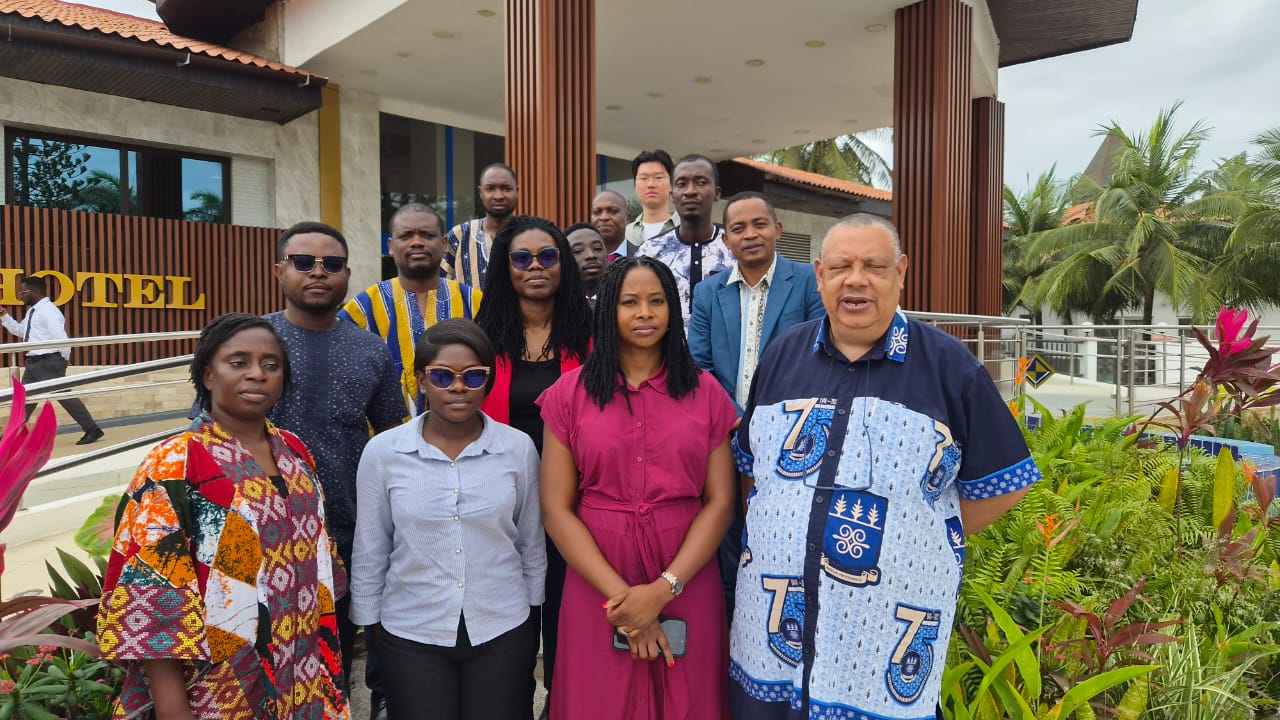
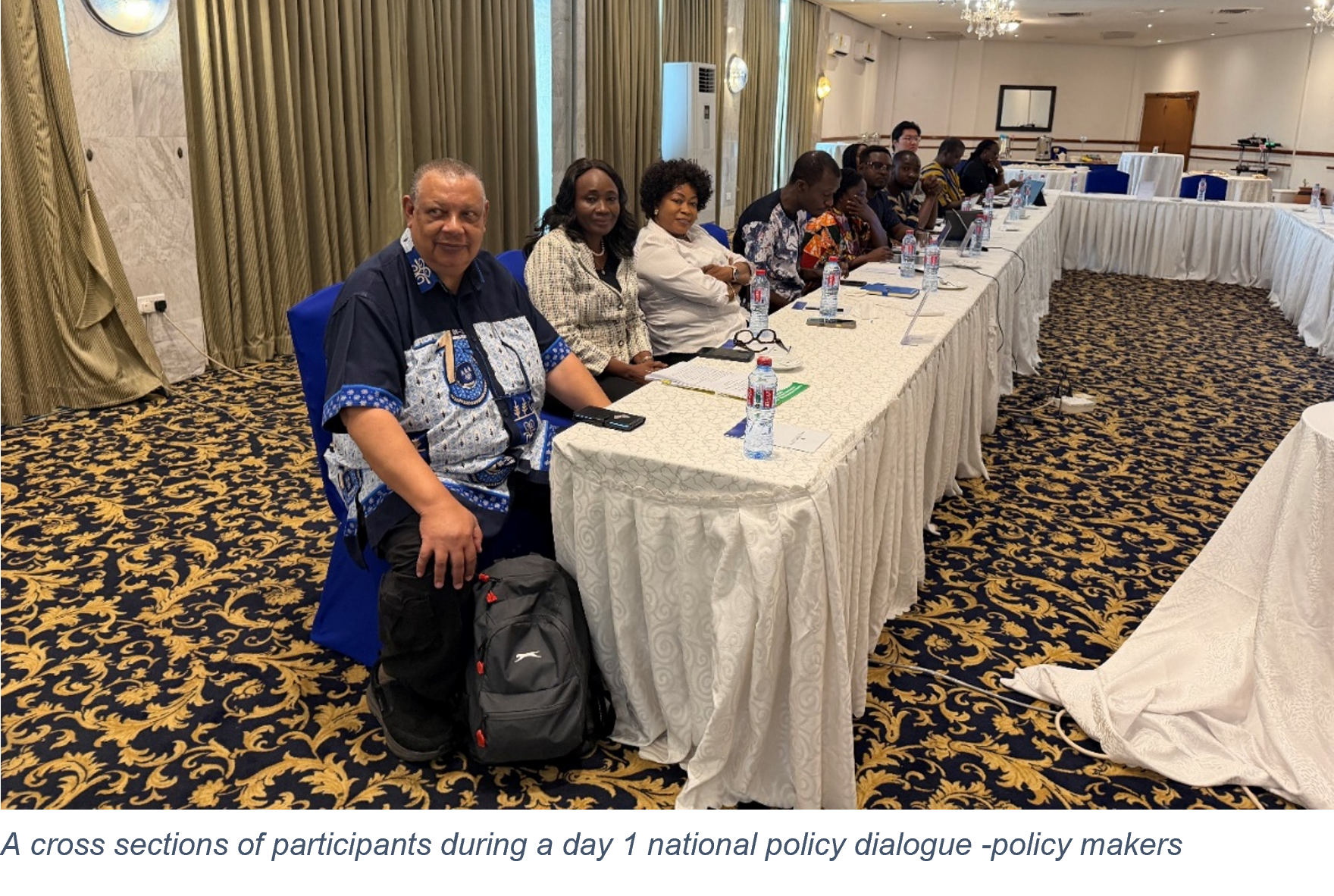
The first day of the dialogue focused on national policymakers, providing an opportunity to share experiences and discuss practical measures for strengthening climate adaptation across key sectors. Approximately 15 participants attended, including representatives from the Ministry of Environment, Science and Technology, Environmental Protection Authority (EPA), Ministry of Food and Agriculture, National Disaster Management Organization (NADMO), and Ghana Meteorological Agency, among other institutions.
While the analysis recognized important progress in Ghana’s policy landscape, it also highlighted opportunities to improve policy coherence, institutional coordination, implementation arrangements and access to adaptation financing.
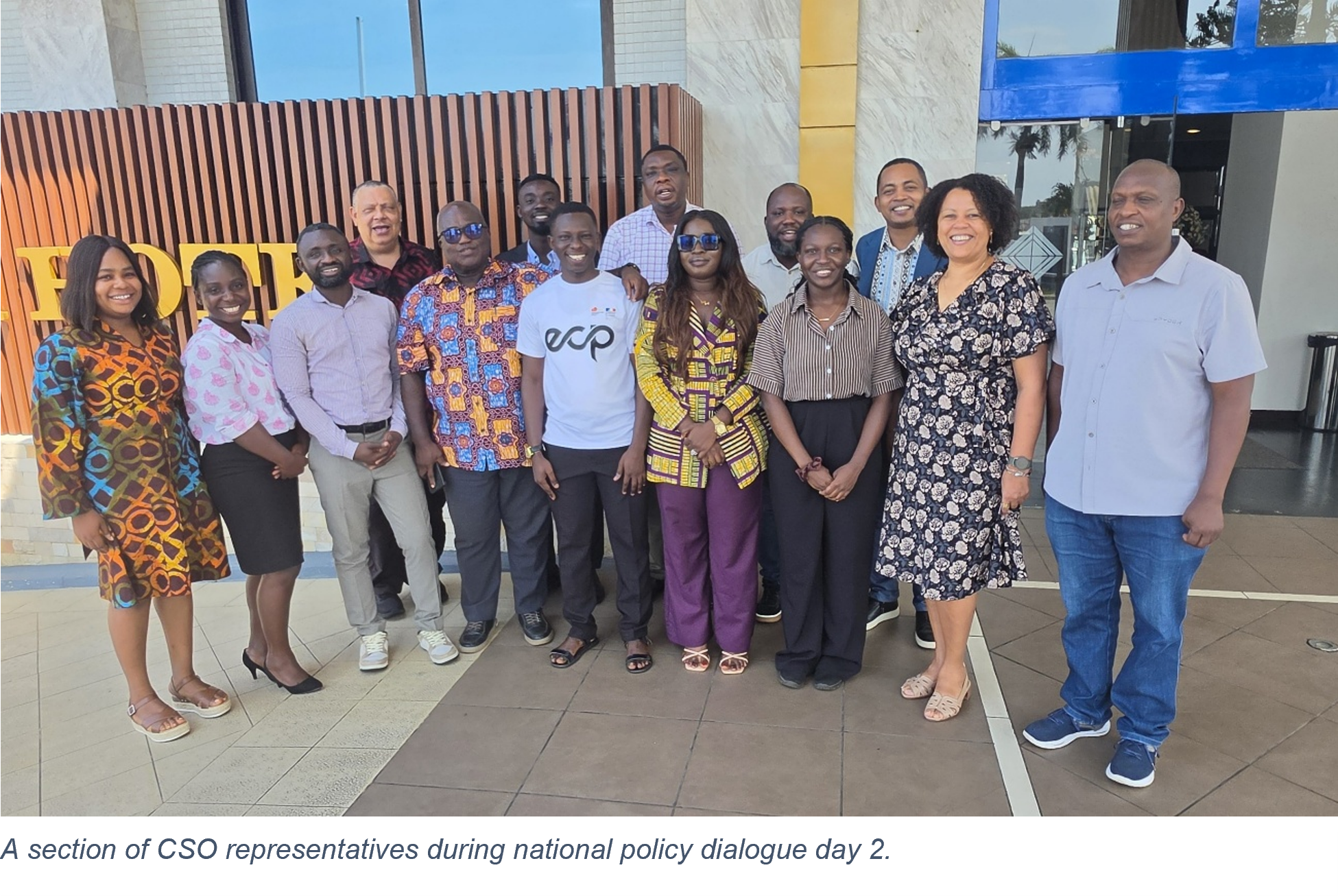
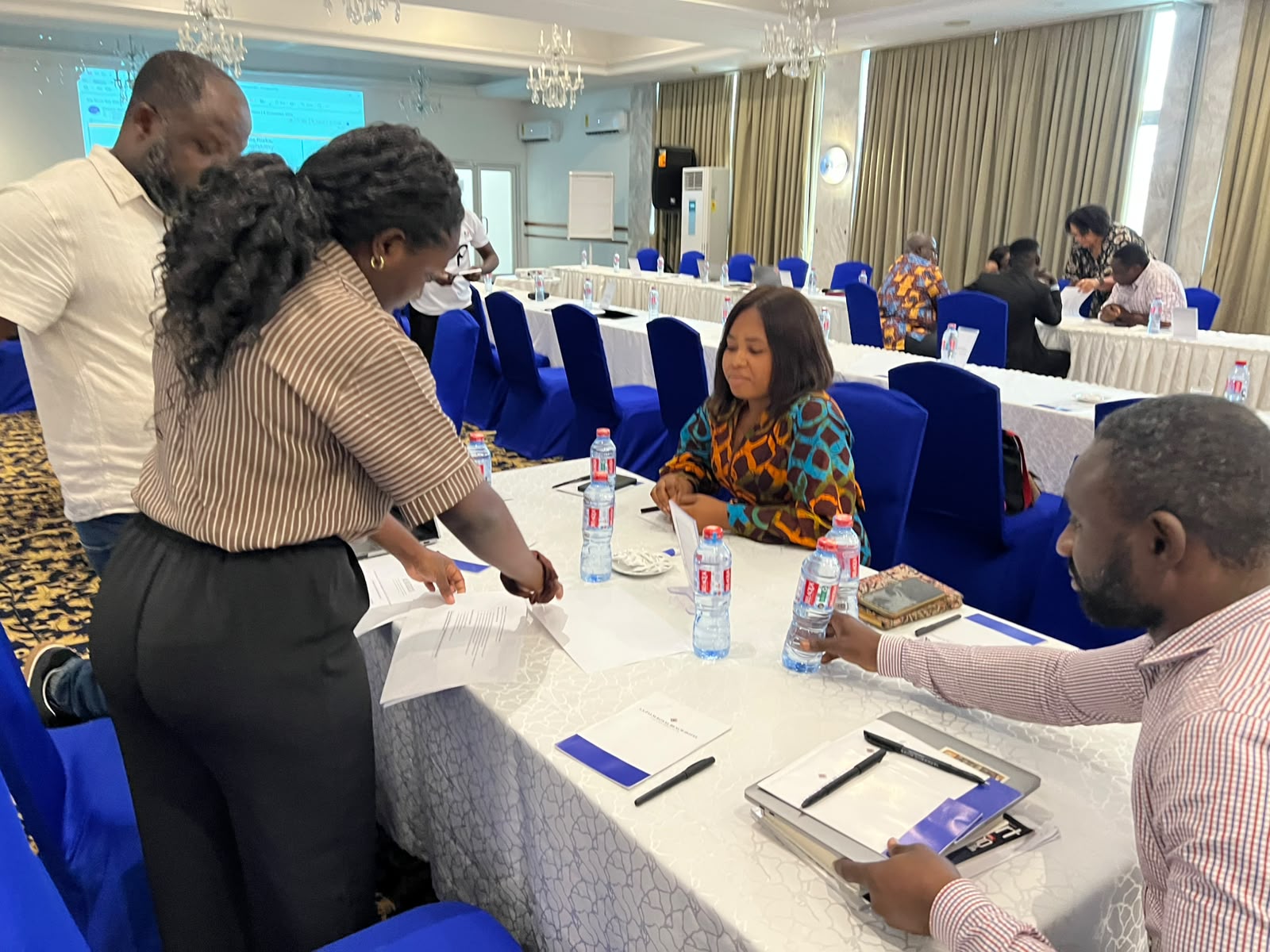
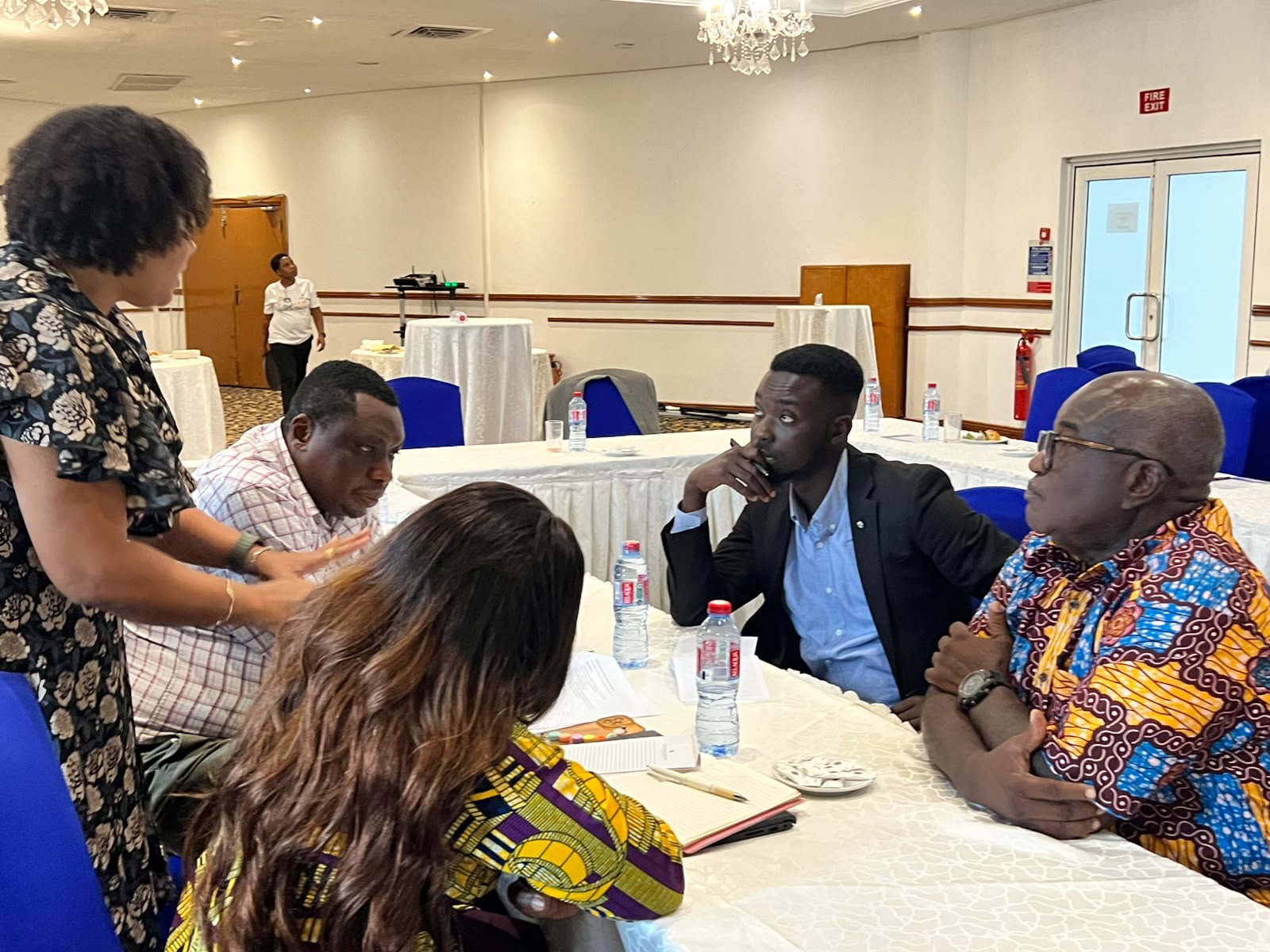
The second day brought together approximately 15 representatives from civil society organizations, creating an important space for broader stakeholder perspectives on Ghana’s climate adaptation priorities. Notably, the participation of KASA Initiative Ghana, an umbrella organization representing more than 150 NGOs and civil society organizations across the country, helped broaden the discussion and strengthen the connection between national policy processes and community-level realities. Civil society representatives highlighted different dimensions of climate vulnerability and the importance of inclusive, participatory approaches to adaptation planning and implementation. The discussions reinforced the value of stronger collaboration among government agencies, research institutions, civil society organizations and development actors in ensuring that adaptation policies are responsive to the needs and experiences of vulnerable communities.
Through these engagements, ALBATROSS continues to bridge research and policy, supporting evidence-informed decision-making and contributing to a more coordinated, inclusive and climate-resilient development pathway for Ghana.
Day 1 – Policymakers’ engagement
Day 2 – Civil Society advocacy perspectives