Early ALBATROSS findings at COP31: Nature-based solutions shape how people decide on mobility, and how they fare afterwards
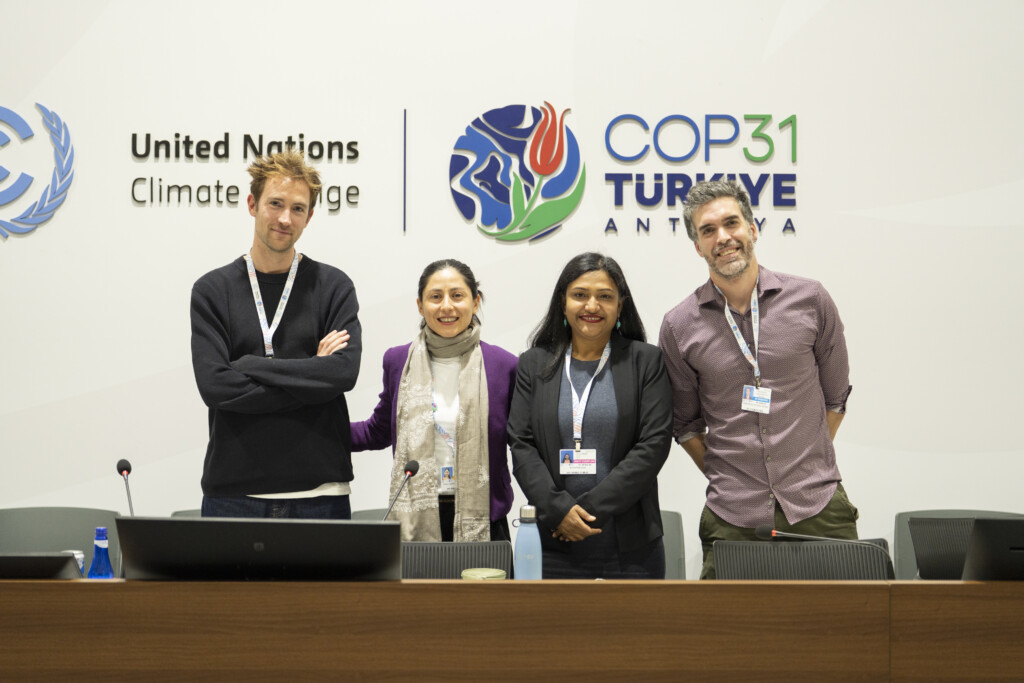
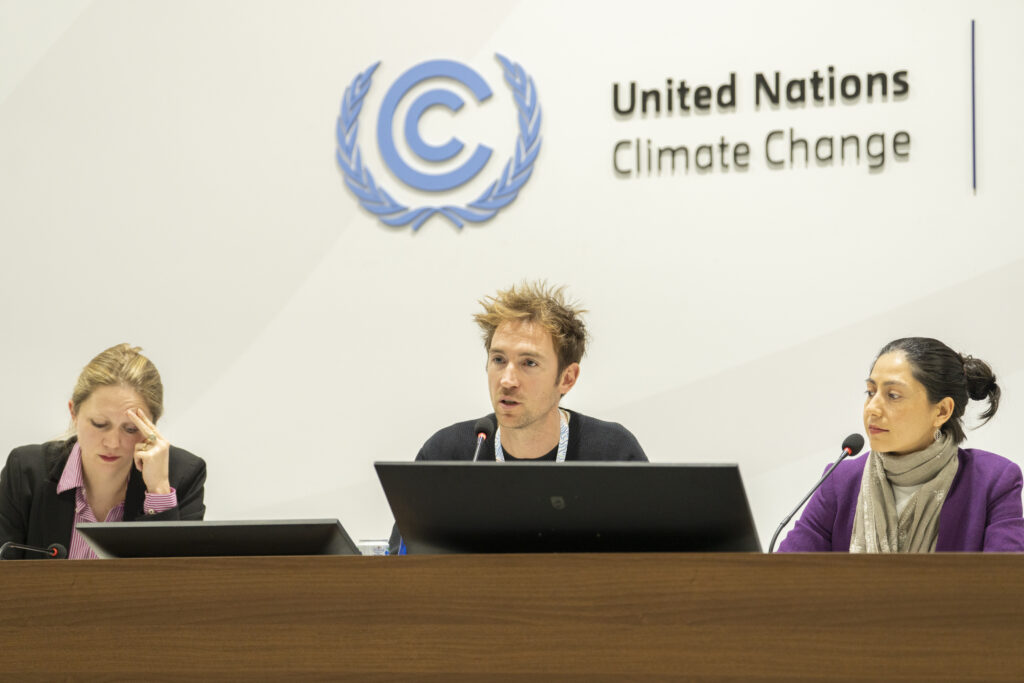
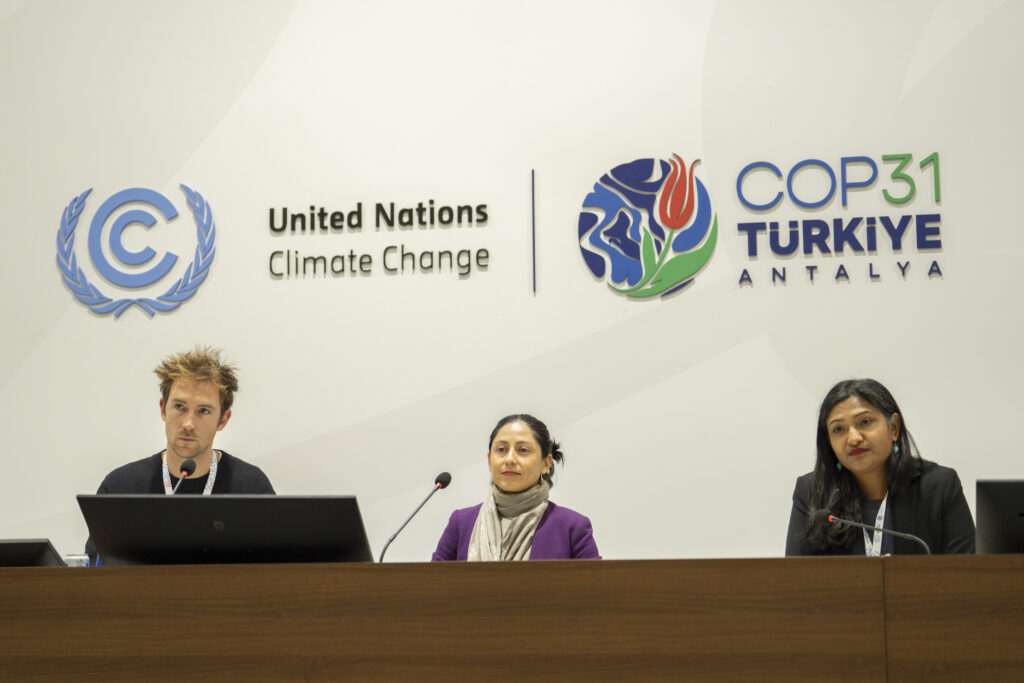
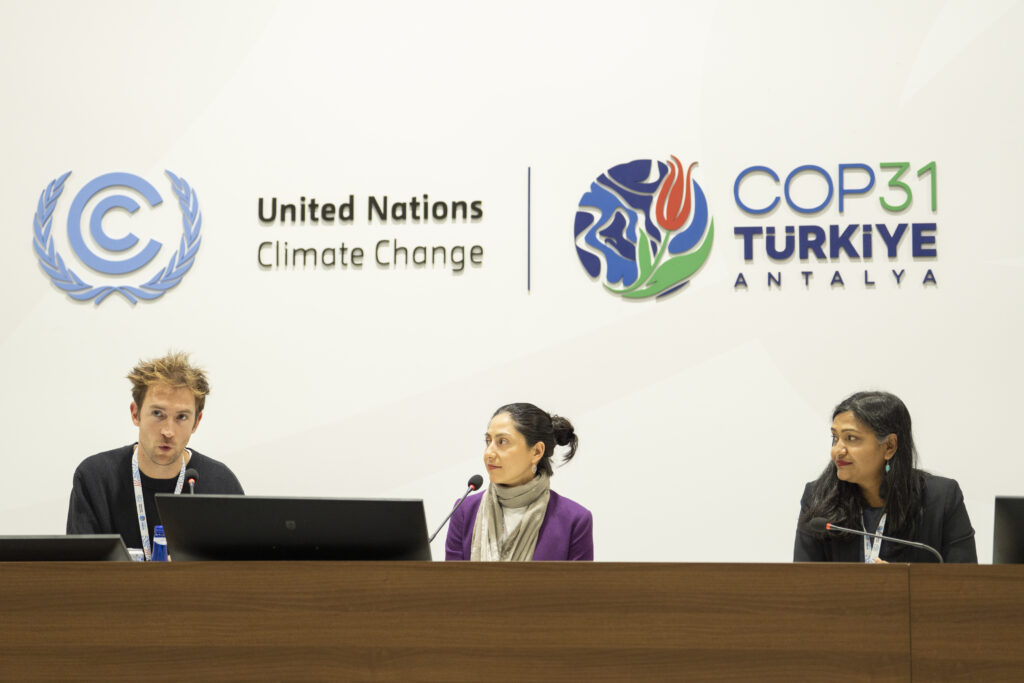
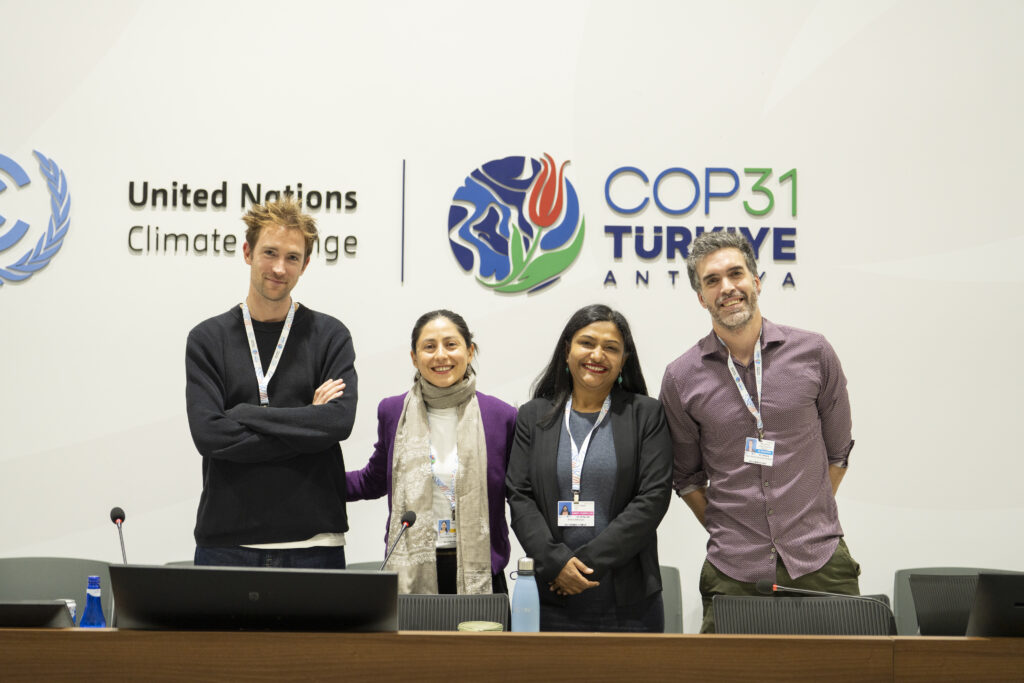
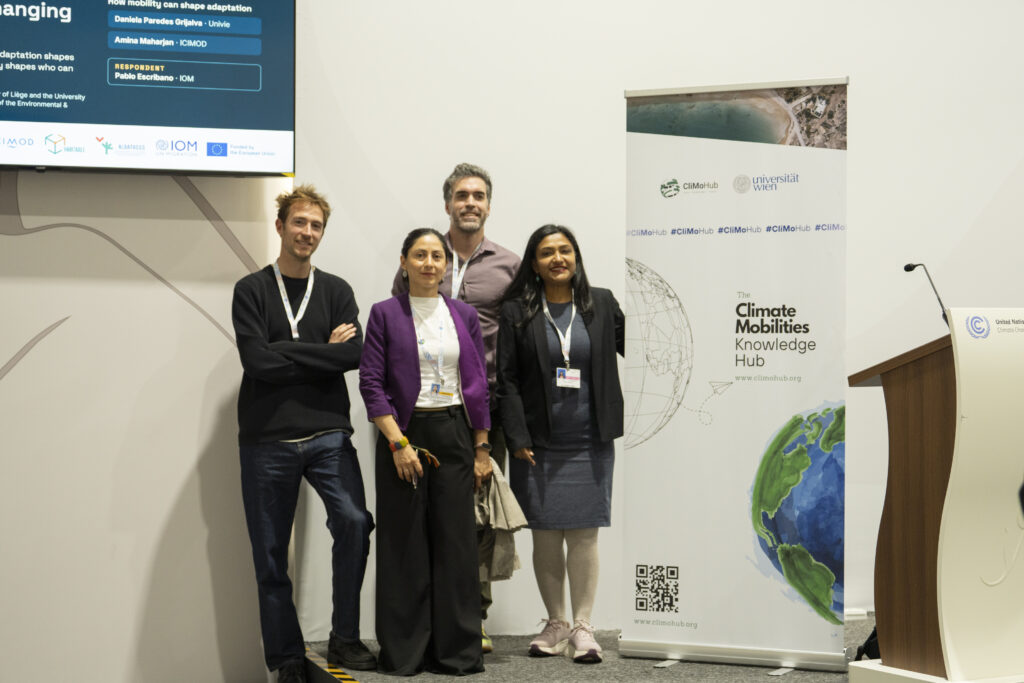
On 19 November 2026, at COP31 in Antalya, ALBATROSS took part in the side event “(Dis)entangling human (im)mobility and adaptation to a changing climate”, co-organised by the University of Liège and the University of Vienna, both founding members of the Environmental & Climate Mobilities Network (ECMN).
The session looked at two connections that adaptation policy often overlooks: how adaptation interventions shapes mobility, and how mobility shapes adaptation capacity.
Speaking on the first of these, Florian Debève Vermeiren (ULiège, The Hugo Observatory) presented early ALBATROSS findings. They draw on 60 lived-experience narratives collected in seven ALBATROSS hubs across Ghana, Kenya, Madagascar, South Africa and Tanzania. The main message was that nature-based solutions (NbS) do not determine whether people leave or stay, but they do shape how people decide, and how they fare afterwards.
- Not the outcome, but the decision. Leaving and staying occurred in similar ways among people engaged with NbS, and both could lead to improved living conditions. NbS did not push people towards one choice or the other.
- A positive role in the decision. In almost all the stories, people described NbS as playing a positive role in their decision. Most often, NbS helped steer it towards better living conditions; in other cases, they helped people overcome obstacles or cushion setbacks.
- Wellbeing, not just mobility. Most participants felt better off after their decision, whether they left or stayed. For adaptation policy, the question is therefore whether NbS expand people’s freedom to choose and their wellbeing, rather than counting who moves.
Kira Vinke (DGAP) also spoke on the first pathway. Daniela Paredes Grijalva (University of Vienna) and Amina Maharjan (ICIMOD) addressed the second, based on their experience is recent research projects. Pablo Escribano (IOM) responded by linking both pathways to the ongoing negotiations on the Global Goal on Adaptation, National Adaptation Plans, Loss & Damage, and others.
The session closed with a lively exchange with the audience.
The findings come from ALBATROSS Deliverable 4.5, which assesses the mechanisms through which NBS influence mobility and local livelihoods, led by Cherié Forbes (University of Cape Town) with Petra Holden, Gerald Ngoma, Saray Quirant Perez and Florian Debève Vermeiren. The full results will follow.