ALBATROSS Research School: lectures, field trip and group work on nature-based solutions and climate services
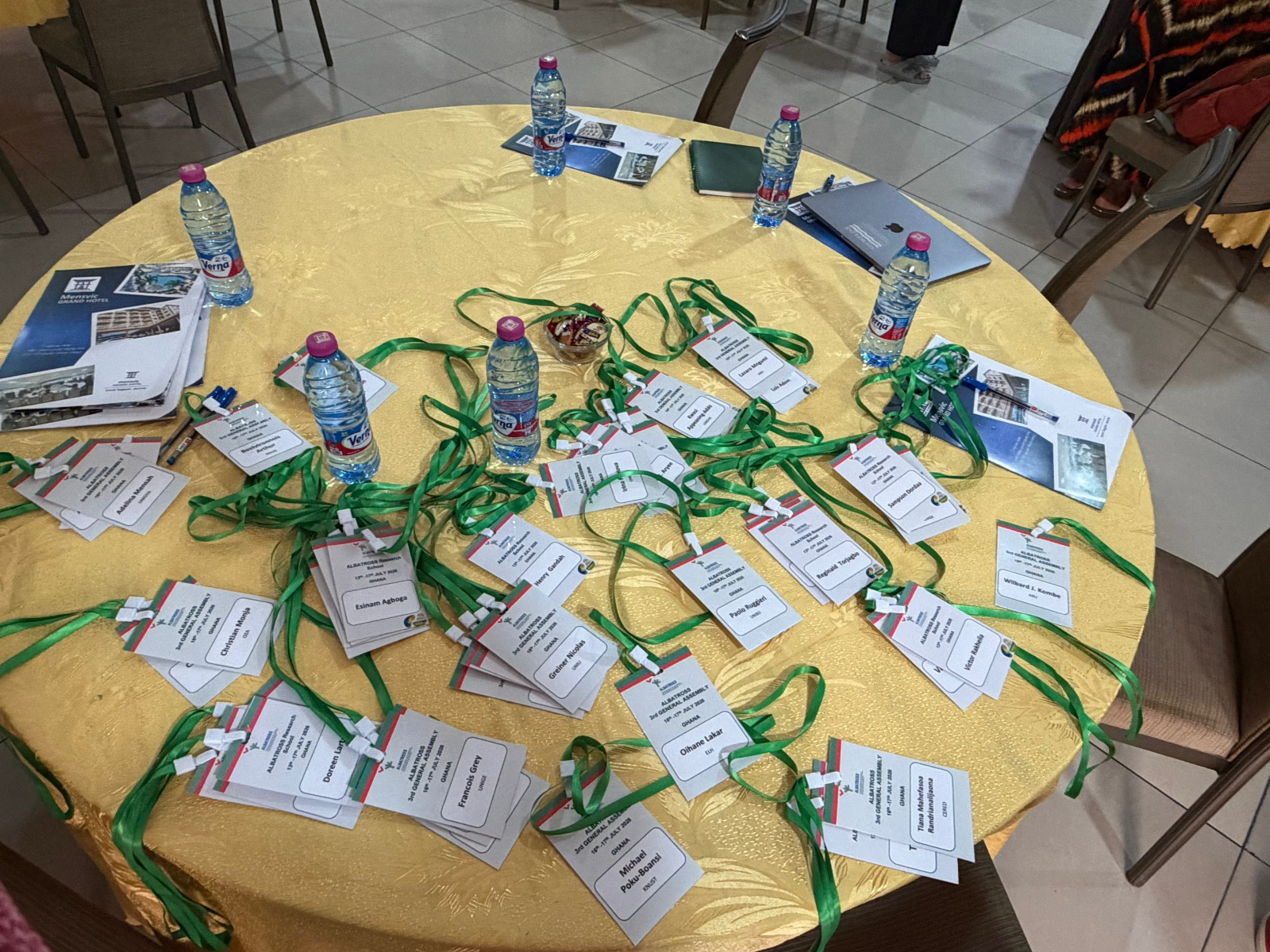
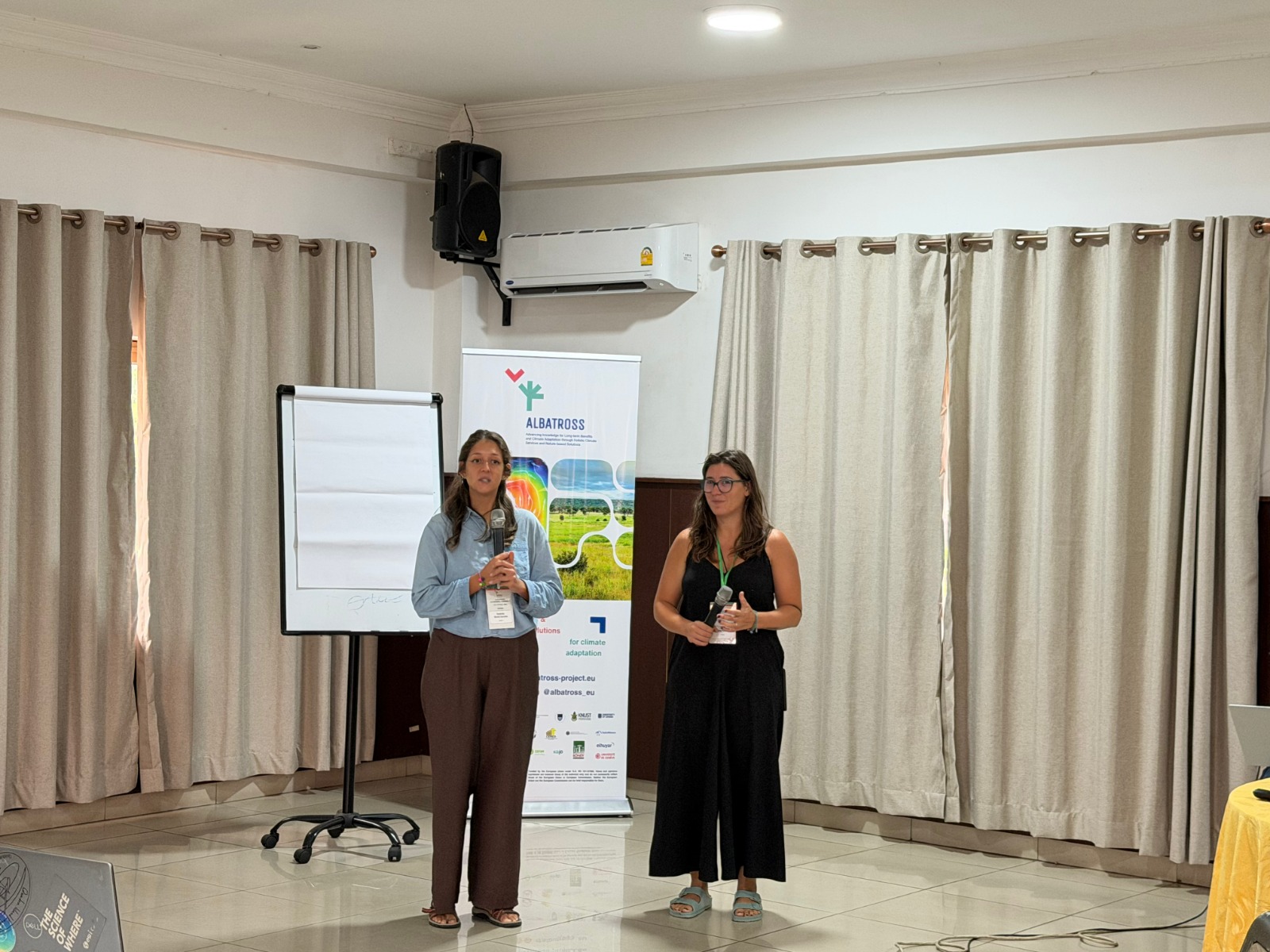
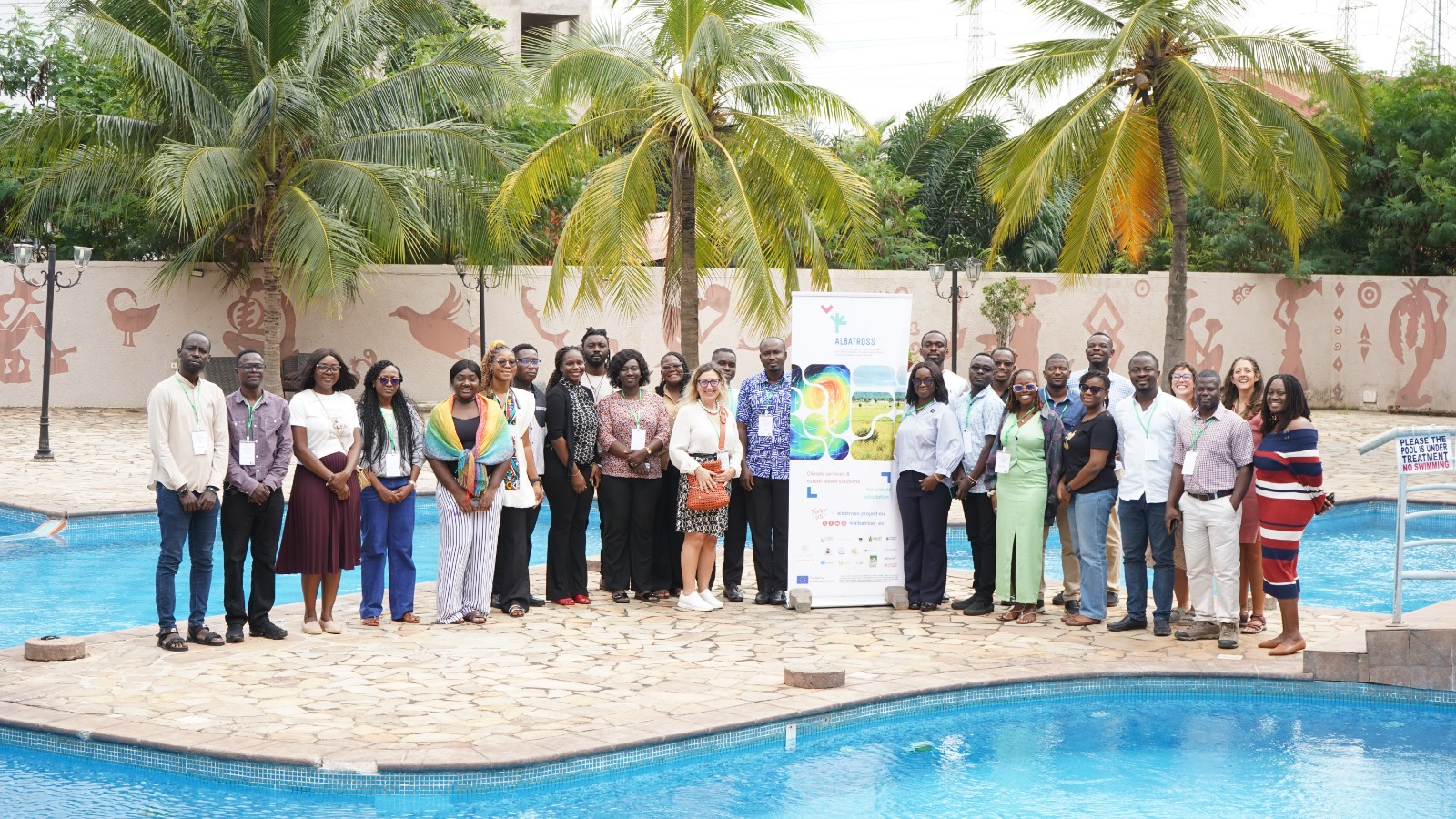
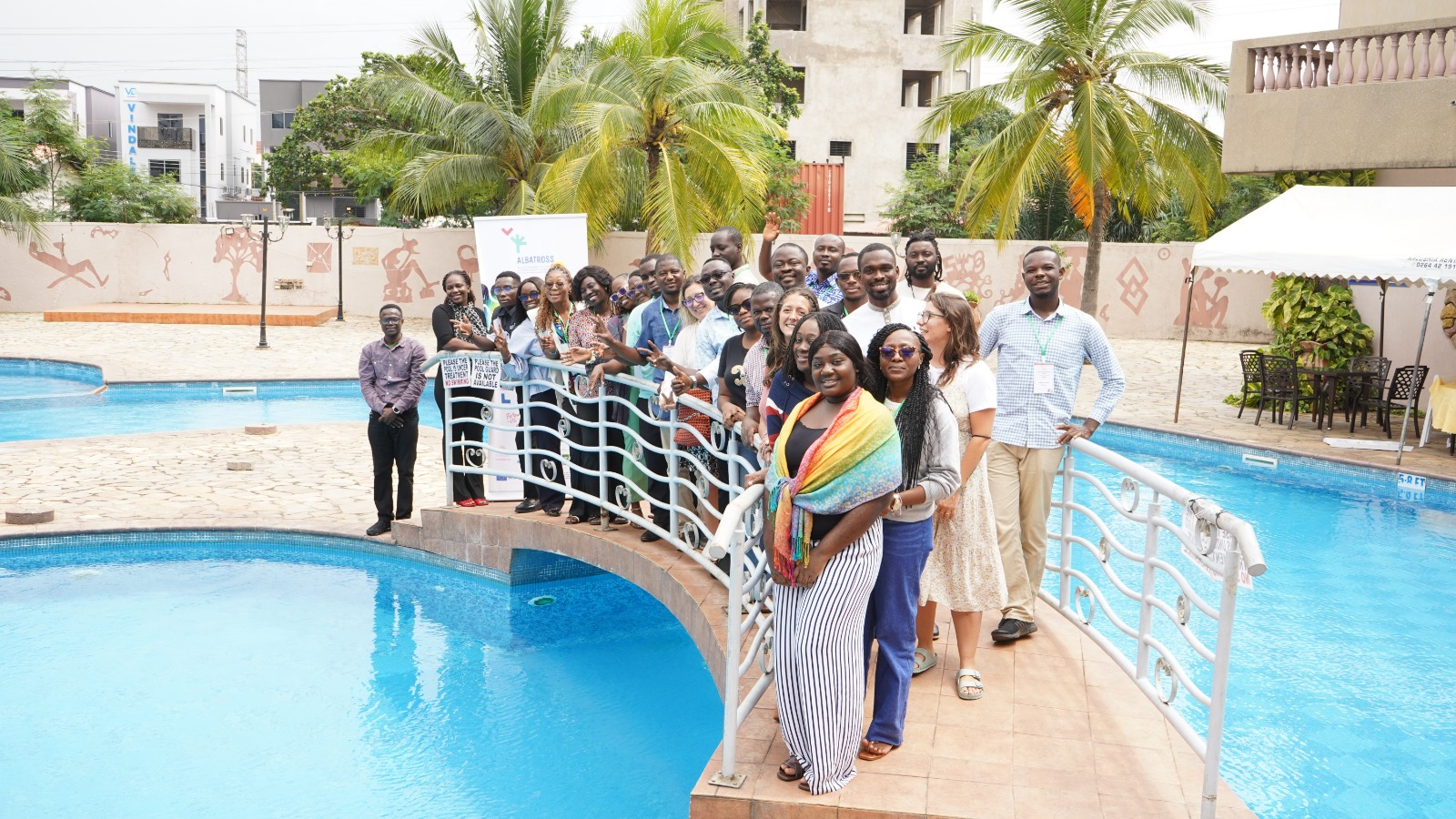
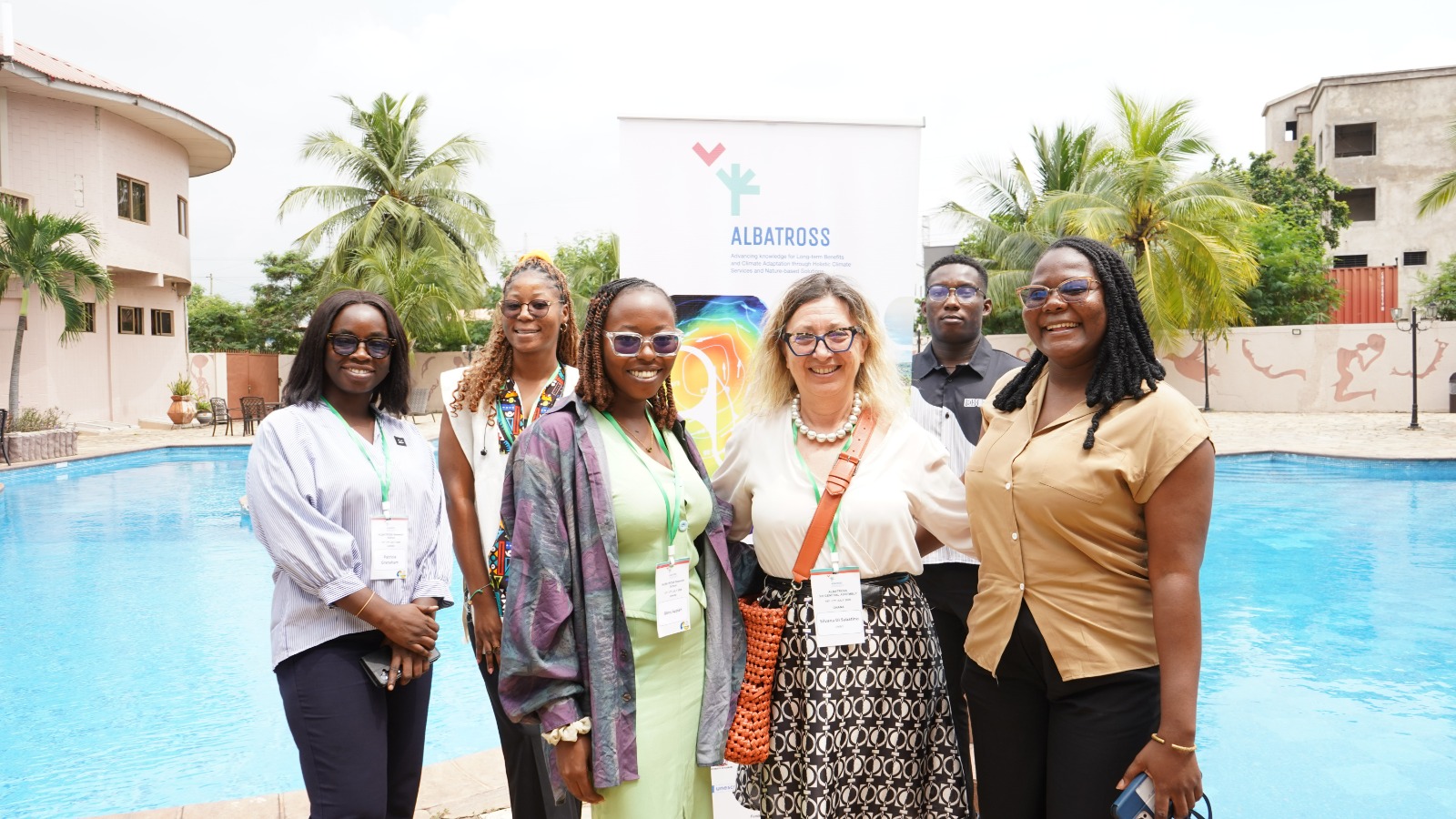
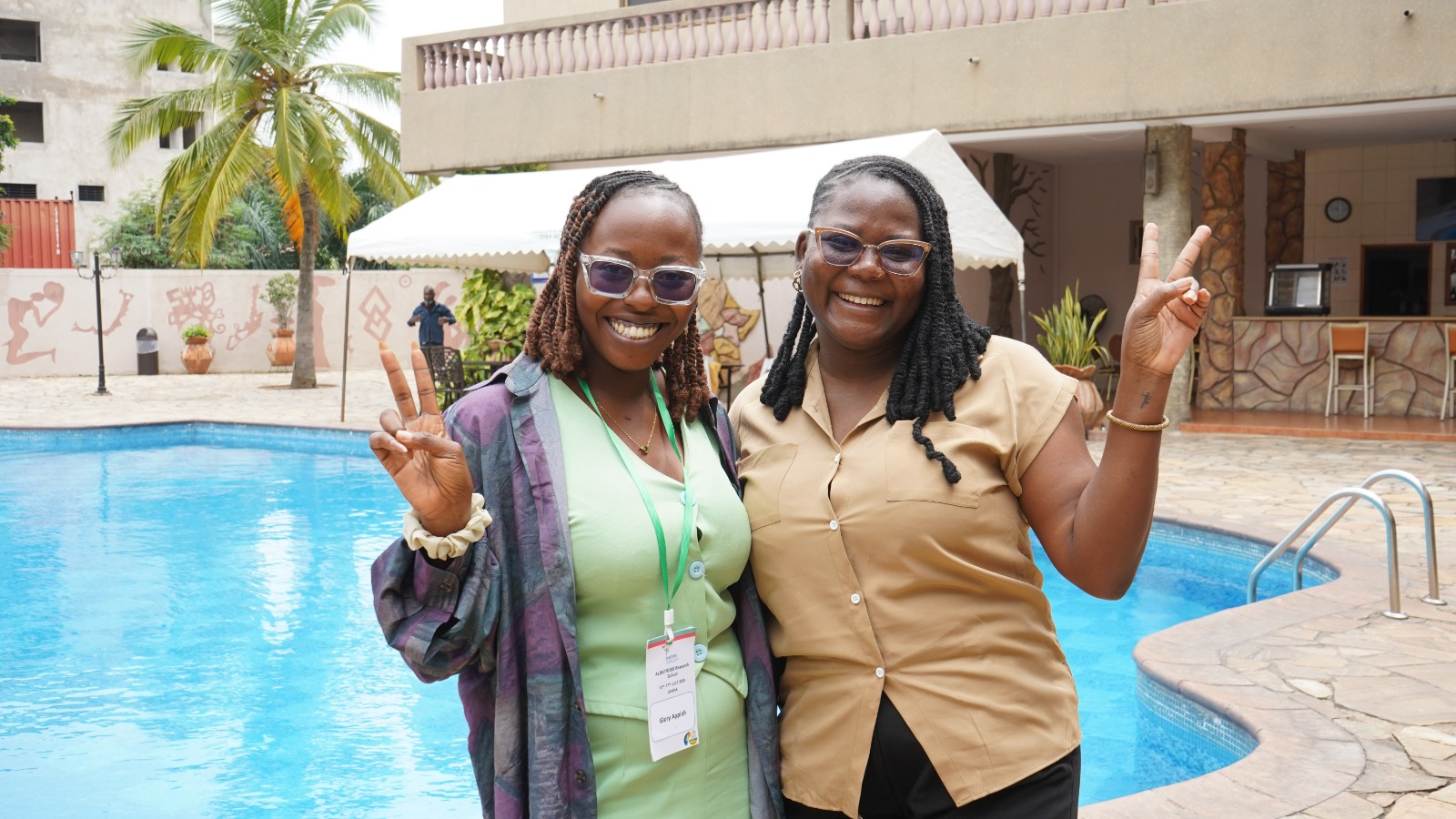
From 13 to 17 July 2026, the first ALBATROSS Research School was held in Accra, Ghana, coinciding with the 3rd General Assembly of the project.
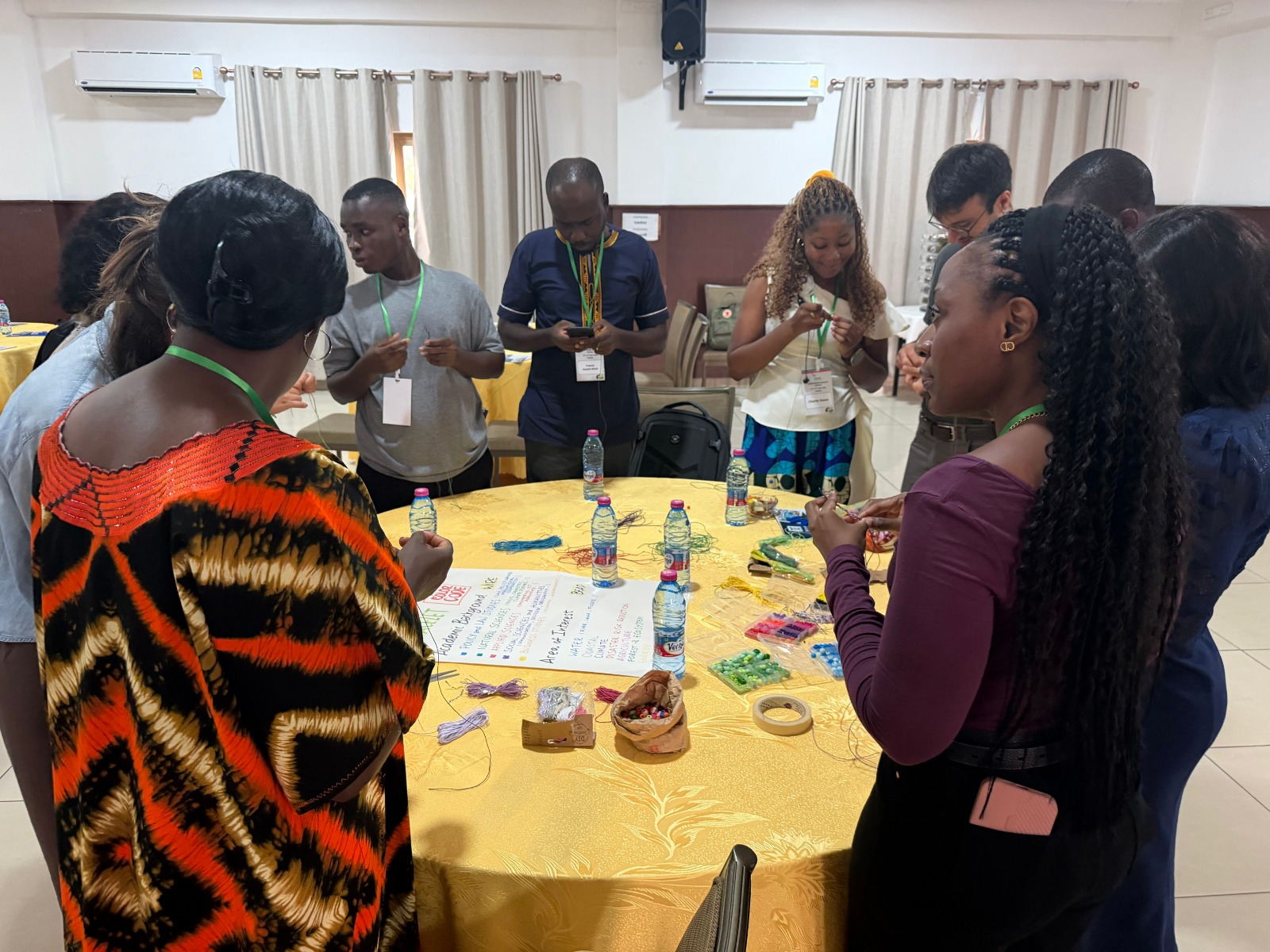
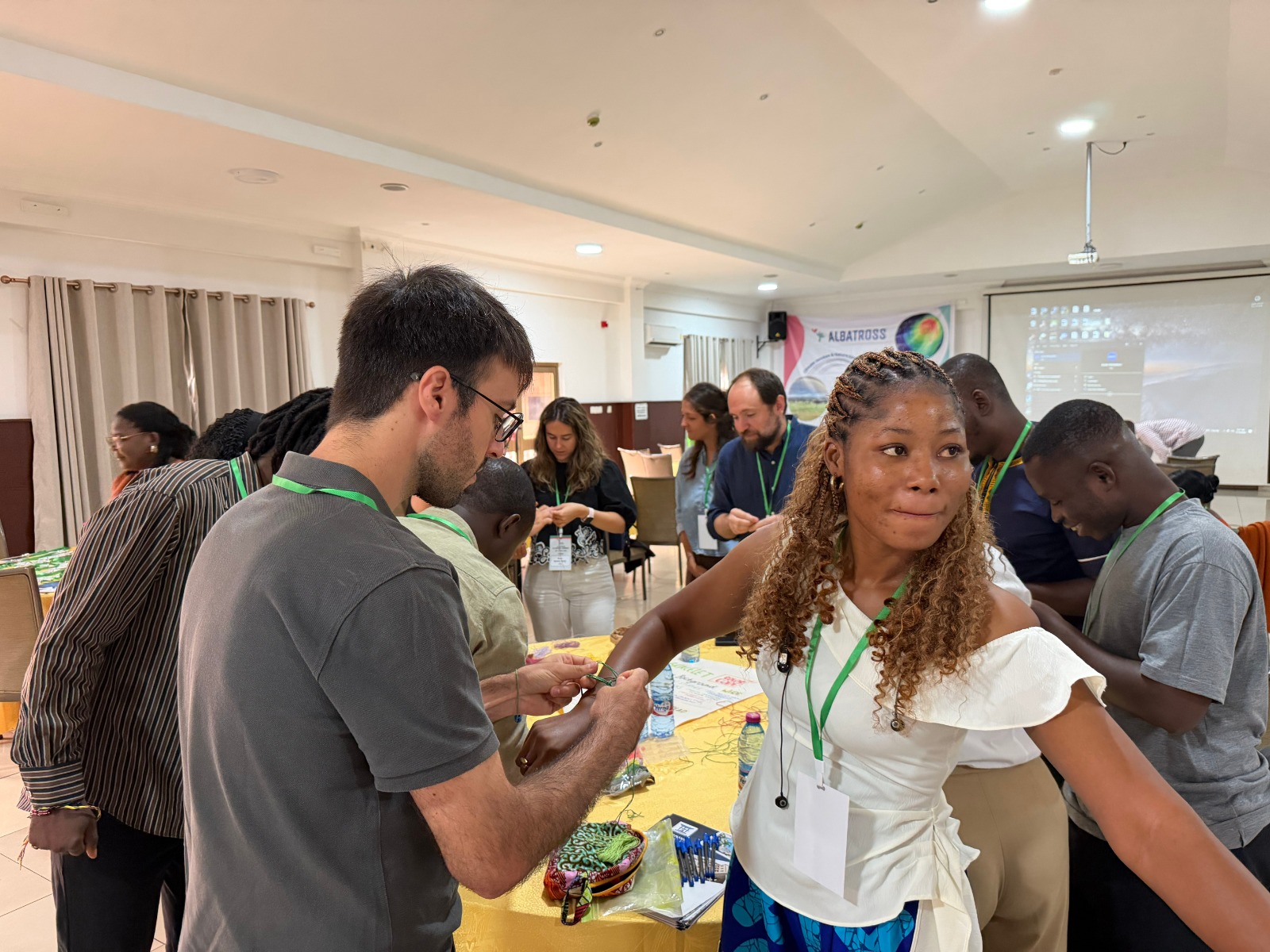
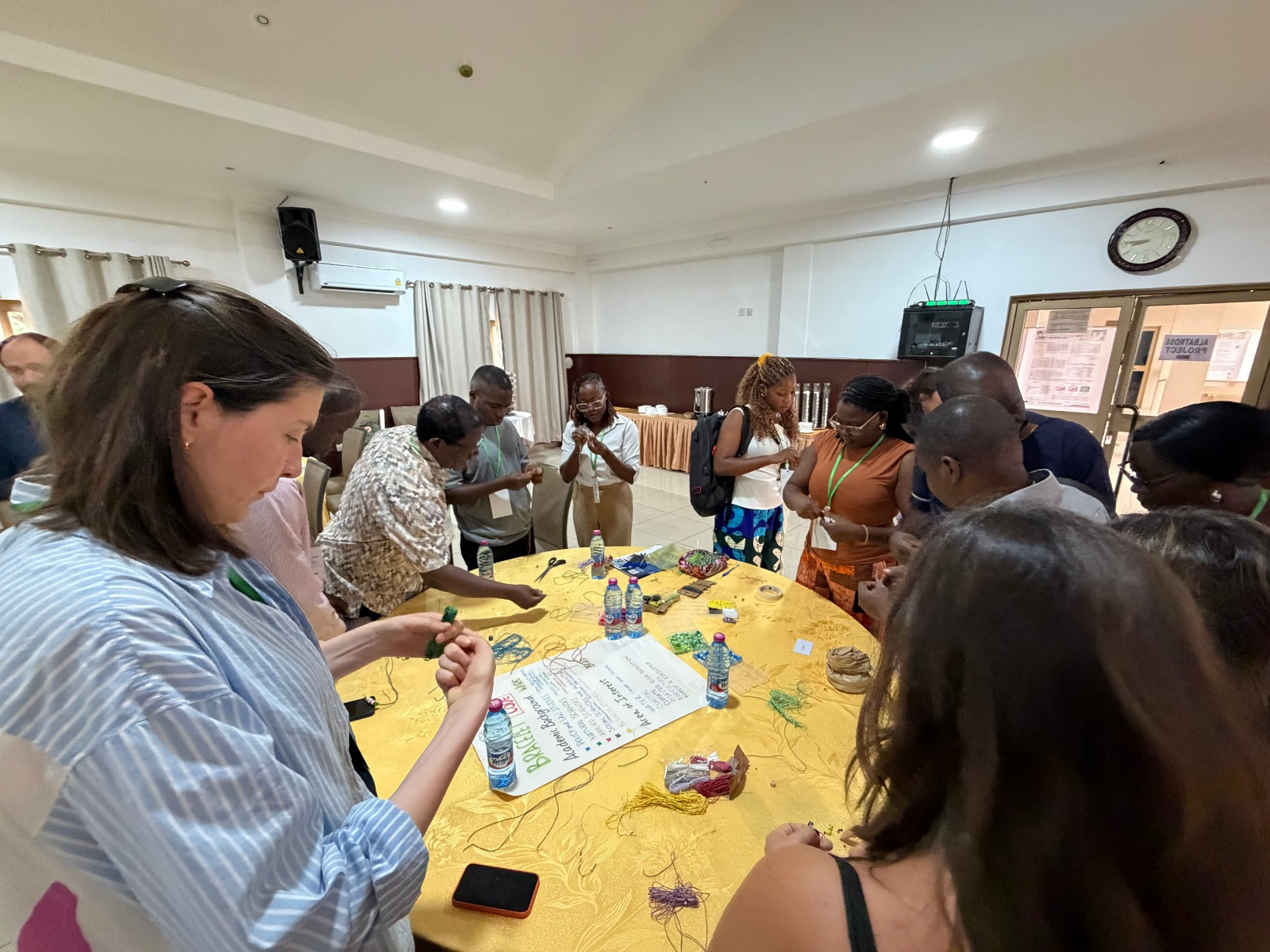
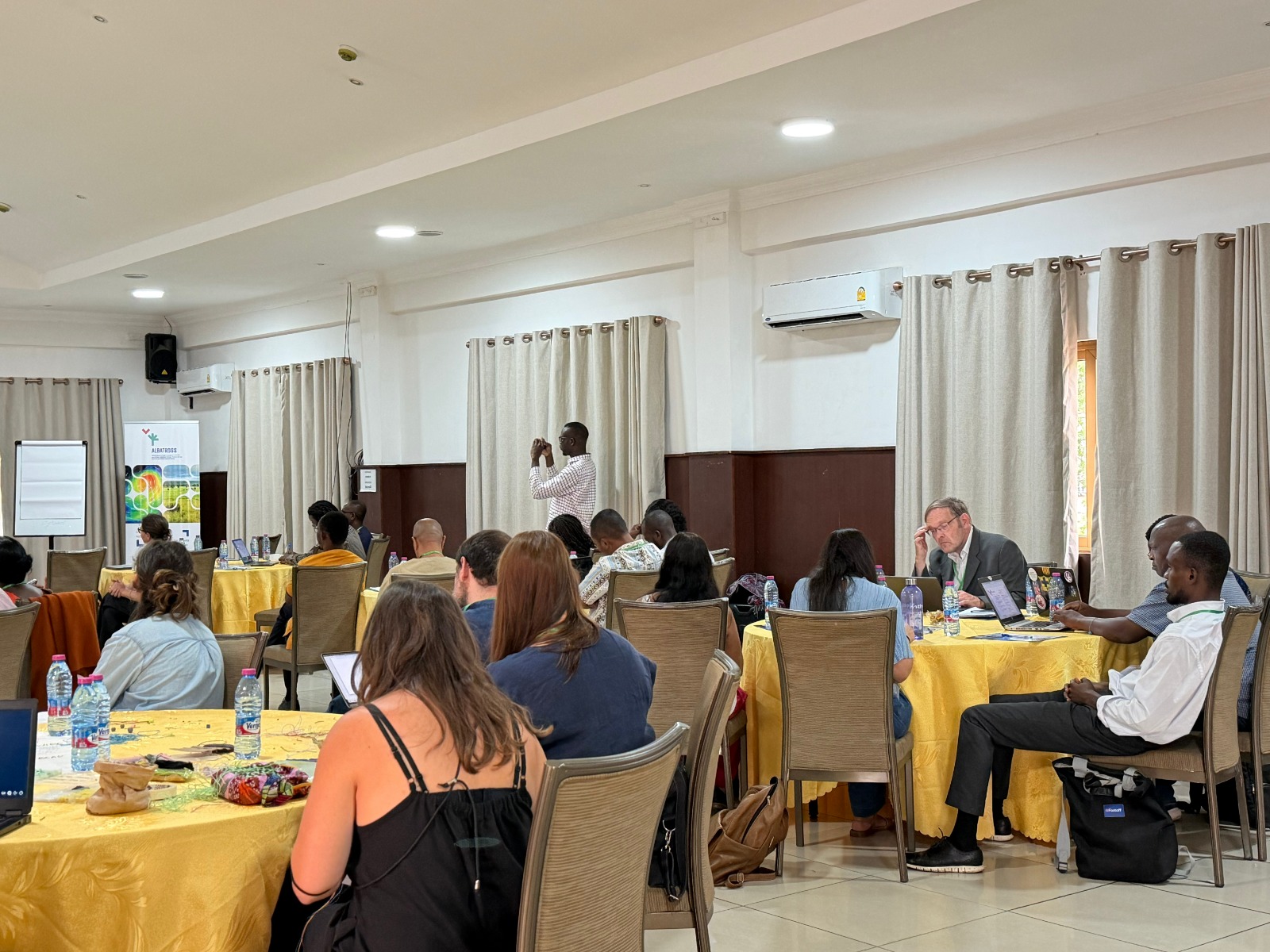
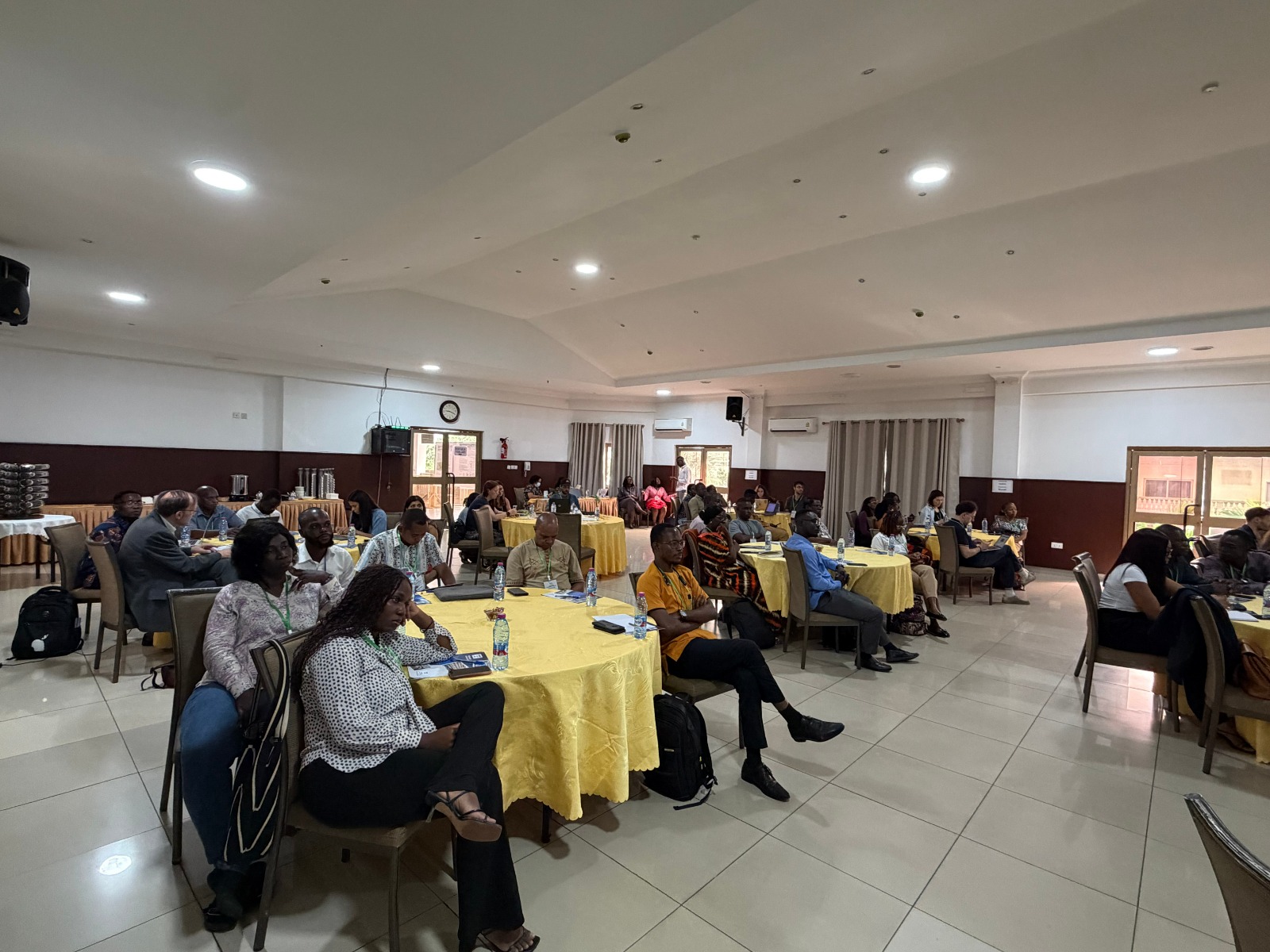
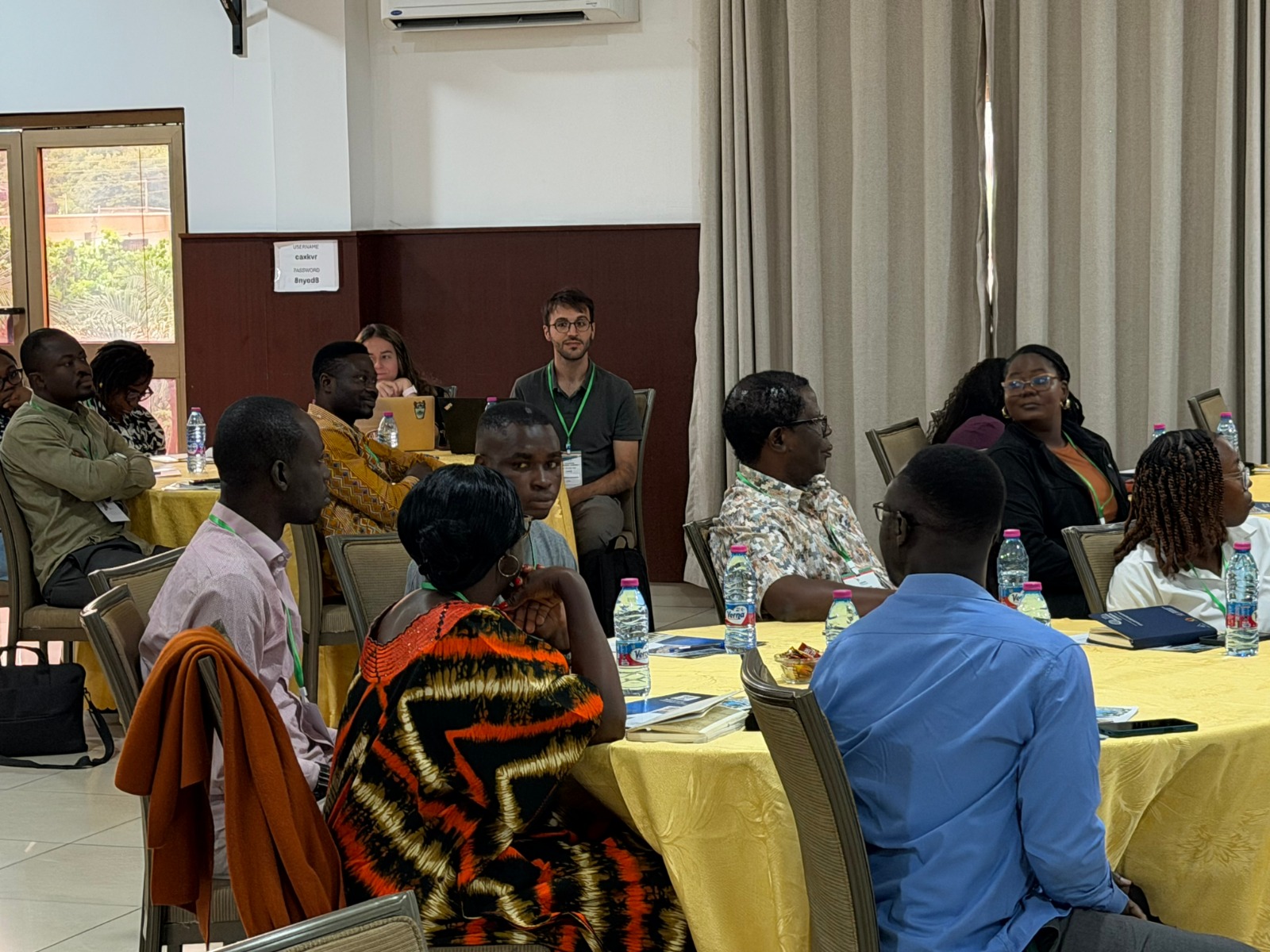
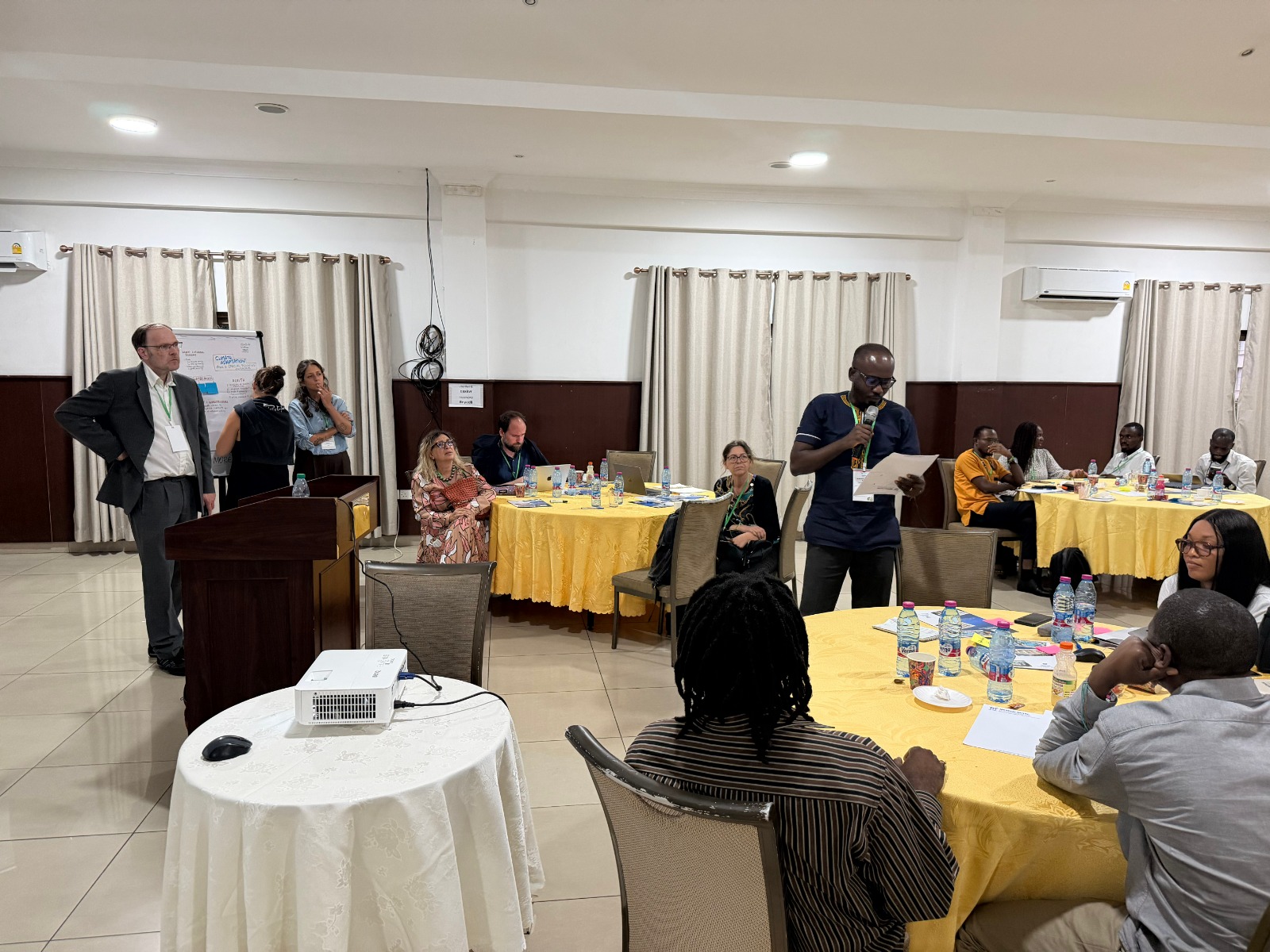
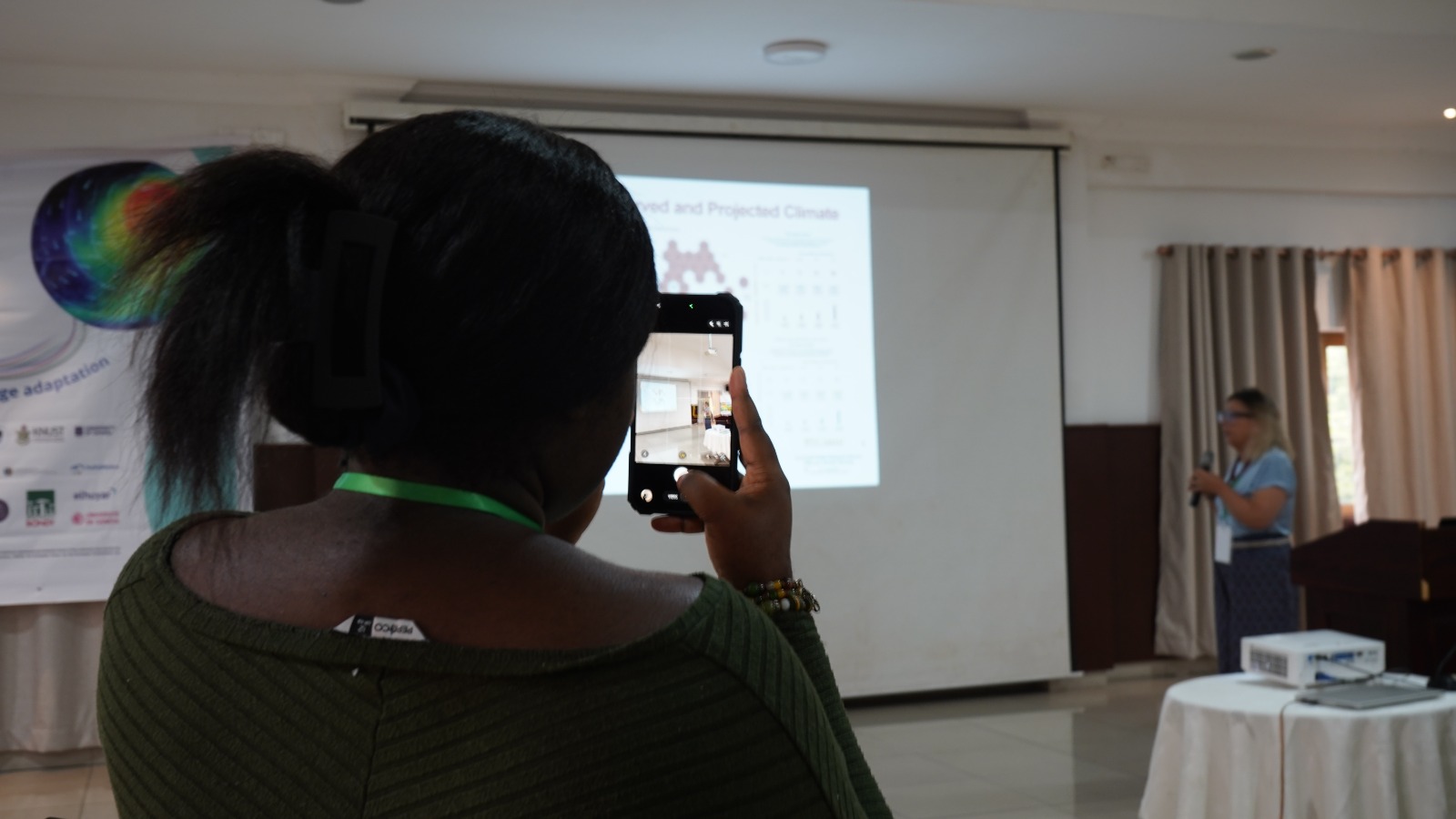
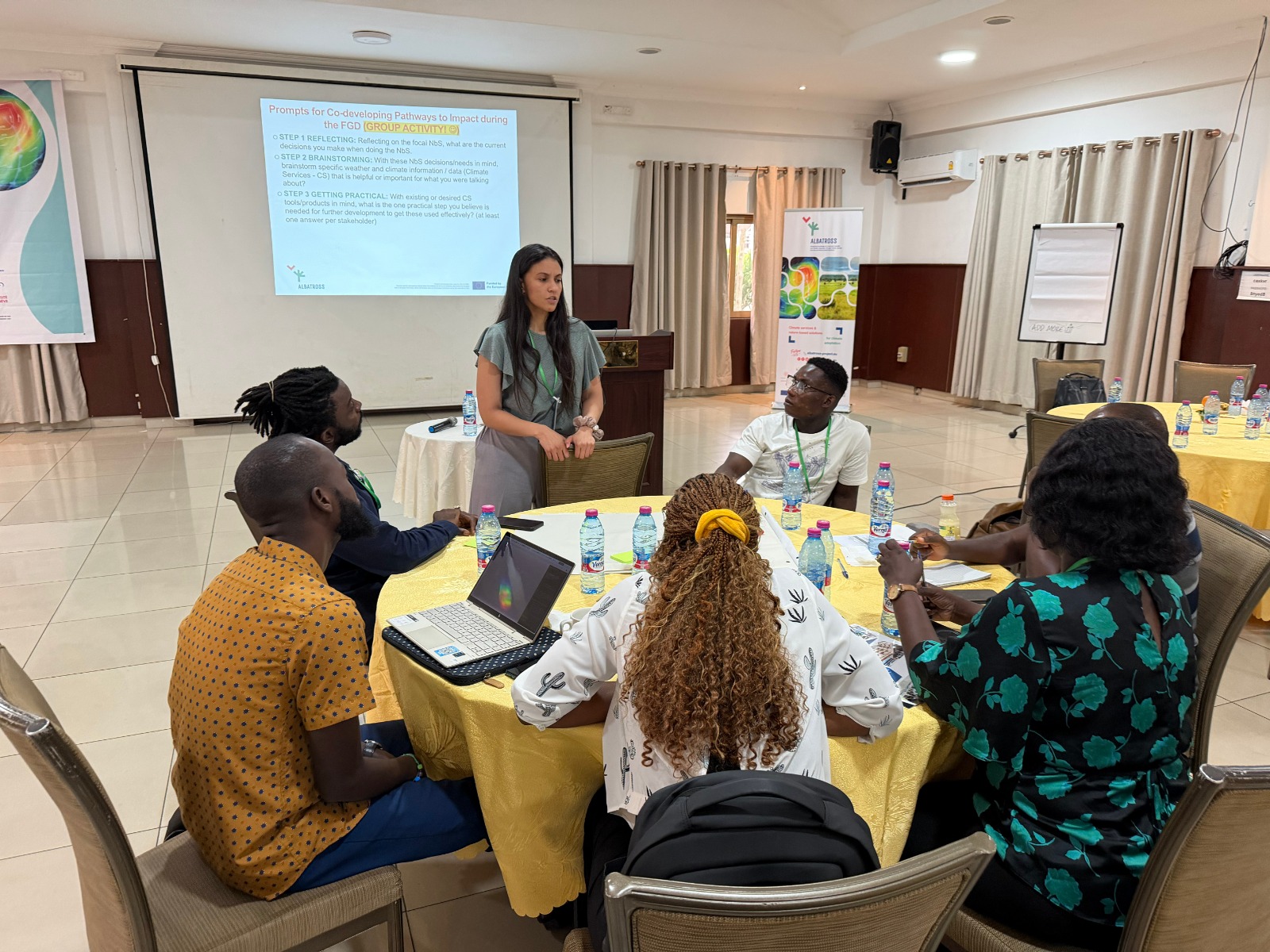
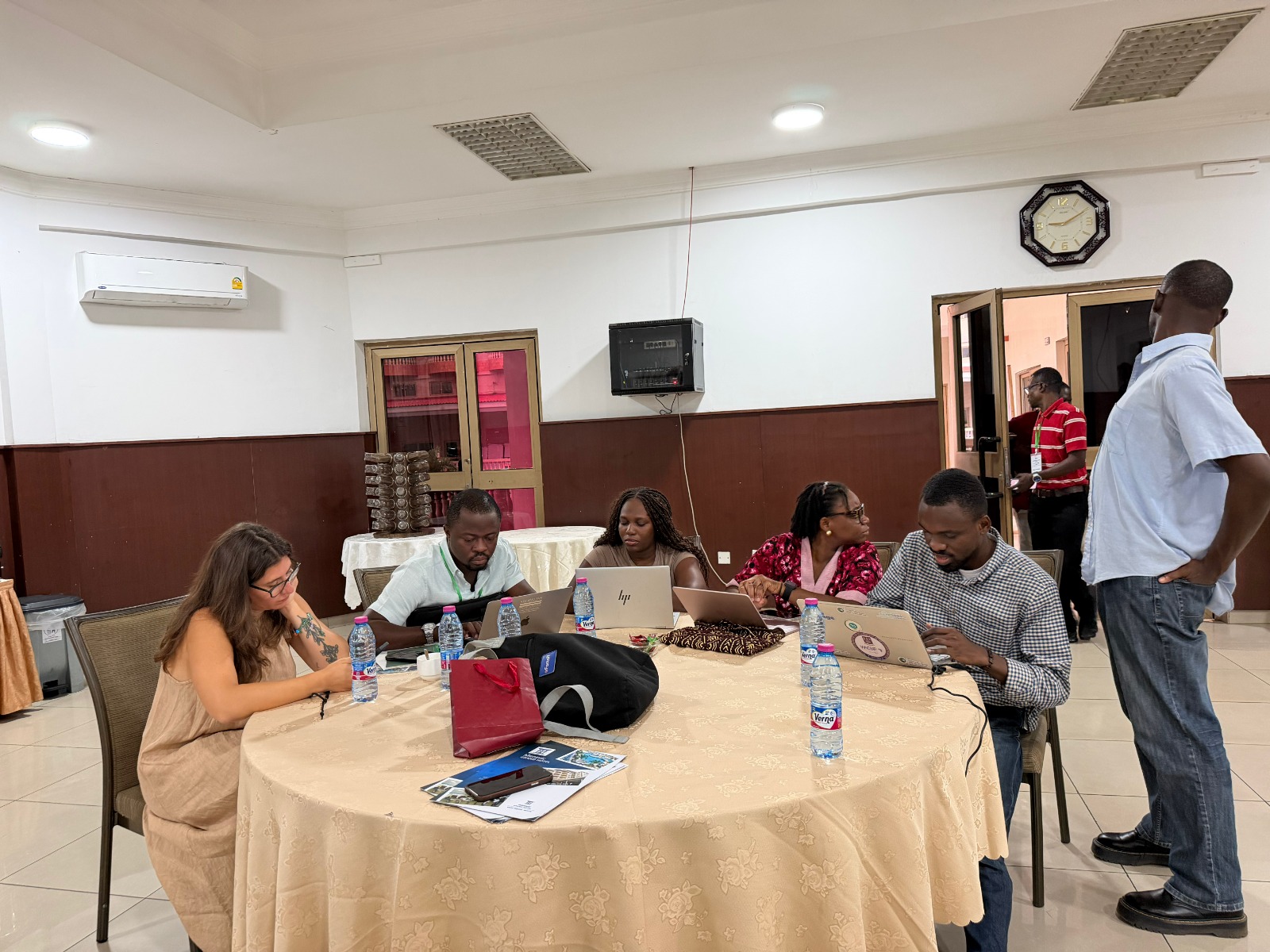
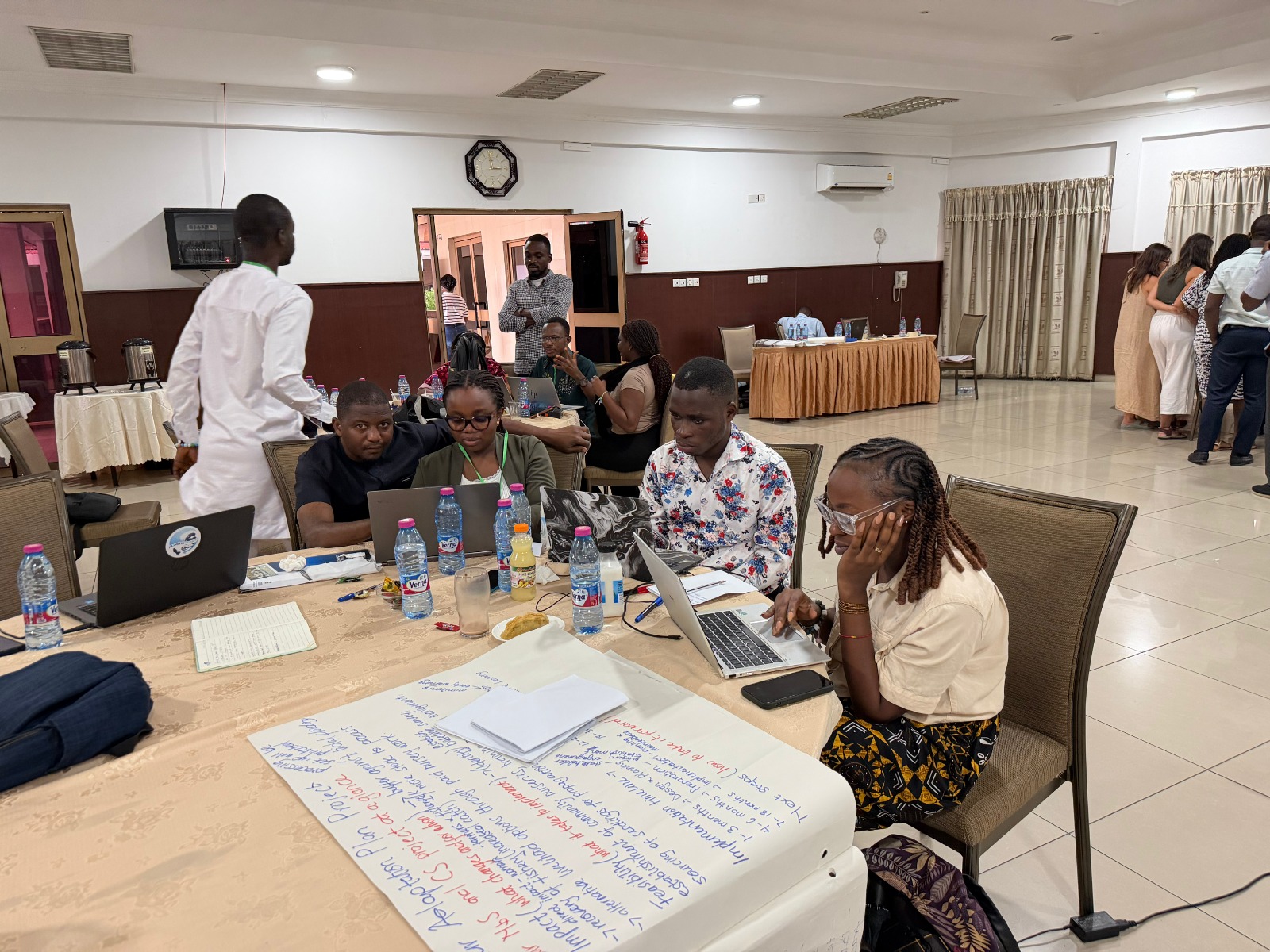
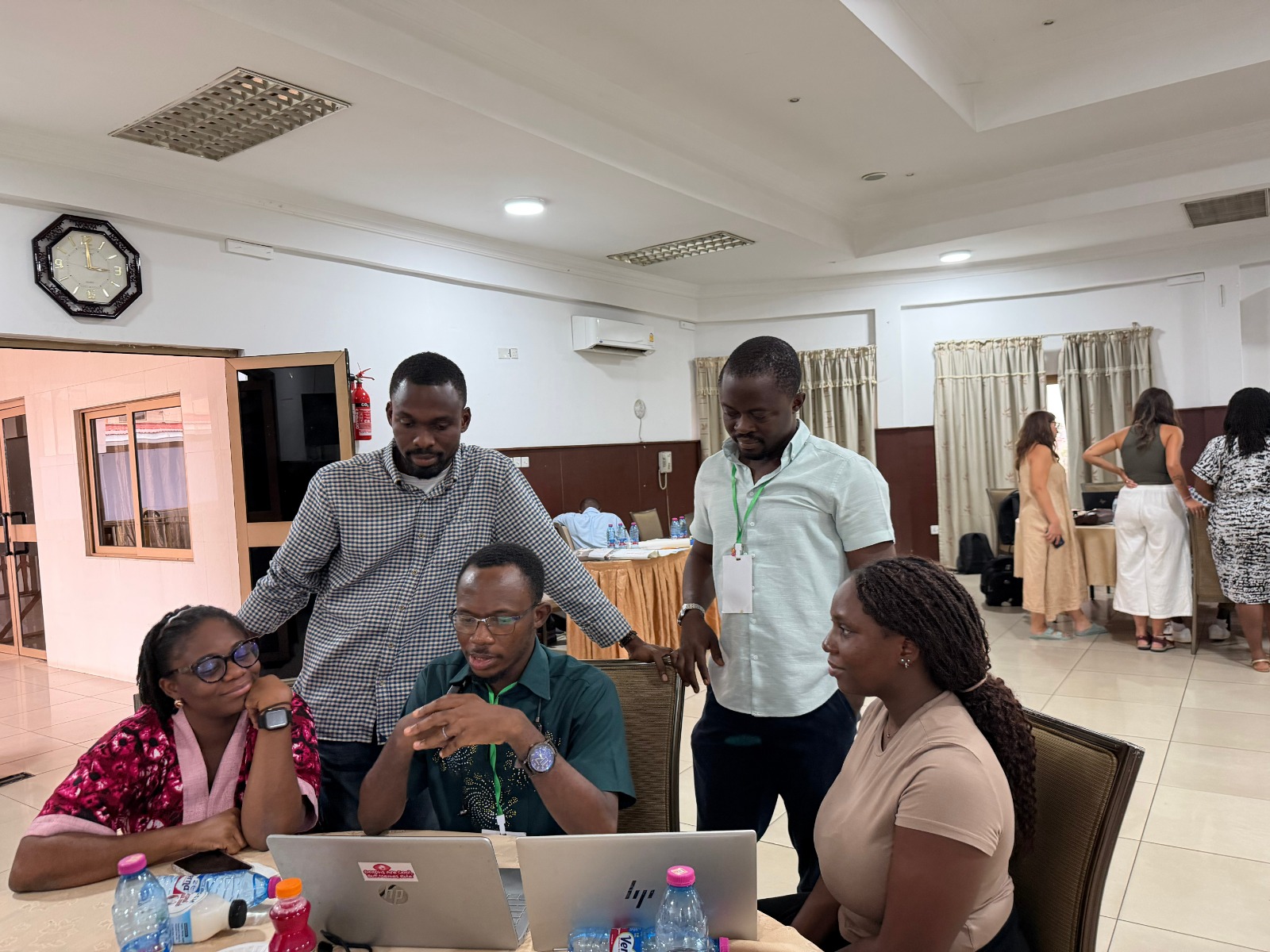
20 young students, most of them researchers, PhD students, and also some practitioners coming from different NGOs or managers of environmental initiatives, participated in this school. During five days, they received lectures, participated in the visit to the Keta hub, and were immersed in group work. The final outcome of this participation was the design of a project related to a nature-based solution integrating climate services by groups, and all the previous work served to provide them with the knowledge needed to conceive it.
Most participants were Ghanaian, both from the University of Ghana and KNUST, but there were also students from Nigeria and Tanzania. The selection of the students was made from a total of more than 70 applicants, with the selected students that best fit the aims pursued by ALBATROSS in the delivery of the research school.
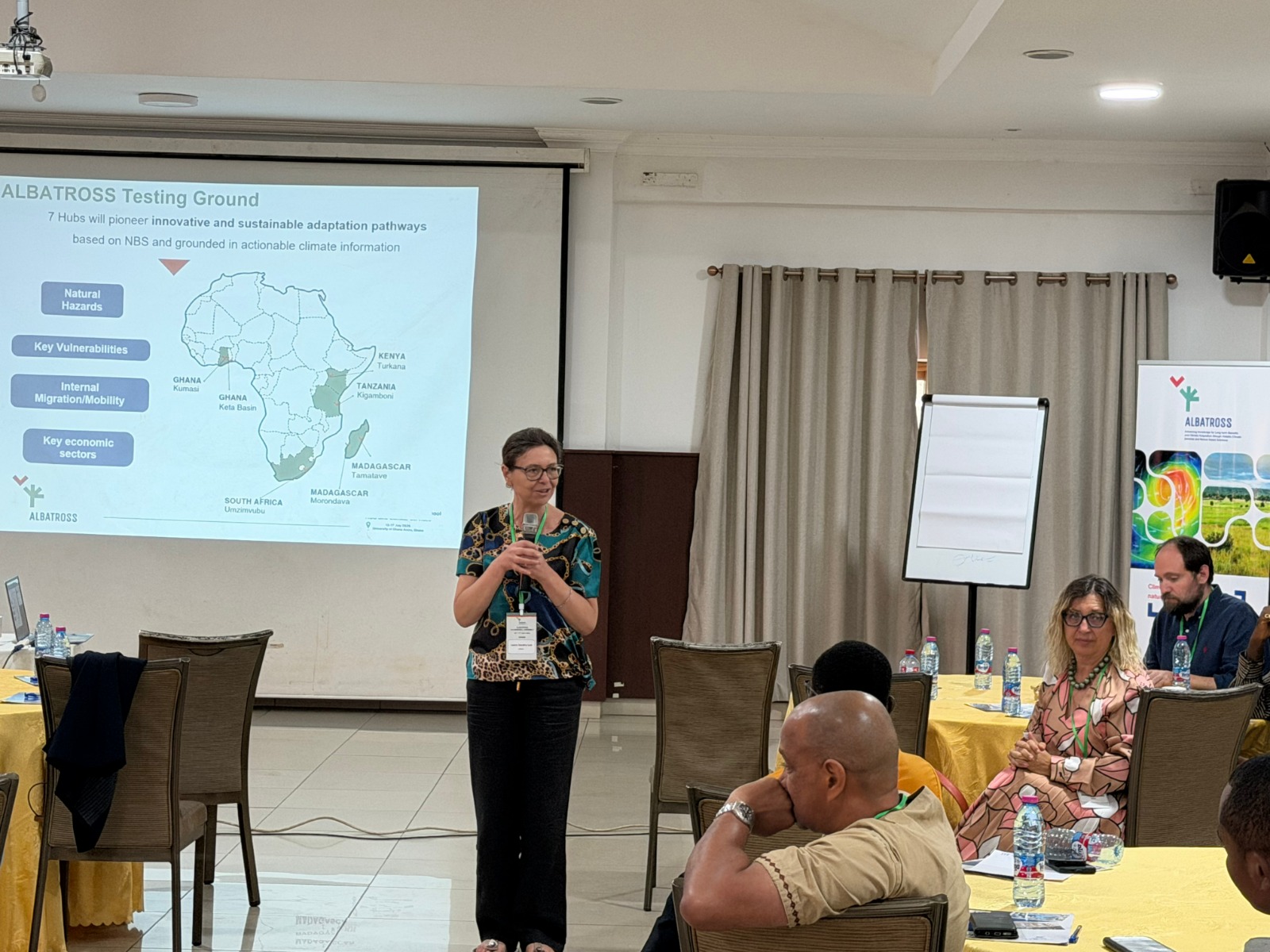
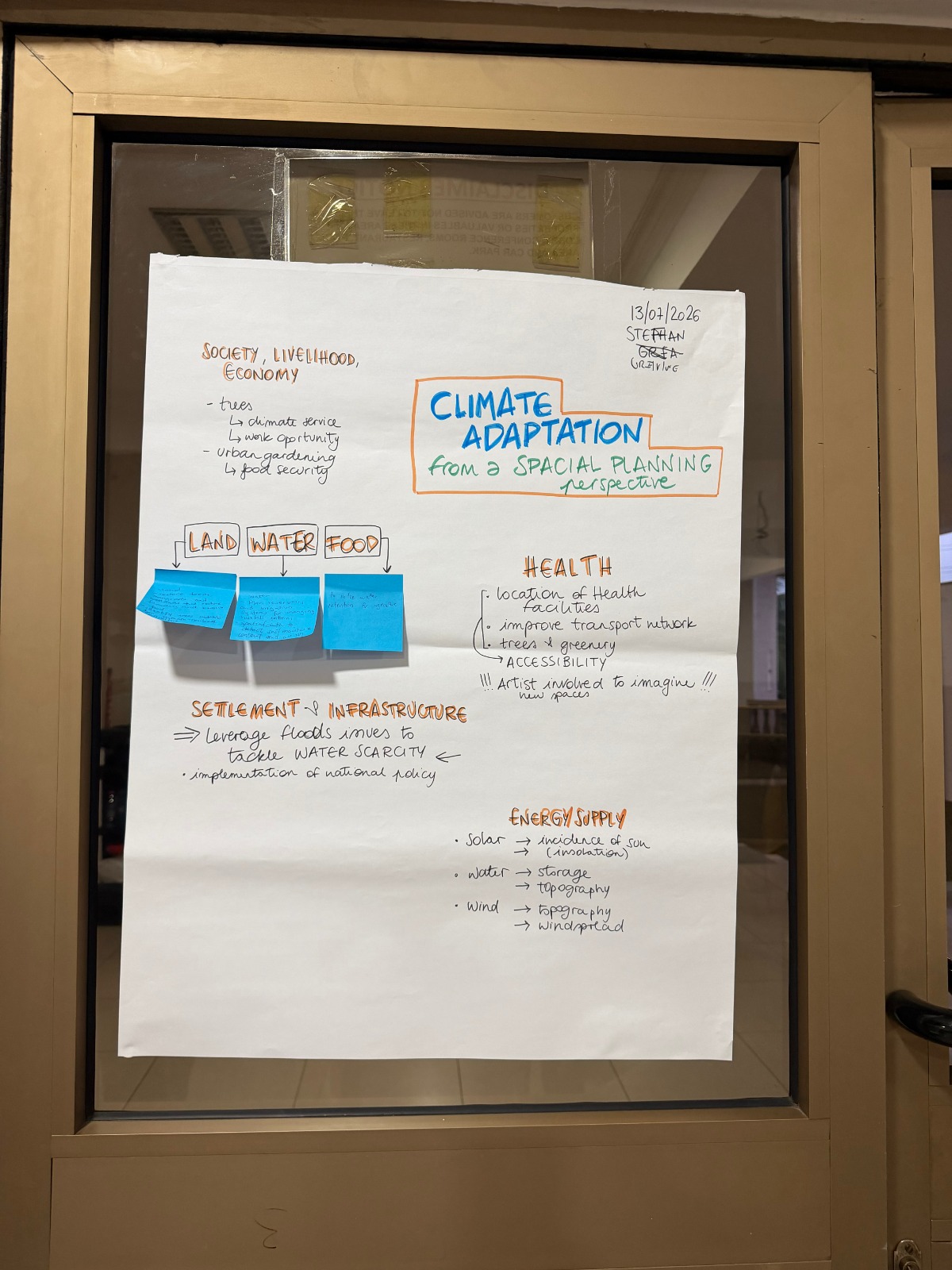
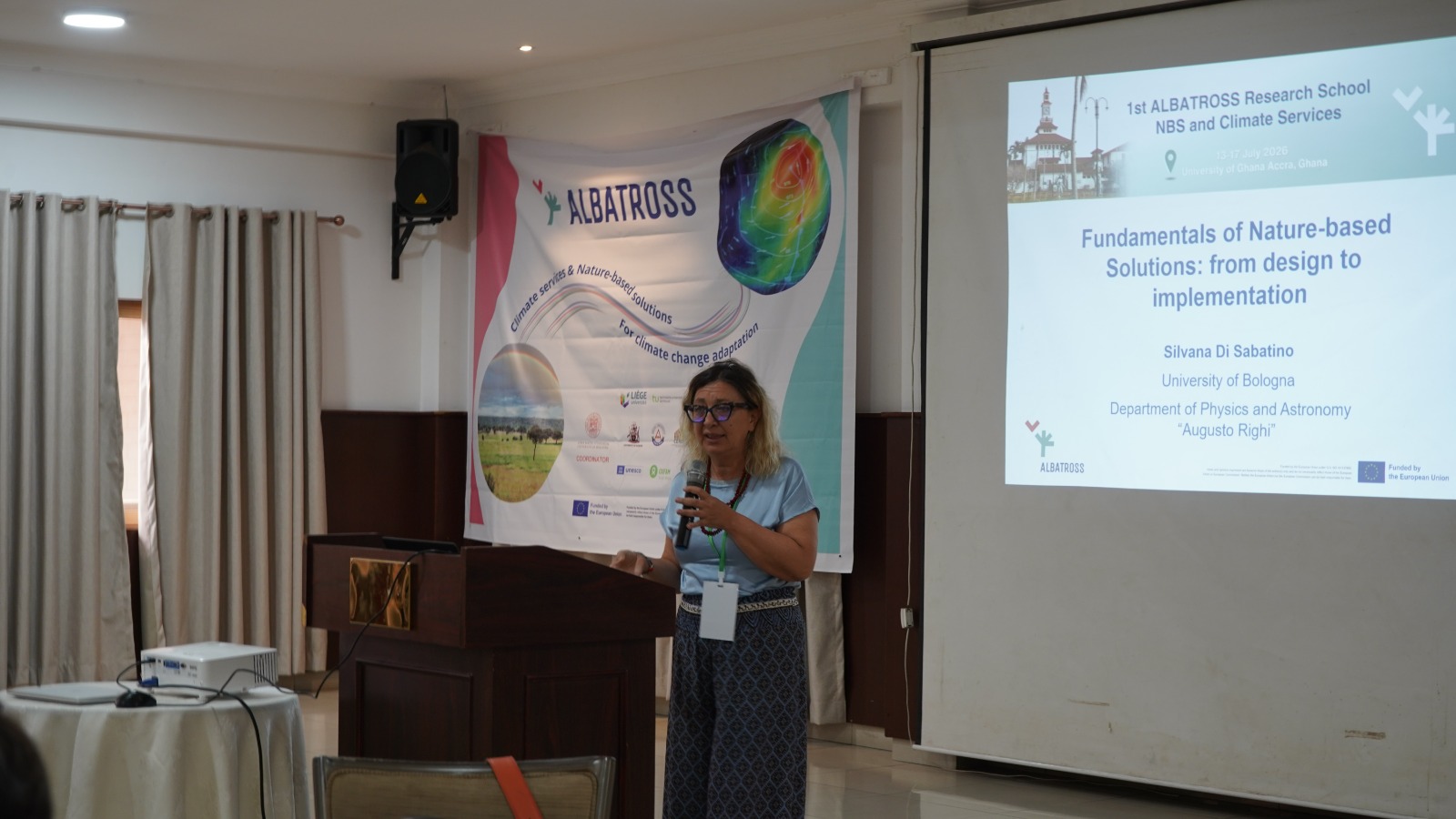
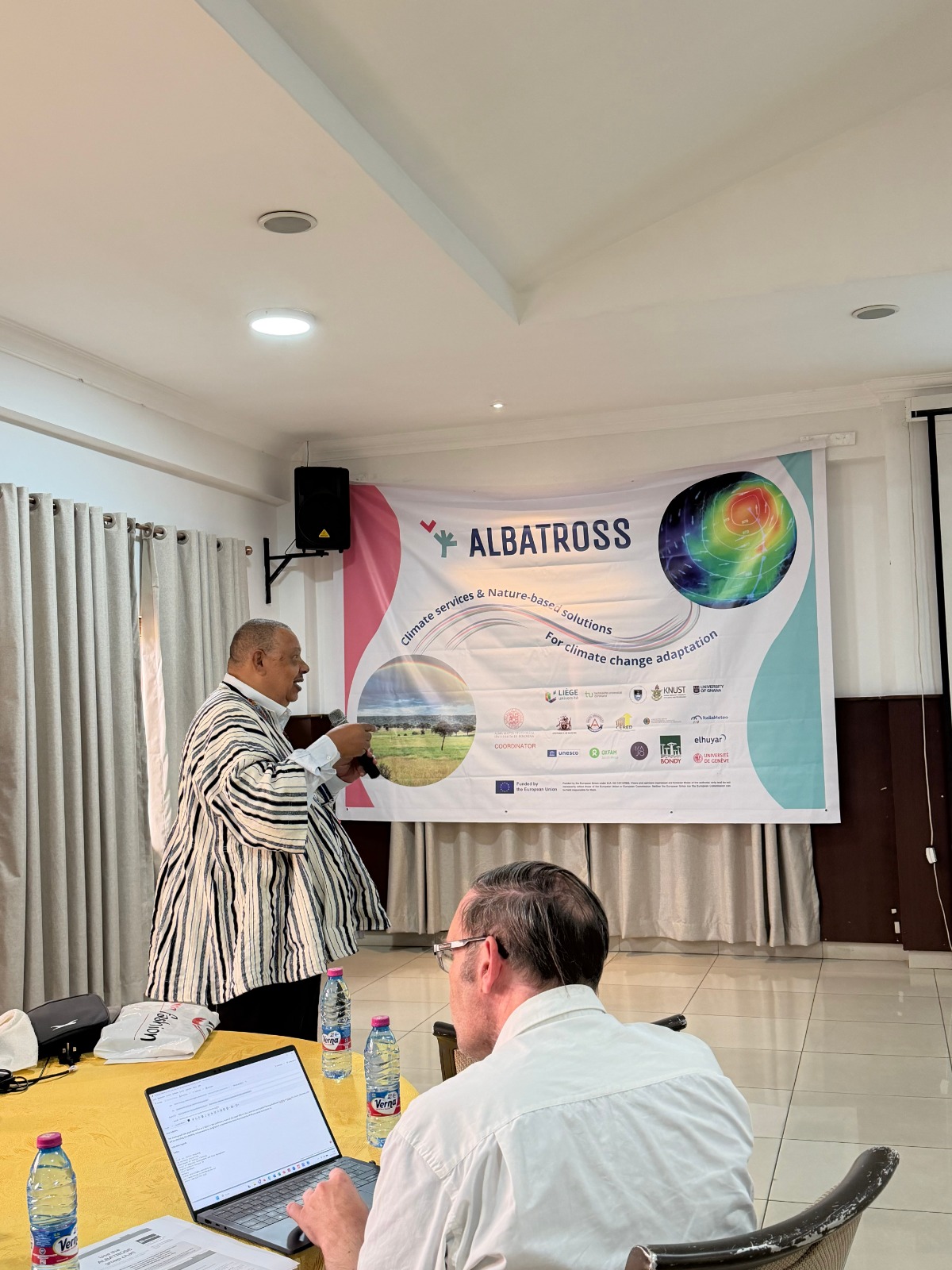
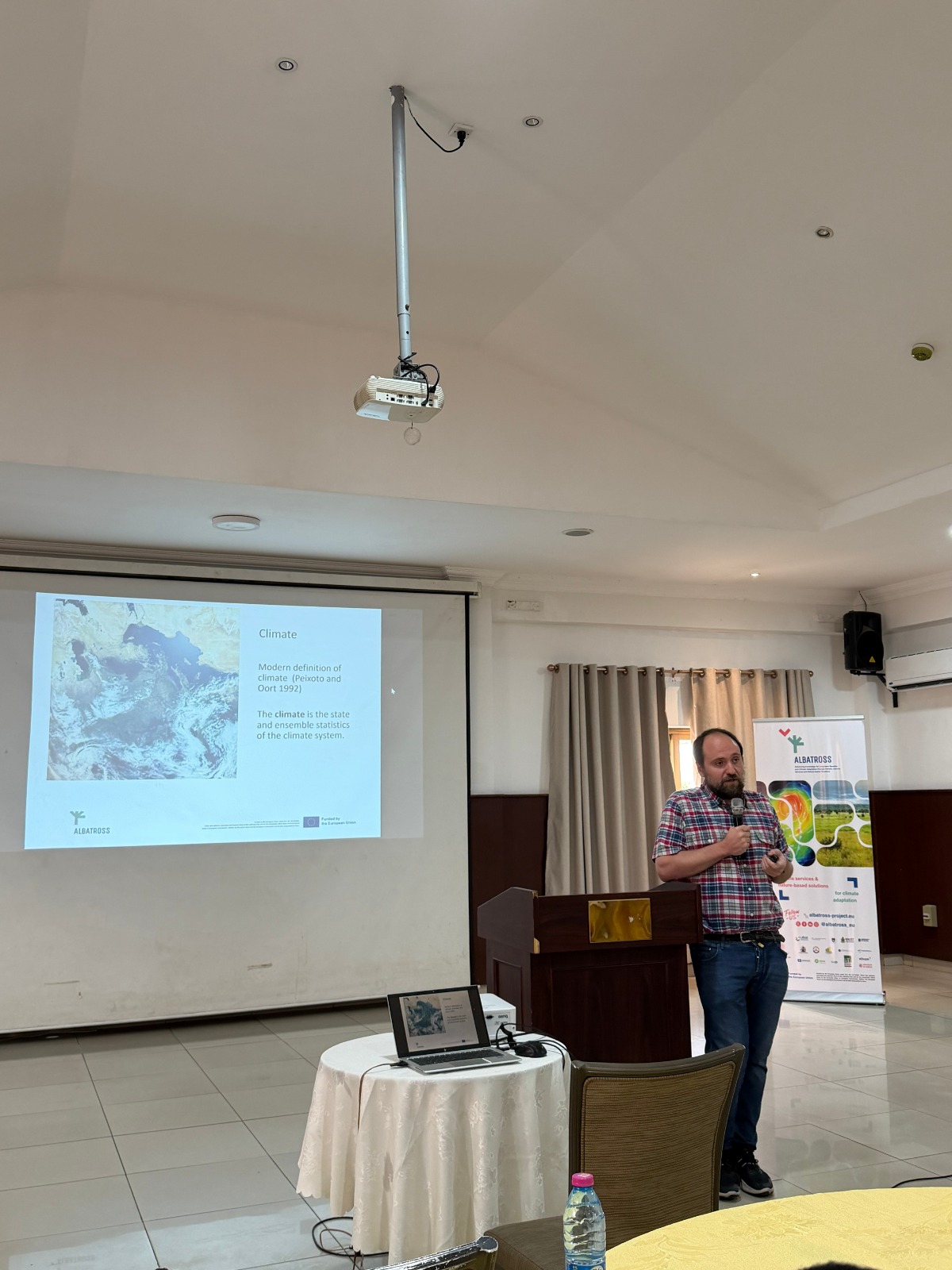
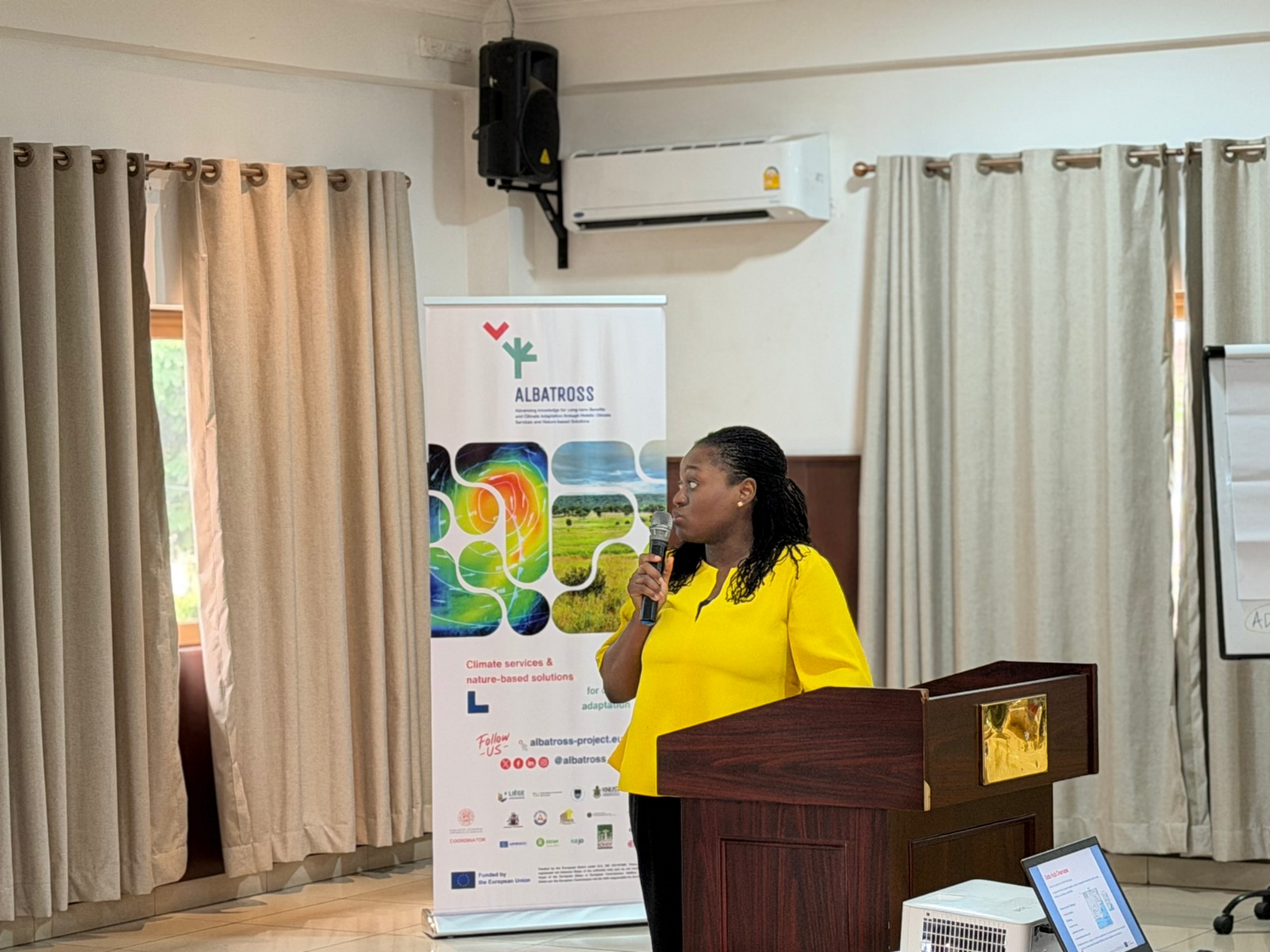
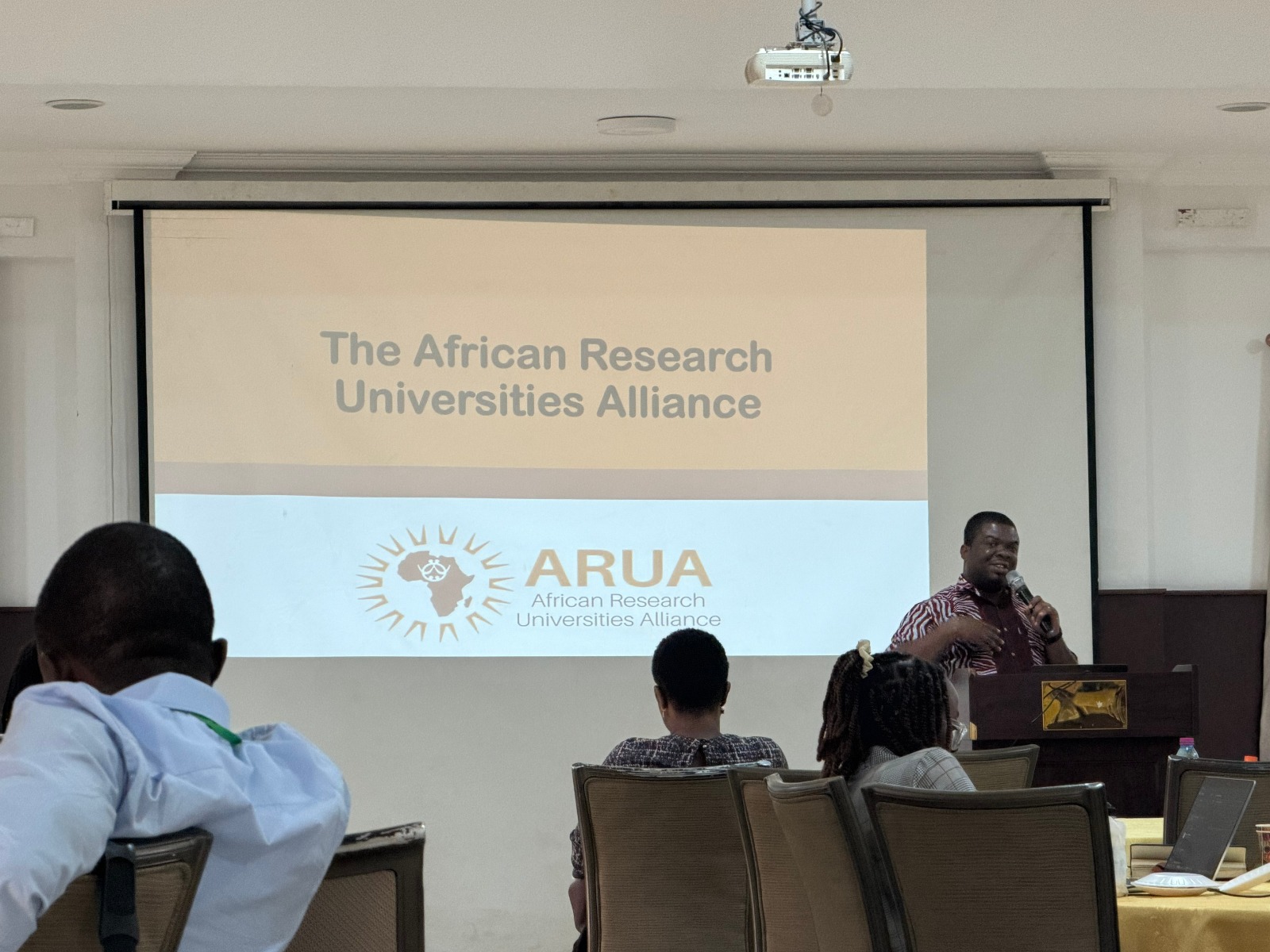
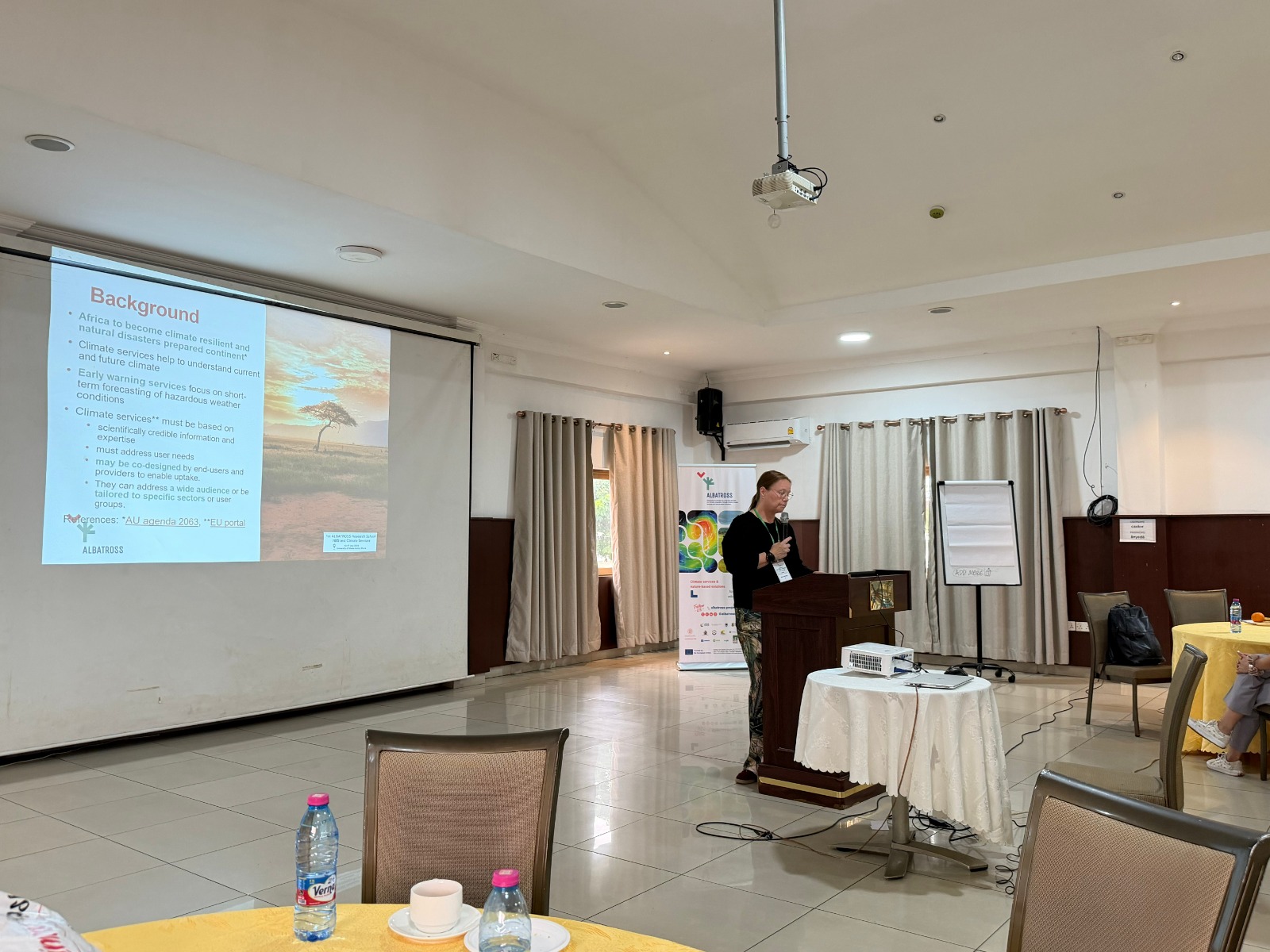
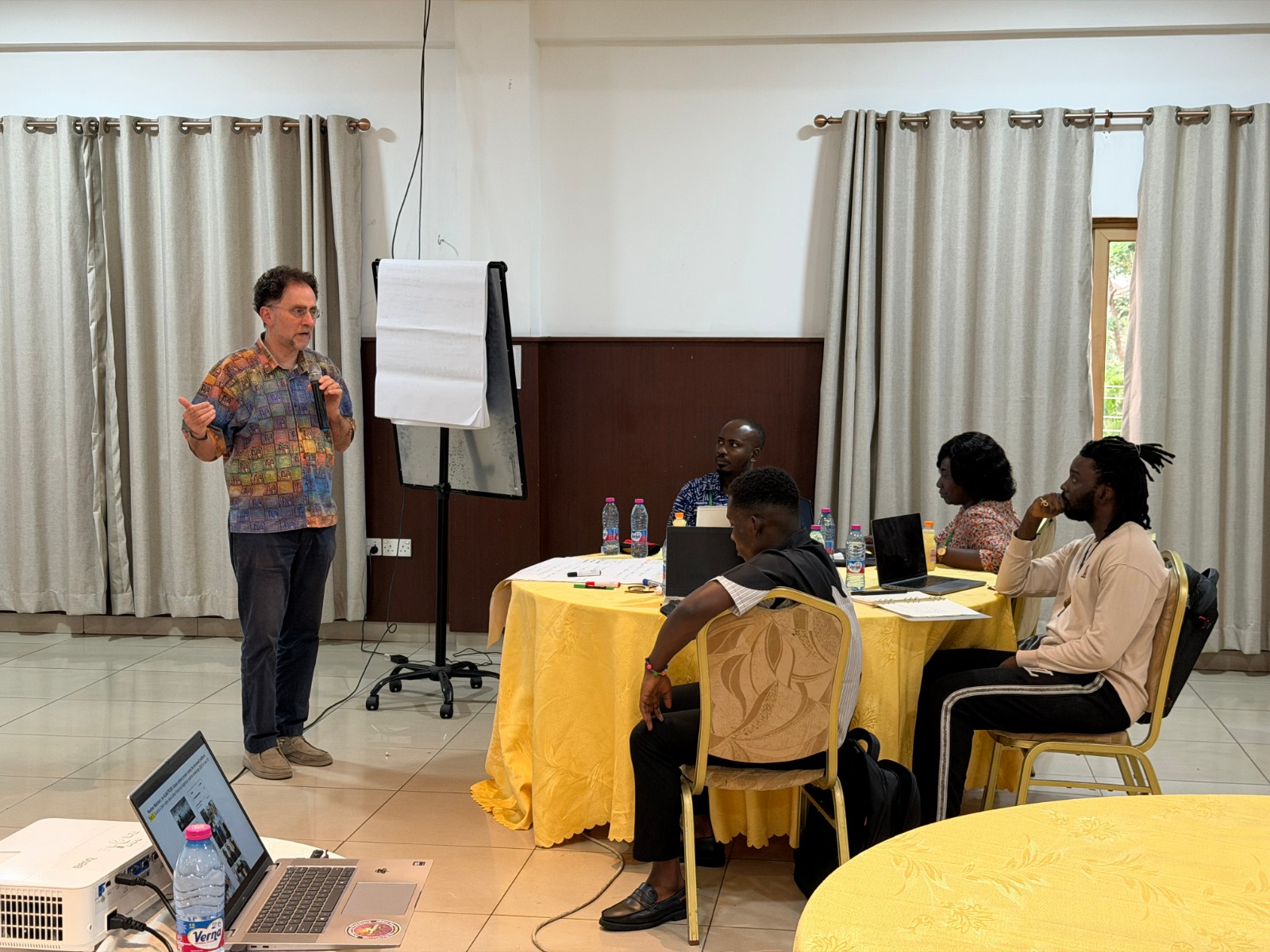
The first two days were devoted to receiving lectures from top-level scientists on their fields. After an introduction to the ALBATROSS project by the coordinator Laura Leo (UNIBO), disaster risk reduction was the main topic on the first day, with Christopher Gordon (University of Ghana) providing ecosystem-based approaches, Irina Pavlova (UNESCO) explaining policy landscapes for this, and Stefan Greiving (TUDO) linking disaster risks, climate change and spatial planning. The second day featured nature-based solutions (NBS), with the delivery of some fundamentals on them by Silvana di Sabatino (UNIBO), the benefits of incorporating climate services into NBS explained by Paolo Ruggieri (UNIBO), and pathways for climate-resilient nature-based solutions offered by Cherie Forbes (UCT). Two additional lectures presented the students the African Research Universities Alliance (by Emmanuel N. Abbey, from the University of Ghana and a member of ARUA), and methods to assess impacts and thresholds of hazardous weather (by Anne Hirsikko, from FMI).
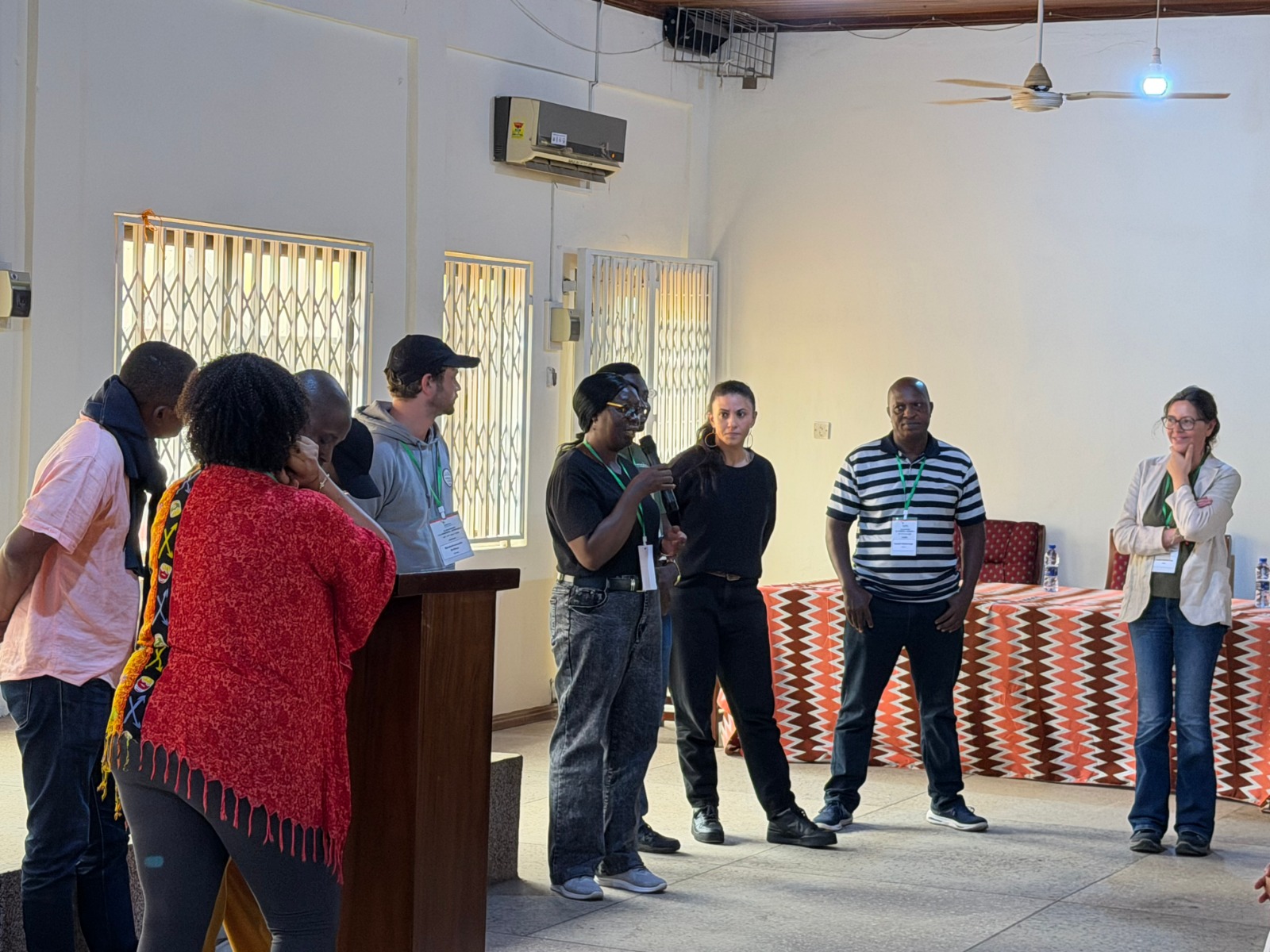
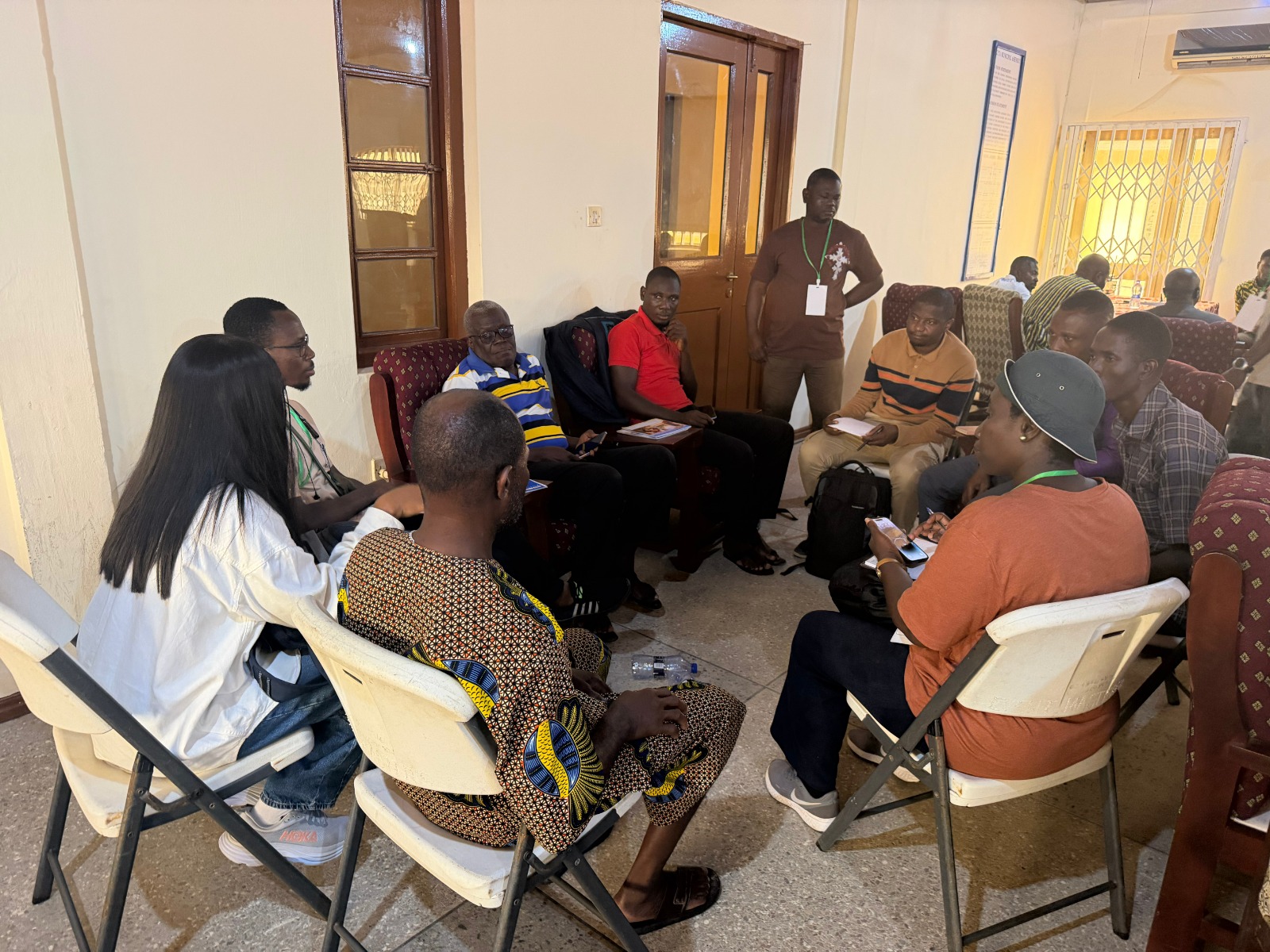
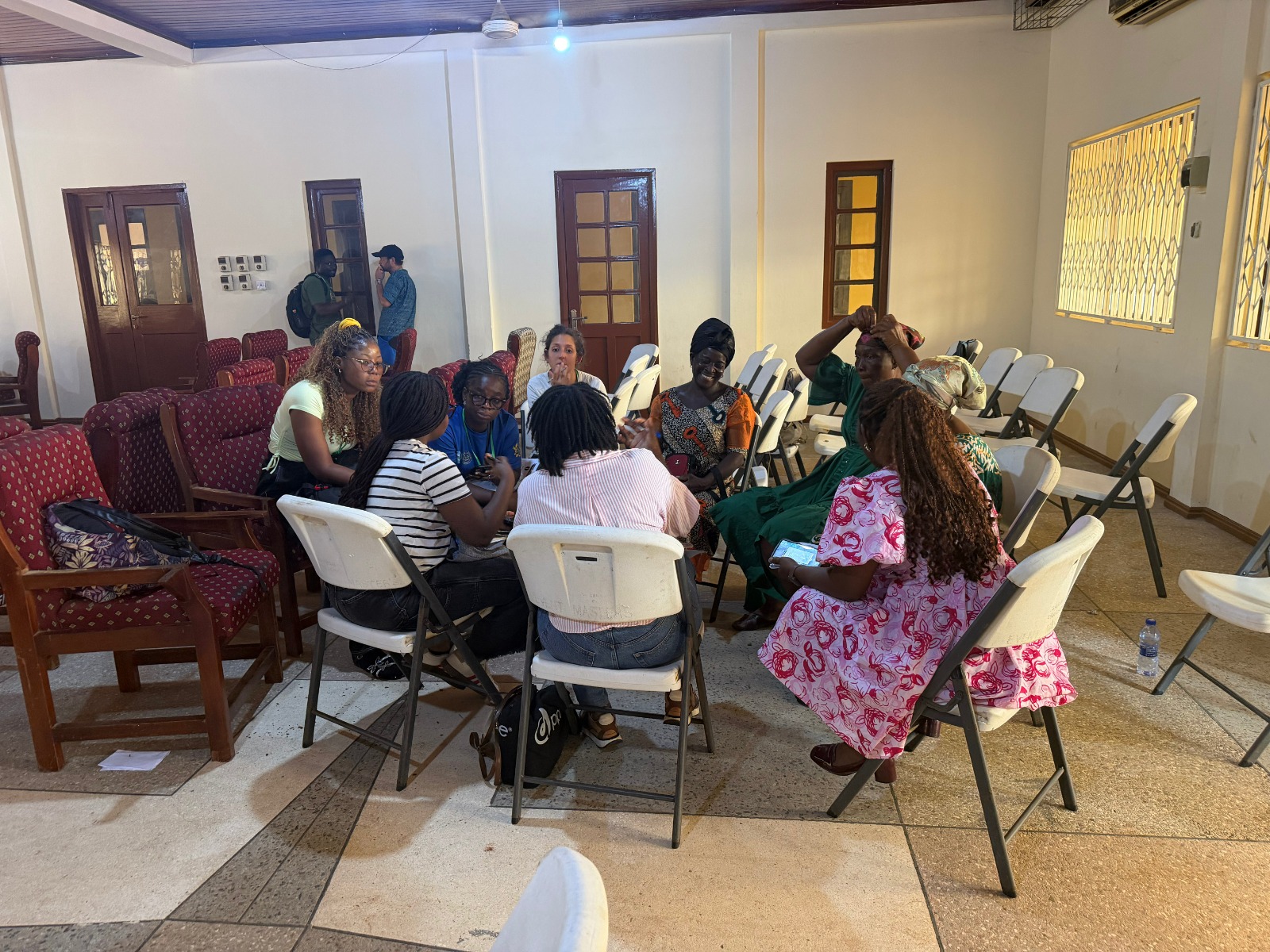
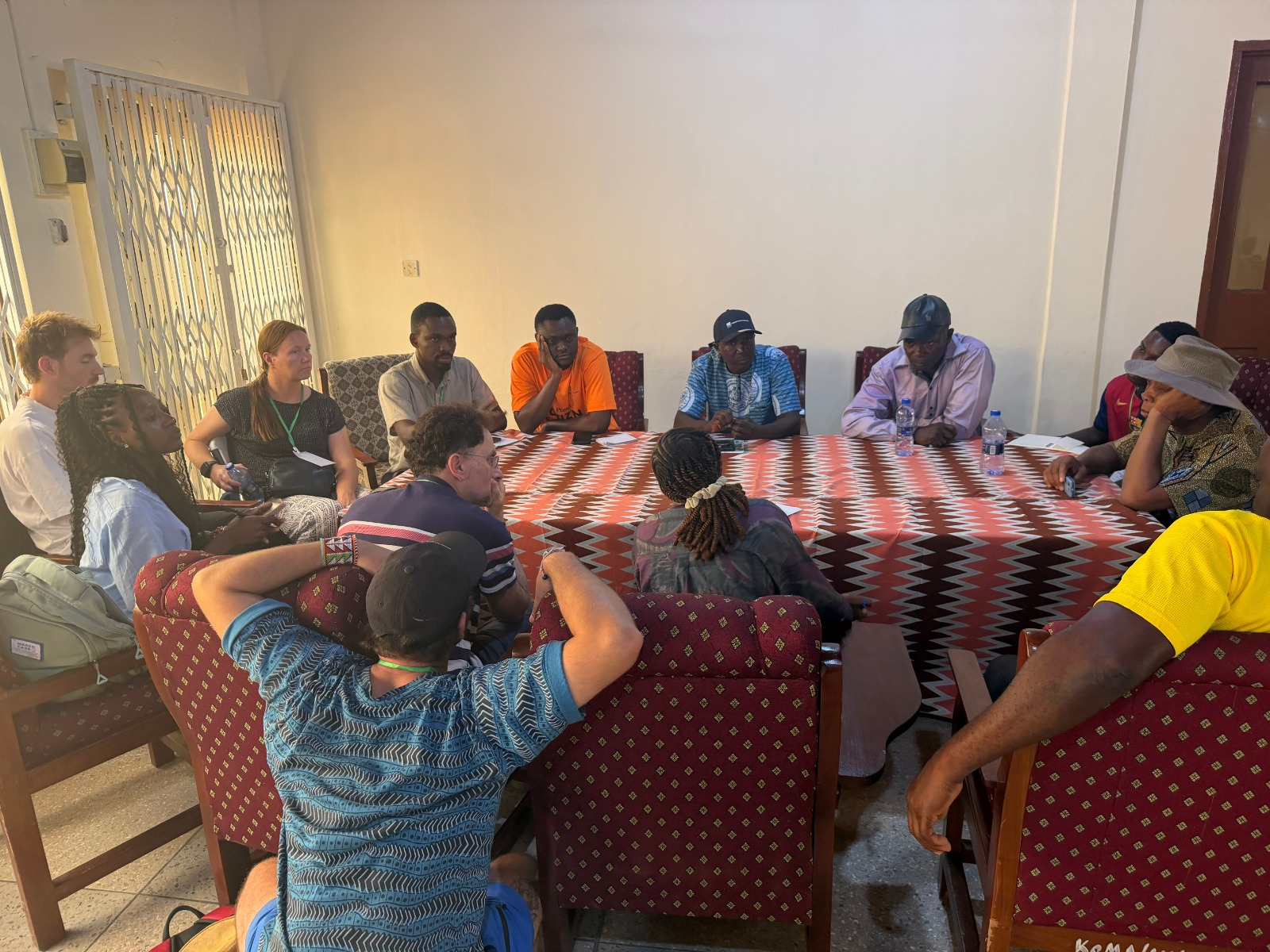
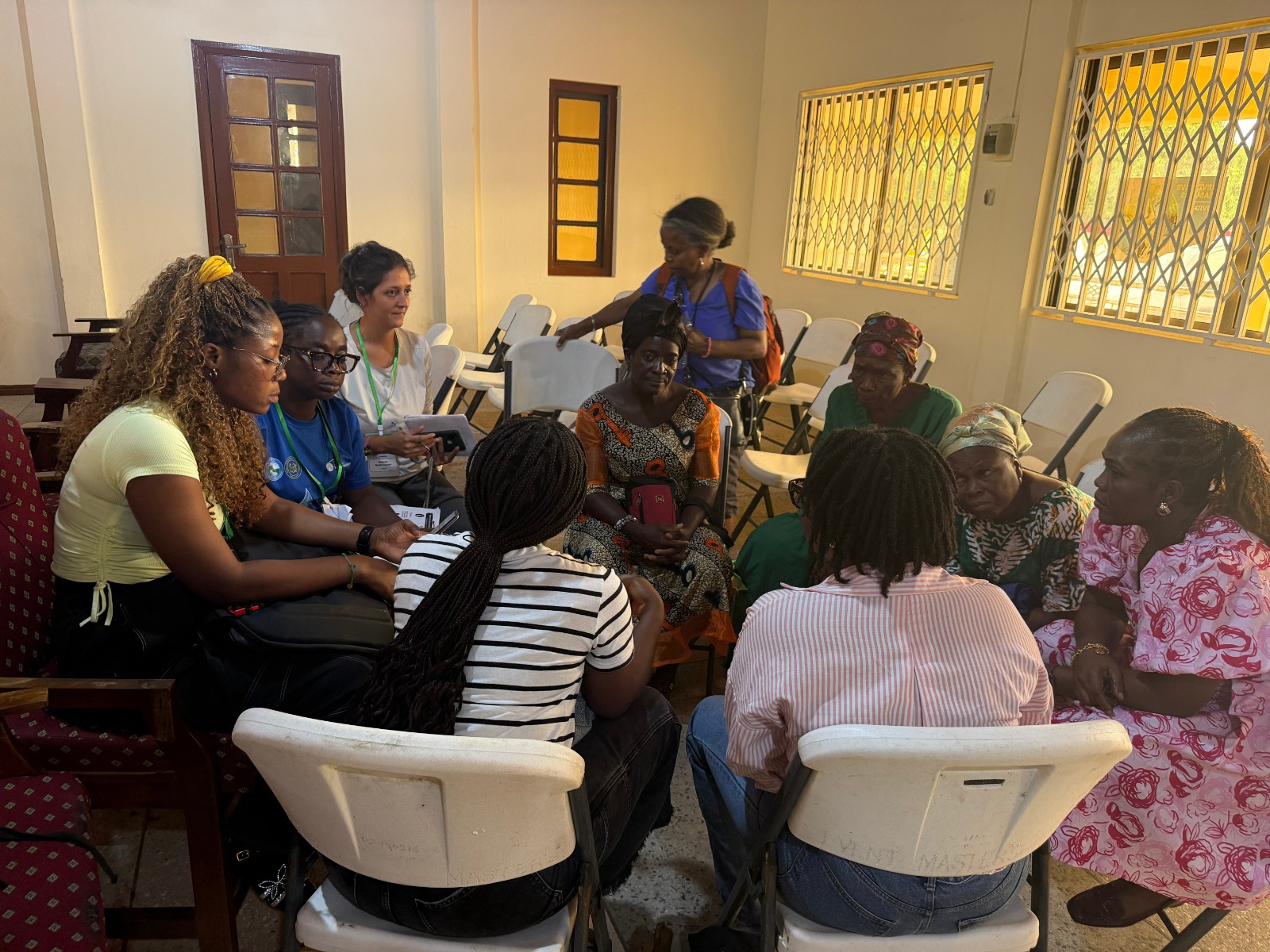
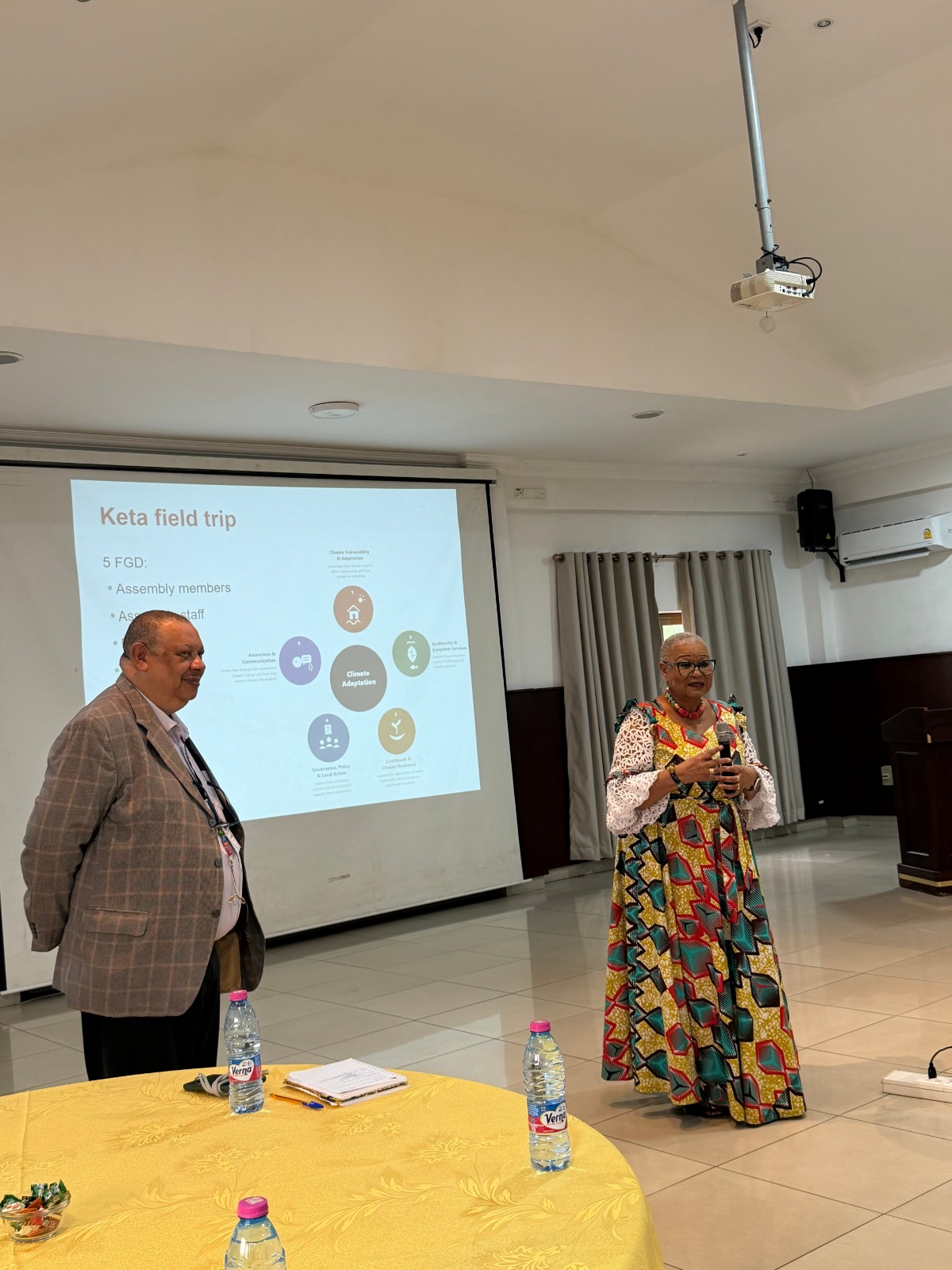
The students participated in the field visit to Keta, where they had the assignment of conducting discussions with local stakeholders, following a set of guiding questions with groups of stakeholders divided into five categories: women, fishermen, farmers, assembly members (including decision-makers and community leaders), and assembly staff.
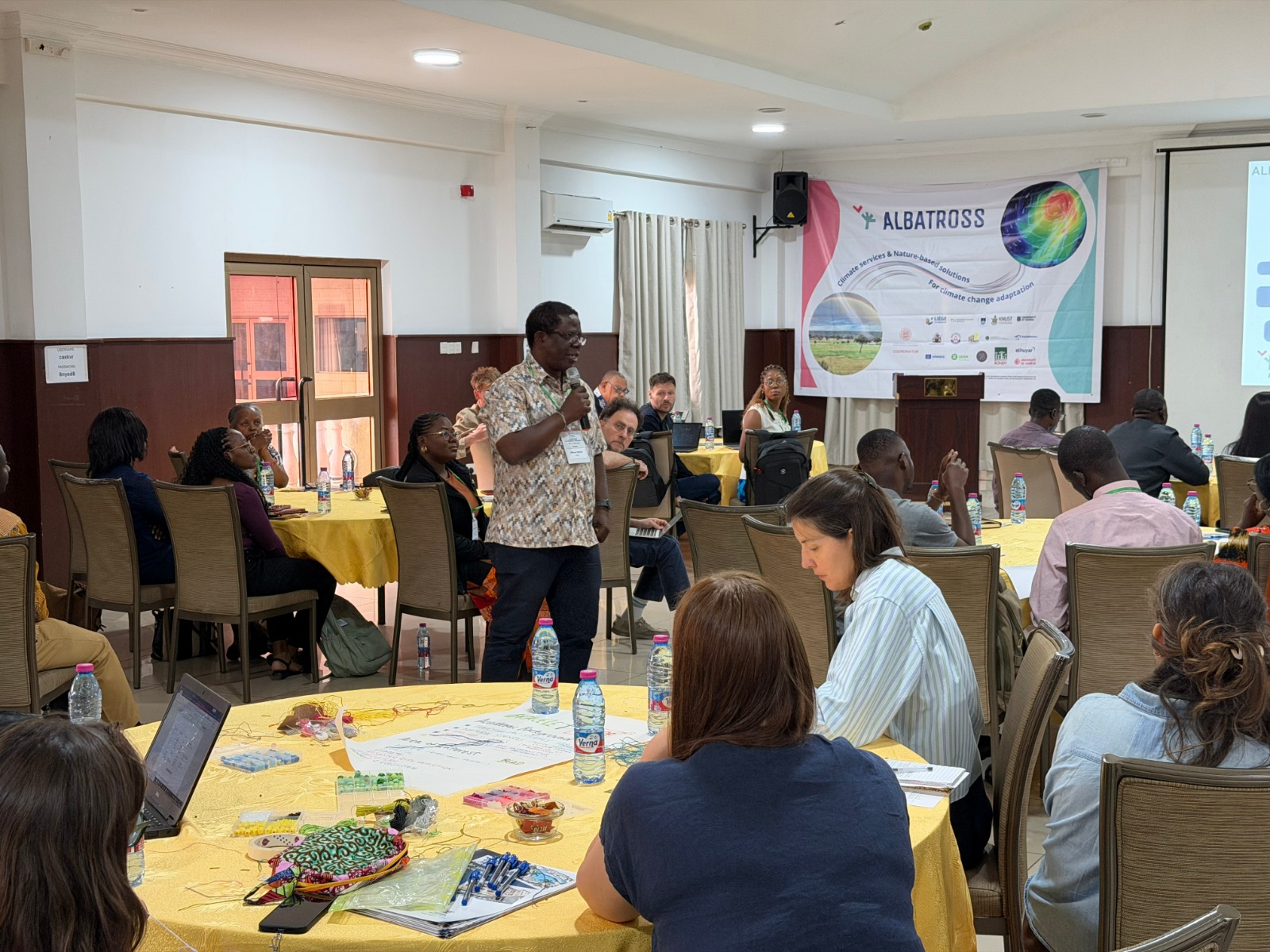
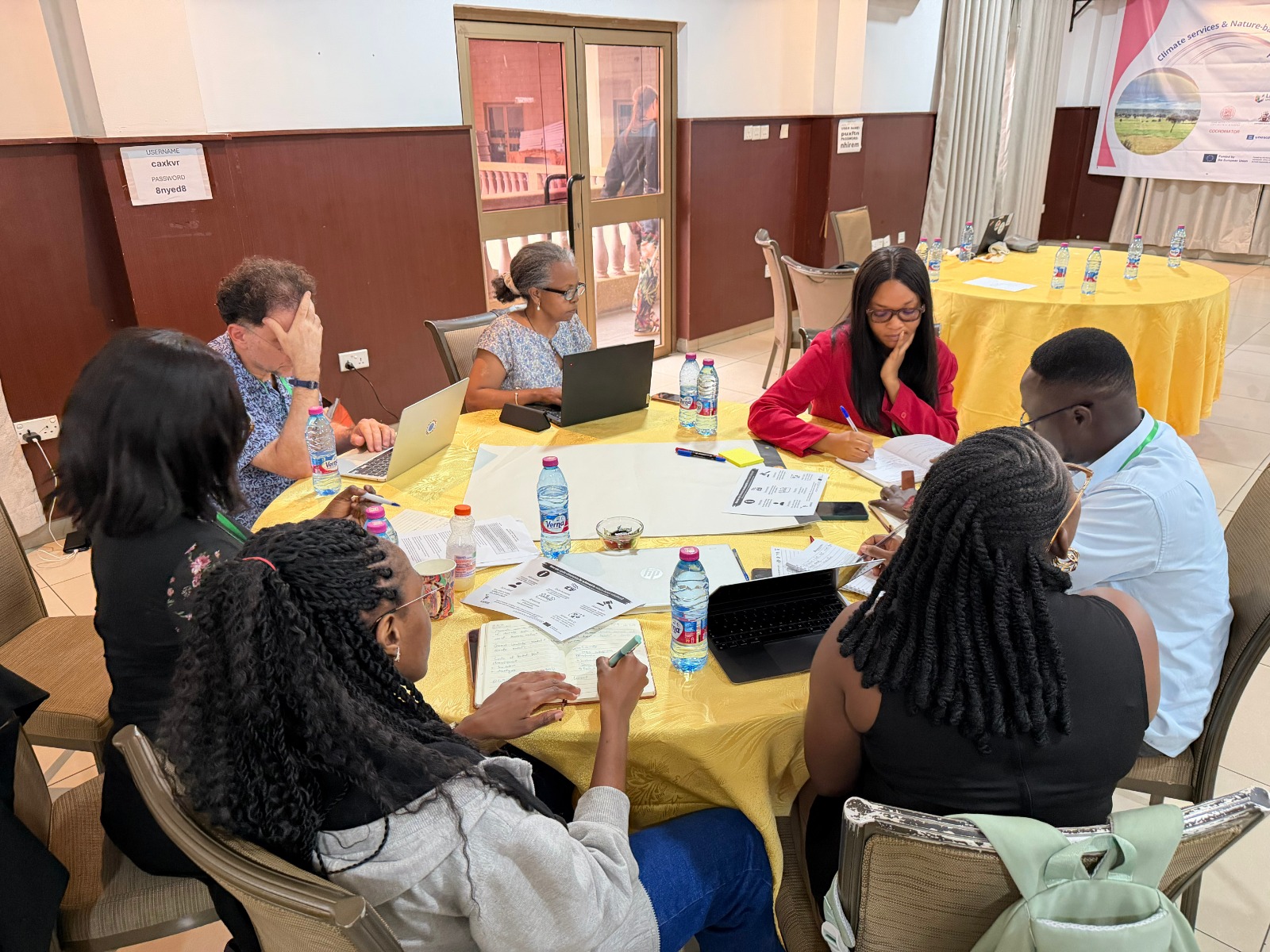
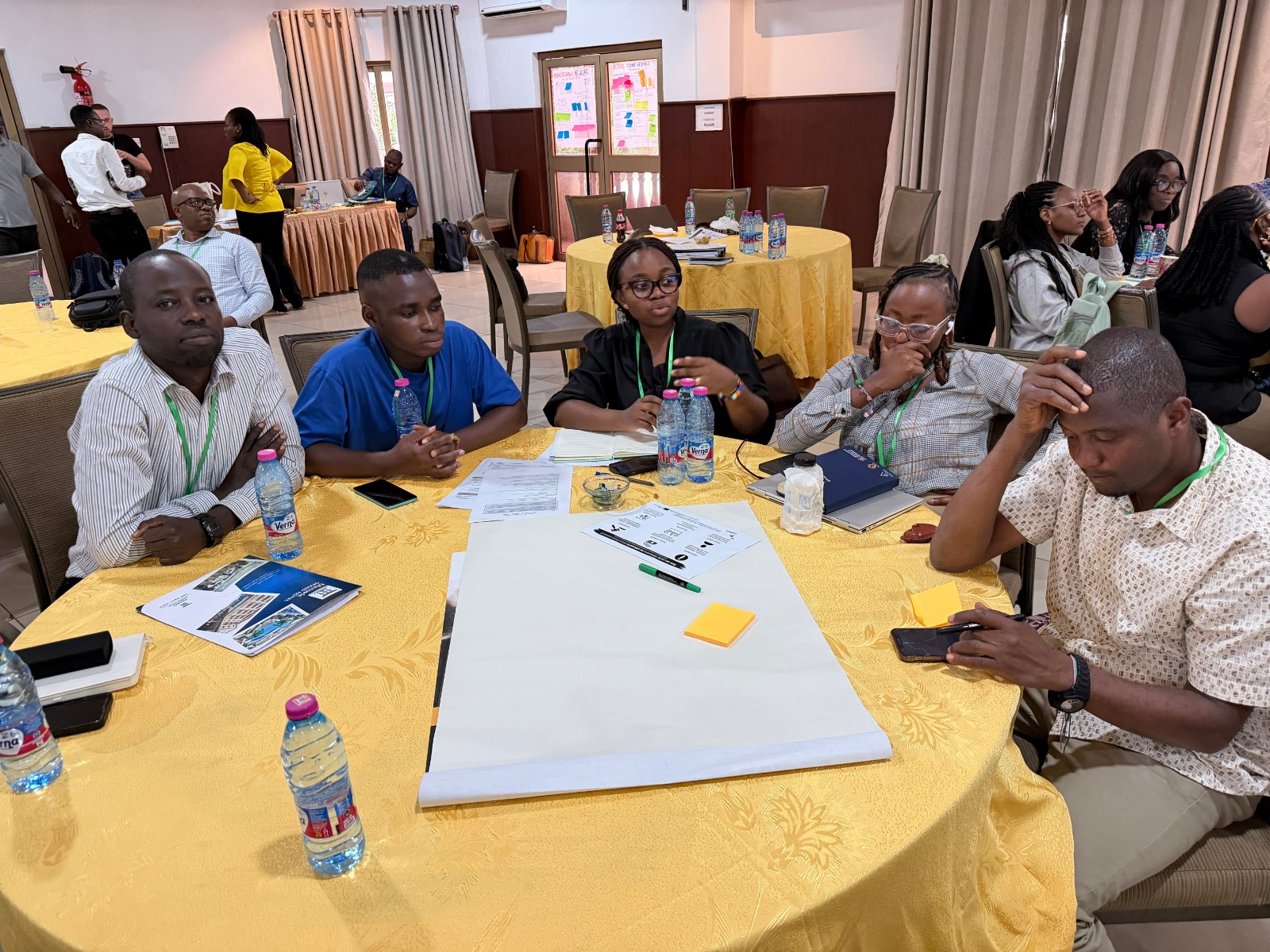
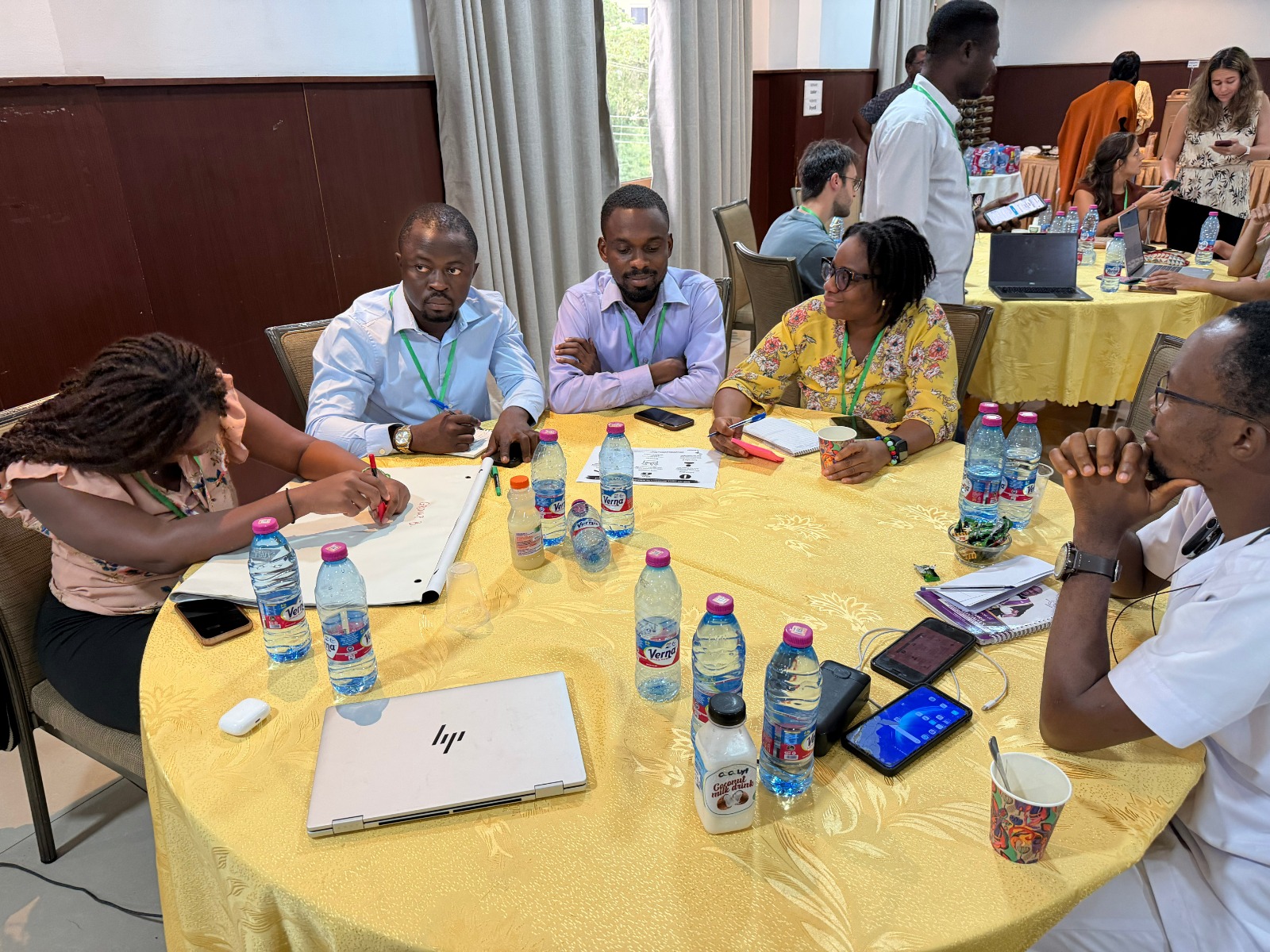
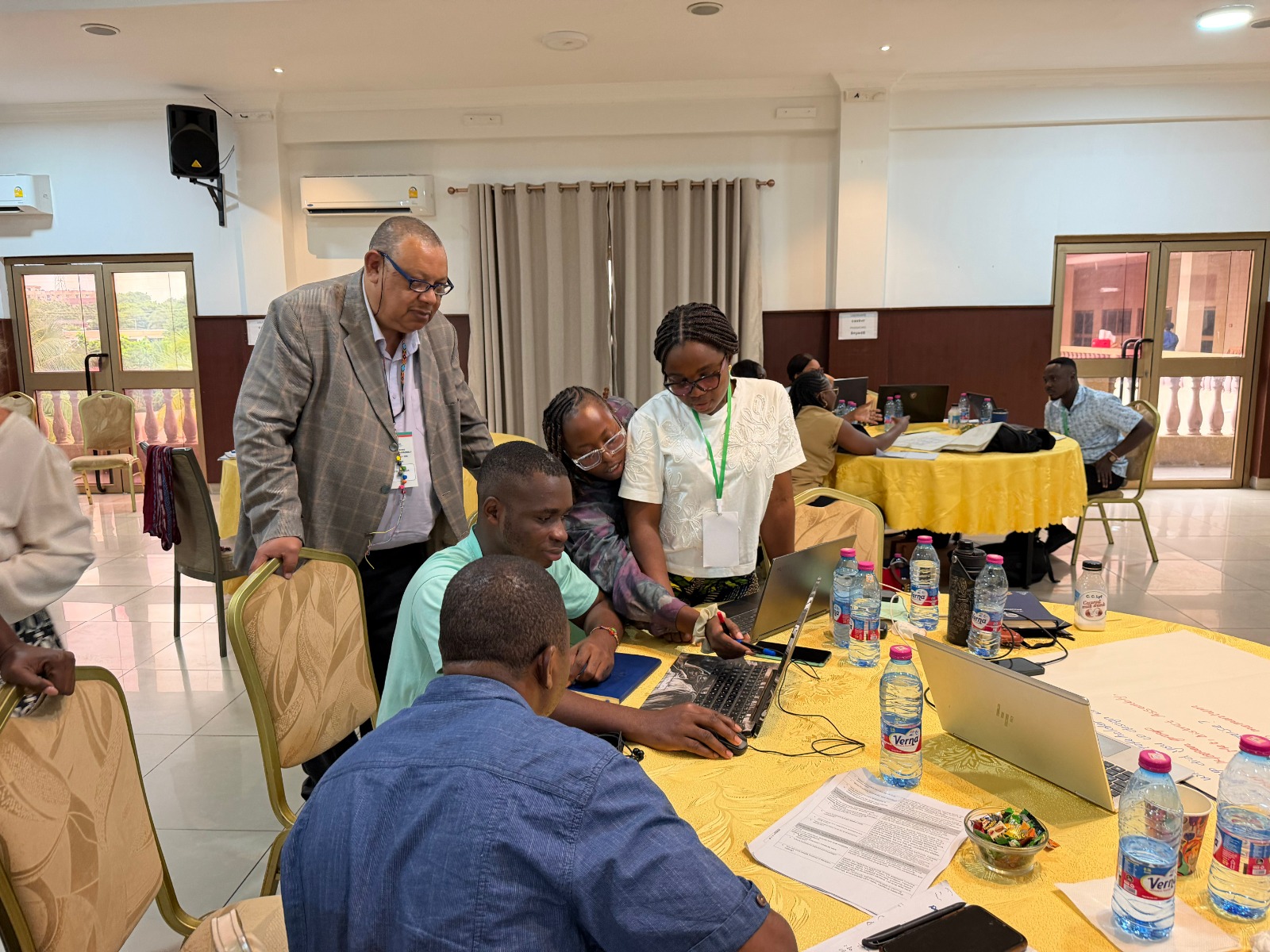
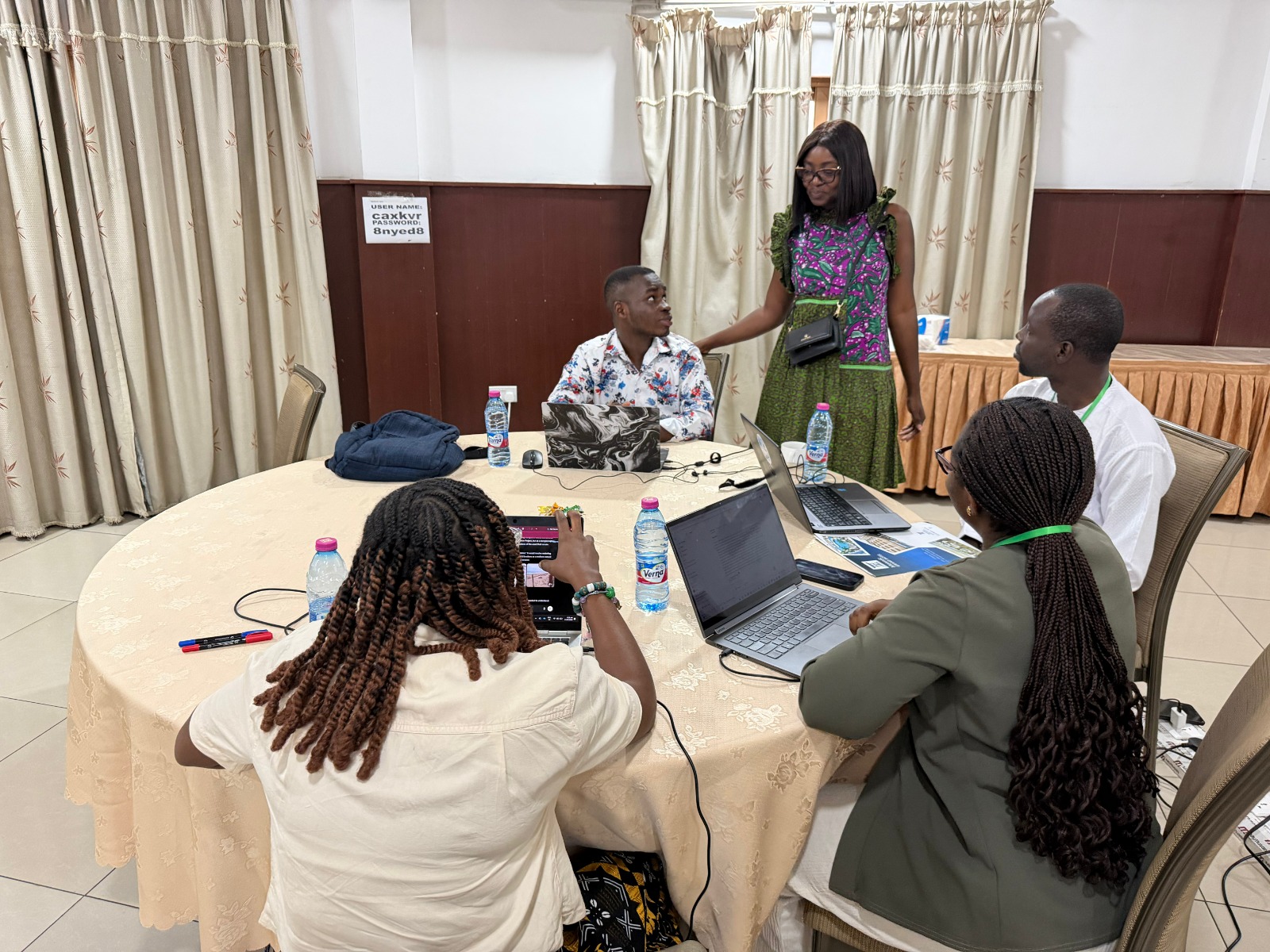
With all the knowledge and experiences acquired, the students were divided into four groups and had two days for group work, led by tutors assigned from the ALBATROSS consortium, to design a project related to a nature-based solution integrating climate services. They presented their project to a jury, who evaluated them and selected the best proposal. The winner was the group Keta Integrated Community Climate Information Systems (ICCIS), composed of Adwoa Asuming, Valeria Kplorm Nutakor, Godwin King-Nyamador, Dorren Lartey, and Patricia Granaham.
Congratulations to the winners! They will be participating in the next regional SDG Olympiad in Nairobi in 21-24 August, so they will have the chance to continue advancing this project.
Watch the video summary of the first ALBATROSS Research School and a photo gallery of the best moments below.